Durable Goods Orders Surge 9.2% in March, Driven by Commercial Aircraft Boom
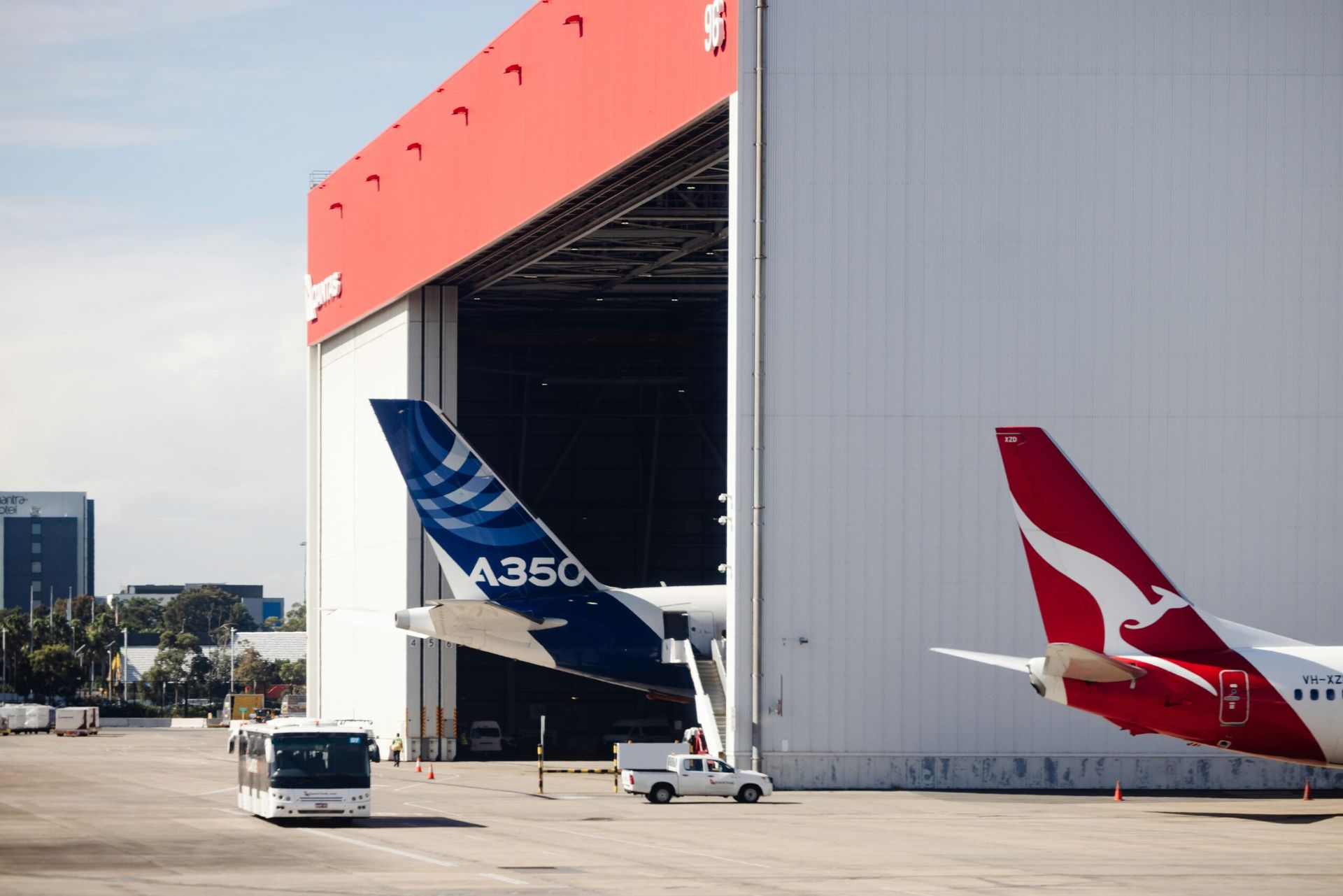
The U.S. economy saw a sharp rise in durable goods orders in March 2025, with new orders increasing by 9.2% compared to February, according to data released by the Commerce Department. This marked the largest monthly gain in over a year and was primarily fueled by an extraordinary surge in commercial aircraft bookings. Boeing led the charge in the aerospace sector, securing 192 new orders in March, a dramatic increase from just 13 orders the previous month.
While the headline figure was impressive, the underlying data painted a more nuanced picture. Excluding the often-volatile transportation category, core capital goods orders—an important measure of business investment that excludes aircraft and defense—rose by a modest 0.1%. This slight increase indicates that broader business spending remains subdued, despite strong gains in aerospace. Orders for machinery, computers, and electrical equipment were largely flat or showed marginal growth, reinforcing concerns about soft underlying capital expenditure.
Analysts attributed the spike in aircraft orders to several large contracts finalized at the start of the spring purchasing cycle, including a multi-billion-dollar deal between Boeing and a consortium of international carriers. However, they cautioned that such gains are unlikely to recur monthly and may not signal sustained momentum across the broader manufacturing sector.
The report also comes amid heightened uncertainty over trade policy. Business leaders and economists noted that persistent tariff threats, especially involving imported components and raw materials, are likely deterring companies from making substantial capital investments. Ongoing geopolitical tensions and supply chain frictions have further added to corporate hesitancy, limiting growth in critical areas of industrial production.
Financial markets responded cautiously to the report. Stocks in the aerospace and defense sectors saw modest gains, reflecting optimism over Boeing’s performance. However, broader market indices were little changed, as investors balanced excitement over the aircraft boom against the lackluster performance in other key segments of the economy. Bond yields remained steady, suggesting that the data did little to shift expectations about near-term Federal Reserve policy moves.
Economists emphasized that while the spike in durable goods orders is welcome news for the headline numbers, it does little to change the overall narrative of an economy facing mixed signals. With consumer confidence dipping, inflation expectations rising, and trade uncertainties mounting, sustained business investment will be critical to maintaining economic momentum through the second quarter and beyond.
In conclusion, the March report highlights the divergent trends within the U.S. manufacturing landscape—where outsized gains in one sector can obscure broader stagnation elsewhere. Policymakers and investors alike will be watching future reports closely to determine whether the uptick in headline durable goods orders marks the beginning of a broader investment cycle or simply reflects temporary distortions driven by the aerospace industry.
Biz Weekly Contributor
Covers finance, markets, and executive leadership, turning balance-sheet detail into plain business sense.
This article features partner, contributor, or branded content from a third party. Members of the Biz Weekly editorial staff were not involved in the creation of this content. All views and opinions are those of the contributor alone.