U.S. Corporate Investment in Automation and AI Software Continues Rising in 2026
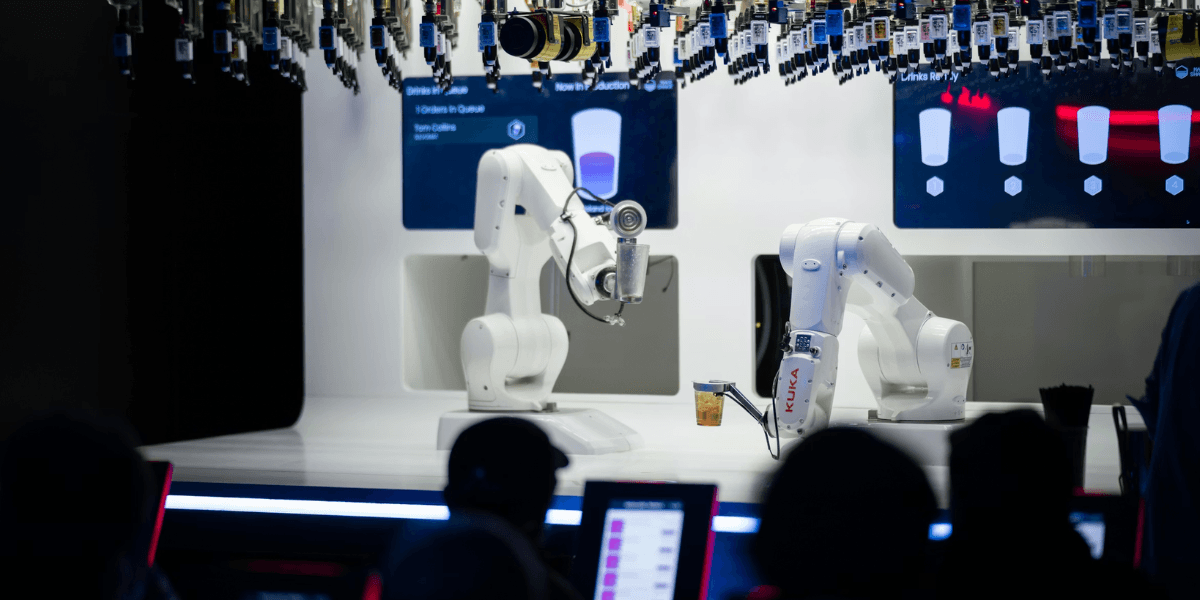
American businesses are accelerating investments in automation platforms and artificial intelligence software in 2026 as companies seek greater operational efficiency, productivity improvements, and long-term cost management. New industry reports released on May 11, 2026, show that enterprise spending on AI-driven business software and workflow automation tools remains one of the fastest-growing segments in the technology market.
The trend reflects how organizations across finance, healthcare, logistics, retail, and manufacturing are integrating AI technologies into everyday operations. Analysts say the current wave of investment marks a significant shift from early experimentation toward large-scale deployment of AI systems designed to improve decision-making, automate repetitive tasks, and enhance customer service operations.
According to recent forecasts from Gartner, worldwide information technology spending is expected to rise strongly throughout 2026, driven largely by enterprise demand for AI-enabled software, cloud infrastructure, and data management systems. Businesses are prioritizing investments that can streamline operations while helping employees work more efficiently.
Large corporations are expanding the use of AI-powered automation in areas such as customer support, cybersecurity monitoring, supply chain forecasting, and financial analysis. Many organizations are deploying intelligent software systems capable of processing large volumes of data and generating operational insights in real time.
Financial institutions have become some of the most active adopters of automation technologies. Banks and financial services companies are using AI systems to improve fraud detection, automate compliance procedures, and strengthen risk management operations. Analysts say the ability to process large datasets more efficiently is helping firms improve decision-making while reducing manual workloads.
Manufacturing companies are also increasing investment in AI-powered industrial automation. Businesses are deploying predictive maintenance systems, smart robotics, and supply chain optimization software to improve productivity and reduce operational disruptions. Industry researchers note that automation adoption has accelerated significantly as companies seek greater resilience following several years of supply chain volatility.
A recent report from McKinsey & Company estimated that generative AI and automation technologies could contribute trillions of dollars in annual economic value globally over the coming decade. The consulting firm noted that businesses adopting AI strategically are likely to gain competitive advantages in efficiency, innovation, and customer engagement.
Technology providers are responding by launching new enterprise AI platforms focused on workflow automation, analytics, and collaboration tools. Cloud computing companies continue expanding services designed to help businesses integrate AI capabilities without requiring large in-house infrastructure investments.
Industry experts say the growth of software-as-a-service platforms has made advanced automation tools more accessible to mid-sized businesses and startups. Smaller companies are increasingly adopting AI-powered applications for marketing, customer relationship management, financial forecasting, and operational planning.
At the same time, corporate leaders are paying closer attention to cybersecurity and data governance as AI adoption expands. Businesses are investing in stronger security infrastructure and employee training programs to reduce operational risks associated with increasingly connected digital systems.
Research from Deloitte indicates that executives remain highly optimistic about the long-term business impact of AI technologies. Many organizations now view automation and intelligent software systems as essential components of future growth strategies rather than optional technology upgrades.
The rapid expansion of automation investment is also influencing workforce development strategies. Companies are increasing spending on employee training programs focused on digital literacy, data analytics, and AI system management. Analysts say organizations are recognizing that successful automation initiatives depend on both technology deployment and workforce adaptation.
Labor market experts note that while automation may reduce certain repetitive administrative tasks, it is also creating demand for new roles involving AI oversight, cybersecurity, software engineering, and data management. Businesses are increasingly seeking workers with technical and analytical skills capable of supporting digital transformation initiatives.
Investor interest in enterprise AI firms has remained strong throughout 2026. Publicly traded software providers, cloud infrastructure companies, and cybersecurity firms connected to automation growth have continued attracting attention from institutional investors. Market analysts describe enterprise AI as one of the most closely watched sectors in the broader technology industry.
Economic researchers believe the continued adoption of automation technologies could support long-term productivity gains across the U.S. economy. Improved operational efficiency may help businesses manage rising costs while supporting innovation and expansion opportunities in competitive industries.
However, experts caution that companies must implement automation carefully to ensure operational reliability, regulatory compliance, and workforce readiness. Businesses that combine technological investment with effective leadership and employee training are expected to be better positioned for sustainable growth.
For business professionals and investors, the latest developments demonstrate how AI and automation are reshaping modern corporate strategy. As enterprise technology spending continues increasing, automation software and intelligent business systems are expected to remain central drivers of business innovation throughout 2026 and beyond.
Biz Weekly Contributor
Covers finance, markets, and executive leadership, turning balance-sheet detail into plain business sense.
This article features partner, contributor, or branded content from a third party. Members of the Biz Weekly editorial staff were not involved in the creation of this content. All views and opinions are those of the contributor alone.