Tesla Faces Headwinds as Revenue Declines Continue
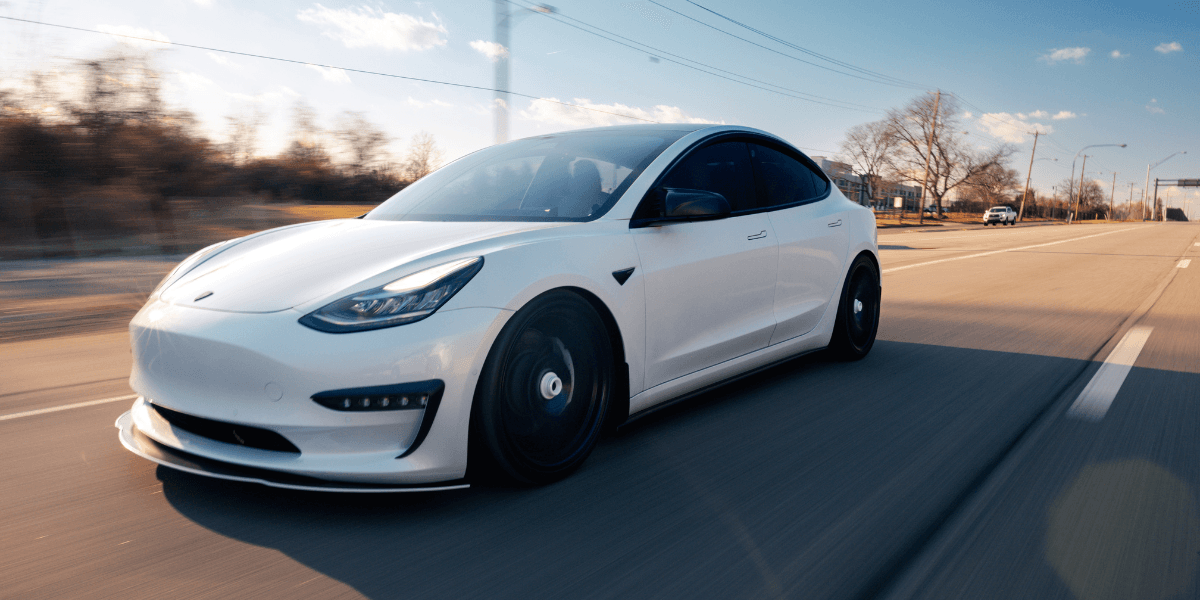
Tesla Struggles Amid Expiring EV Credits
On July 24, 2025, Tesla revealed a 16% decline in net income for the second quarter of the year. The drop in profits is attributed primarily to declining automotive sales and the expiration of electric vehicle (EV) tax credits, which had been a key driver of consumer demand in recent years. CEO Elon Musk acknowledged in the company’s earnings call that Tesla would likely face “rough quarters” ahead, warning investors that the reduction in subsidies could continue to impact the company’s bottom line.
This marks Tesla’s second consecutive quarterly decline, with analysts noting that the company’s aggressive pricing strategies and cost-cutting measures may not be enough to offset these challenges. In a year when EV sales were expected to see consistent growth, the expiration of government credits left Tesla vulnerable to competition from other EV manufacturers who have found ways to offer affordable alternatives.
Real also: Tesla Reports Record Q1 Earnings Amid Global Chip Shortage Recovery
A Mixed Outlook for Tech Giants
While Tesla faces mounting challenges, other companies like Alphabet (Google’s parent company) have managed to weather the storm. Alphabet reported a 14% year-over-year revenue increase, fueled by strong growth in its cloud business and advancements in artificial intelligence (AI). The company’s AI investments have been a crucial aspect of its strategy in 2025, positioning it well for future growth despite the overall tech sector’s volatile performance.
The contrasting fortunes of Tesla and Alphabet on the stock market are evident, with Tesla’s shares dropping after the announcement of its disappointing financial results. Conversely, Alphabet saw its shares climb more than 3%, reflecting investor confidence in its diversified business model.
Impact on the Market and the EV Industry
The mixed results from Tesla and Alphabet highlight a broader trend in the tech and EV sectors—companies that can pivot to integrate AI and other emerging technologies are better positioned to ride out financial storms. As consumer behavior continues to shift towards sustainability, many experts believe the future of EVs will require manufacturers to evolve beyond just offering vehicles, integrating smart tech solutions into their products and services.
For now, Tesla’s struggle with declining sales and expiring EV credits serves as a cautionary tale for businesses relying heavily on government subsidies to fuel growth.
Read also: Earnings Reports and Economic Indicators Drive Surge in Market Volatility
Biz Weekly Contributor
Covers finance, markets, and executive leadership, turning balance-sheet detail into plain business sense.
This article features partner, contributor, or branded content from a third party. Members of the Biz Weekly editorial staff were not involved in the creation of this content. All views and opinions are those of the contributor alone.