Labor Day Brings Calm to Wall Street as Experts Highlight the Importance of Rest and Balance
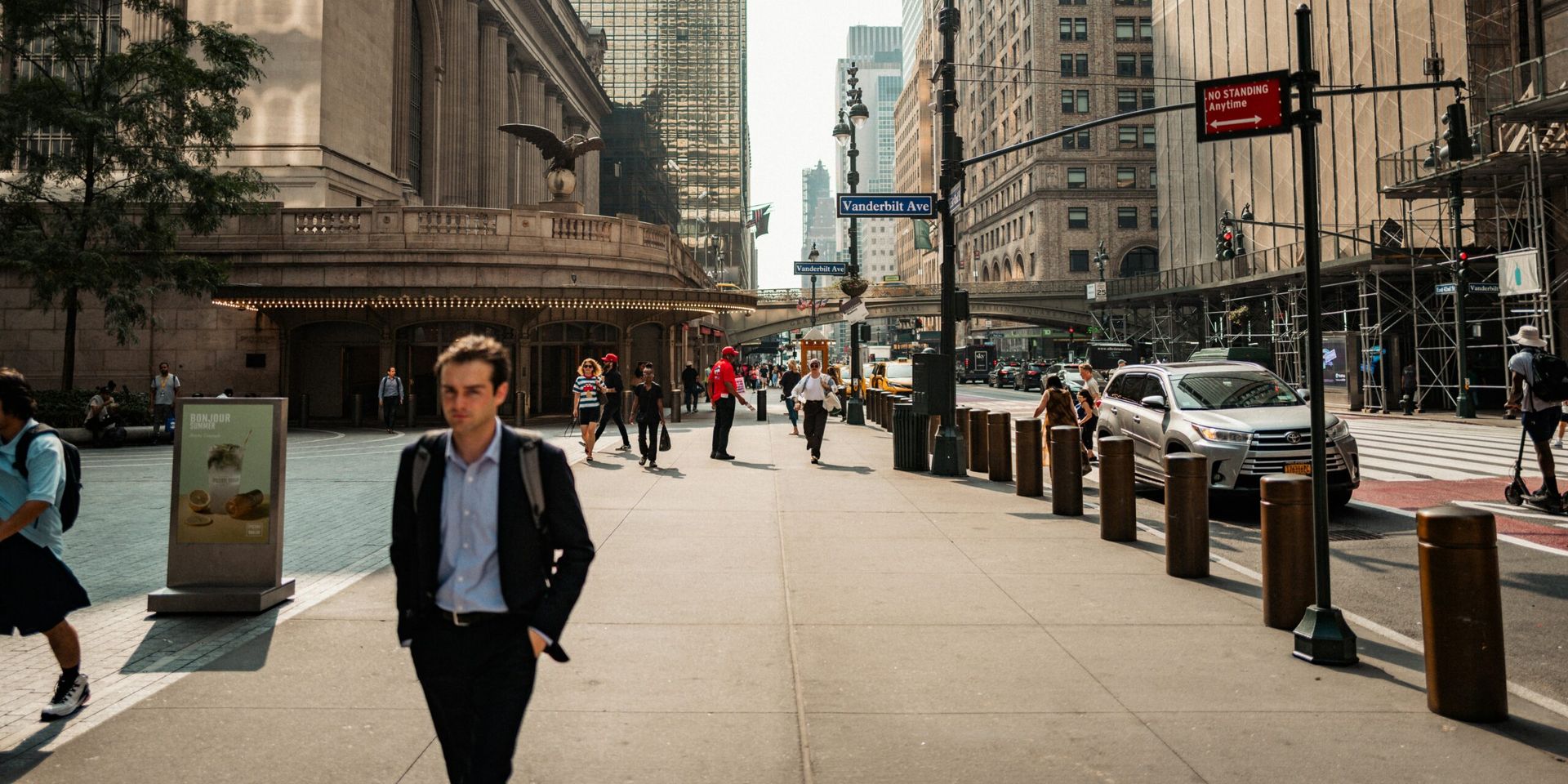
On September 1, 2025, Americans across the country observed Labor Day, a holiday that has come to represent both a celebration of the nation’s workforce and a symbolic end to summer. In keeping with long-standing tradition, financial markets—including the New York Stock Exchange and NASDAQ—remained closed. Federal government offices, banks, and the U.S. Postal Service also suspended operations for the day. The closure of these institutions brought an unusual quiet to Wall Street, underscoring the holiday’s original intent of honoring the labor movement and providing workers with a much-needed pause from daily pressures.
While financial centers rested, retailers capitalized on the holiday by extending hours and offering seasonal promotions. Department stores, major chains, and e-commerce platforms reported steady sales, driven by Labor Day discounts on back-to-school supplies, home goods, and electronics. Grocery stores and pharmacies experienced brisk traffic as families stocked up for barbecues, travel, and gatherings marking the unofficial close of summer. Private delivery companies such as FedEx and UPS operated on reduced schedules, while some local businesses chose to remain closed altogether. The result was a mix of commercial activity and communal pause, reflecting Labor Day’s increasingly blended identity as both a shopping event and a time for rest.
For many Americans, the holiday weekend is an opportunity to reset before the busy months of autumn. Leadership consultants and workplace advisors emphasized that such breaks are more than symbolic—they are practical tools for improving performance and well-being. Studies show that periods of deliberate rest enhance decision-making, creativity, and problem-solving, while also reducing the risk of burnout. Experts point out that high-pressure industries, from finance to technology, often encourage relentless work schedules, yet those who take time to disconnect frequently return with greater clarity and focus.
The idea of work-life balance has been gaining momentum in corporate America, particularly since the pandemic reshaped office dynamics and expectations. Hybrid work models, flexible schedules, and mental health initiatives have become central topics in workplace culture, and holidays like Labor Day serve as reminders of the importance of maintaining boundaries. Business leaders who prioritize rest and encourage employees to do the same are increasingly seen as forward-thinking, fostering workplaces that are both productive and sustainable. As one management coach observed, “Rest is not wasted time—it is an investment in resilience and innovation.”
For employees outside of traditional corporate environments, the meaning of Labor Day can differ but is no less significant. Workers in healthcare, hospitality, and essential services often remain on duty during holidays, ensuring that daily life continues smoothly for millions of Americans. For them, balance may not come in the form of a long weekend but rather in the recognition of their critical contributions to society. Experts argue that expanding access to rest and fair scheduling for these workers remains an important challenge for policymakers and businesses alike.
Labor Day’s origins offer important context for its modern expression. Established in the late 19th century following a period of intense labor unrest and union advocacy, the holiday was intended to honor the economic and social contributions of American workers. Over time, its observance has evolved. While it continues to commemorate the dignity of labor, it has also become a marker of cultural traditions such as family cookouts, parades, and recreational travel. Today, it occupies a dual role: celebrating the achievements of the workforce while encouraging individuals to pause, reflect, and recharge.
The quiet that enveloped Wall Street on Labor Day carried symbolic weight. The stillness of trading floors and the suspension of financial operations highlighted the value of rest in a society often defined by constant activity. For many professionals, the pause reinforced the idea that productivity is not measured solely by hours worked but also by the ability to sustain focus and creativity over the long term. Lifestyle experts echoed this message, urging Americans to use long weekends not just for errands or consumption but as opportunities to prioritize health, reconnect with loved ones, and engage in restorative activities.
As businesses reopen and trading resumes, the lessons of Labor Day remain relevant. The holiday is a reminder that rest is not a break from success but a foundation for it. By taking time to recover, individuals and organizations alike are better positioned to face the demands of the months ahead. In a culture that often prizes relentless ambition, Labor Day stands as an important annual counterpoint—an acknowledgment that balance is not merely desirable but essential.
For millions of Americans, September 1 was not just another day off. It was a chance to celebrate the contributions of labor, enjoy moments with family and community, and reflect on the role of balance in building a healthier and more productive future. The combination of quiet streets, bustling stores, and gatherings around grills and picnic tables illustrated the holiday’s enduring relevance. As experts continue to emphasize, the value of Labor Day lies not only in the break it provides but in the mindset it encourages: that the rhythm of work and rest is what sustains both personal well-being and national progress.
Biz Weekly Contributor
Covers finance, markets, and executive leadership, turning balance-sheet detail into plain business sense.
This article features partner, contributor, or branded content from a third party. Members of the Biz Weekly editorial staff were not involved in the creation of this content. All views and opinions are those of the contributor alone.