Artificial intelligence investment continued to dominate the U.S. business landscape on May 9, 2026, as companies across finance, retail, healthcare, logistics, and manufacturing expanded spending on enterprise AI tools and digital infrastructure. Industry analysts say the trend reflects a broader transformation in how businesses are approaching productivity, automation, and long-term growth strategy.
Major technology providers reported increased demand this week for cloud-based AI services, enterprise software integration, and automation platforms. Corporate leaders are increasingly prioritizing AI-driven solutions to improve operational efficiency, streamline customer service, and enhance data analysis capabilities.
The latest developments come as businesses face rising pressure to modernize operations while remaining competitive in rapidly evolving markets. Many firms now view AI adoption as a necessary investment rather than an experimental initiative.
According to recent industry reports, enterprise AI spending in the United States has grown substantially over the past year, fueled by advancements in generative AI, predictive analytics, and workflow automation. Analysts from multiple research firms noted that organizations are accelerating deployment timelines to keep pace with competitors adopting similar technologies.
One of the most significant areas of growth has been cloud computing infrastructure. Technology companies continue expanding data center capacity to meet the increased computational requirements of AI applications. High-performance processors, networking systems, and advanced storage technologies remain in strong demand as businesses scale AI operations.
Executives from leading enterprise software providers stated that customers are increasingly requesting integrated AI features within existing business platforms. Rather than purchasing standalone tools, companies are seeking AI systems that work directly within accounting, customer management, cybersecurity, and logistics software environments.
The financial sector has emerged as one of the fastest adopters of AI-powered technologies. Banks and financial service firms are using AI tools to improve fraud detection, automate routine administrative tasks, analyze market data, and personalize customer support services. Industry experts say these systems are helping organizations reduce operational costs while improving service efficiency.
Retail companies are also increasing AI investments to enhance inventory management, demand forecasting, and customer engagement. Machine learning systems are being used to analyze purchasing trends and optimize supply chain operations, particularly as businesses adapt to shifting consumer behavior and global distribution challenges.
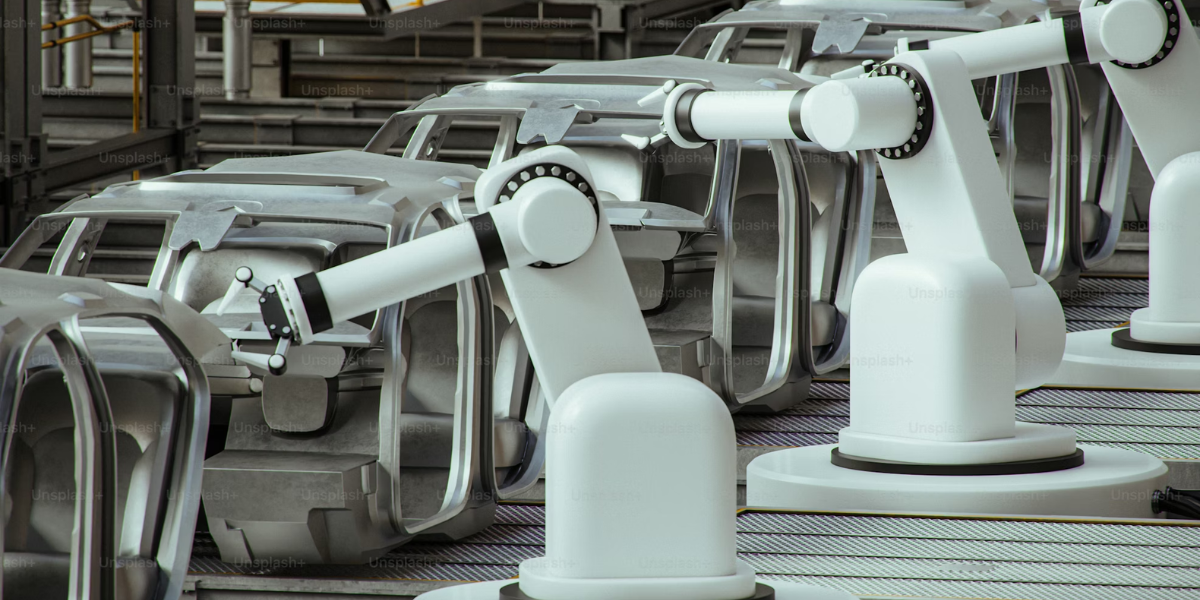
Meanwhile, manufacturers are expanding the use of AI-driven automation and predictive maintenance systems in production facilities. Analysts say these technologies are helping reduce downtime, improve quality control, and increase productivity in highly competitive industries.
The healthcare industry has also seen continued growth in administrative AI applications, particularly in scheduling, workflow optimization, and operational management. Companies remain cautious about regulatory compliance and data privacy requirements while pursuing efficiency improvements through technology adoption.
Beyond large corporations, startups and mid-sized businesses are increasingly entering the AI market. Venture capital firms continue funding software startups focused on automation, cybersecurity, enterprise analytics, and cloud-based business solutions. Industry observers say investor interest remains strong in companies developing practical AI applications for commercial use.
Technology workforce development has become another major focus area. As demand for AI-related expertise rises, companies are increasing recruitment efforts for software engineers, cybersecurity specialists, data scientists, and cloud infrastructure professionals.
Several universities and workforce training organizations announced expanded certification programs this month aimed at preparing workers for AI-related roles. Business leaders say workforce readiness will be essential to sustaining long-term industry growth.
Cybersecurity also remains a top concern as businesses expand AI capabilities. Experts warn that organizations adopting AI systems must strengthen security infrastructure to protect sensitive business and customer data. Companies are investing heavily in cybersecurity monitoring tools, encryption technologies, and employee training programs to address emerging digital threats.
Market analysts note that AI-related spending has become a major driver of growth across the broader technology sector. Semiconductor manufacturers, cloud service providers, enterprise software companies, and network infrastructure firms have all benefited from rising enterprise demand.
At the same time, economists caution that businesses must balance innovation with cost management and operational planning. While AI technologies can improve efficiency, implementation costs and infrastructure requirements remain significant for many organizations.
Industry experts expect enterprise AI adoption to continue expanding throughout 2026 as companies pursue digital transformation initiatives and automation strategies. Analysts also predict increased competition among software providers seeking to deliver scalable, cost-effective AI solutions for businesses of all sizes.
The continued acceleration of AI adoption reflects a larger shift in the American business environment, where technology investment increasingly shapes productivity, customer engagement, and operational strategy. For executives, entrepreneurs, and investors, the growing enterprise AI market represents one of the most closely watched sectors in today’s economy.