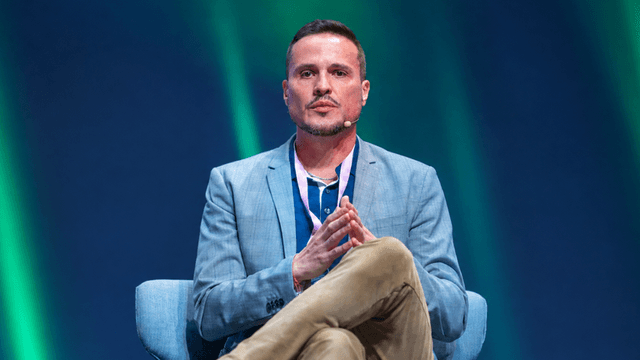
The Future of Work: How Leadership is Adapting to Automation

As automation and artificial intelligence (AI) continue to redefine industries, 2024 is witnessing a dramatic shift in the workplace. Leaders are now tasked with navigating an evolving landscape, integrating automation technologies into their operations while ensuring that their workforce remains engaged and valued. The question is no longer if automation will change the workplace, but how leaders will adapt to it and harness its potential.
The Rise of Automation in the Workplace
Automation is already transforming various industries, from retail and manufacturing to finance and healthcare. It has unlocked new efficiencies, reduced costs, and sped up decision-making. However, automation’s impact is now extending beyond simple, repetitive tasks. With AI becoming more advanced, leaders must adapt their management strategies to ensure that technology works alongside people, rather than replacing them.
Leadership Challenges in the Age of Automation
The integration of automation presents several leadership challenges. Leaders must address concerns about job displacement, maintain team morale, and ensure that employees feel supported in an era where machines are becoming increasingly capable.
- Addressing Employee Anxiety
One of the biggest hurdles is alleviating fears of job loss. While automation can improve productivity, many employees worry about being replaced. Leaders need to proactively manage these concerns by providing clear communication, offering retraining programs, and emphasizing how automation can enhance roles rather than eliminate them. - Balancing Efficiency with Human Connection
Automation can improve speed and precision in business processes, but it cannot replicate the creativity, emotional intelligence, and strategic thinking of humans. The best leaders will know how to use automation to handle repetitive tasks, freeing up employees to focus on innovation, customer service, and problem-solving. This shift requires leaders to rethink job roles and focus on building teams that can collaborate with technology, not compete against it.
Strategies for Successful Leadership in an Automated World
As businesses continue to embrace automation, leaders will need to evolve their leadership strategies. Below are some essential strategies for leading effectively in a world where technology and people work side-by-side.
1. Promoting a Culture of Continuous Learning
To adapt to automation, employees must stay agile. Leaders should invest in training and upskilling programs that allow their teams to stay ahead of technological changes. Creating a culture that encourages lifelong learning will help employees feel empowered and capable of adapting to new tools and systems.
2. Emphasizing Emotional Intelligence
While AI can handle data-driven tasks, it cannot match human empathy, intuition, and leadership. Successful leaders will need to rely on their emotional intelligence to motivate, support, and communicate with their teams. Those who can lead with empathy and an understanding of their employees’ needs will foster trust, loyalty, and innovation.
3. Redefining Leadership Roles
Automation is reshaping what it means to be a leader. In traditional models, leaders were decision-makers who directed their teams. However, in an automated world, leaders may take on roles more akin to facilitators or strategists, focusing on how to design systems that allow both technology and humans to thrive. Leaders must become adept at understanding both the capabilities and limitations of automation while guiding their teams through changes.
4. Building Trust Through Transparency
Effective leadership in an automated workplace requires clear, transparent communication. Leaders must keep their teams informed about how automation will impact the organization, the goals behind automation, and the benefits to employees. When employees feel involved in the process and understand the reasoning behind decisions, they are more likely to embrace change and see it as an opportunity rather than a threat.
Automation as a Tool for Innovation, Not Job Replacement
To navigate the future of work successfully, leaders must view automation as a tool to enhance human potential rather than a means to replace people. When leveraged effectively, automation can take over routine, time-consuming tasks, allowing employees to focus on more fulfilling, high-value work. By embracing automation, leaders can foster a more innovative and dynamic work environment.
Preparing for the Future: What Leaders Can Do Today
As automation becomes increasingly integral to the workplace, leaders must take steps to prepare their organizations for the future. Key actions leaders can take now include:
- Investing in the right technology: Staying ahead of the curve requires selecting and implementing the best technologies to streamline operations.
- Focusing on human-centered strategies: Leaders should prioritize strategies that complement their workforce, ensuring that automation empowers rather than replaces employees.
- Encouraging career development: Leaders should offer ongoing learning opportunities to ensure that employees can evolve with technological advancements rather than fear them.
Conclusion: Leading Through Change
The future of work is already here, and leaders who can successfully manage the integration of automation into their workplaces will be positioned for long-term success. By focusing on transparent communication, emotional intelligence, and continuous learning, leaders can build an environment where technology and human creativity coexist to drive innovation and growth. In the automated world of tomorrow, leadership will not be about replacing people with machines but about using technology to unlock the full potential of the human workforce.
Biz Weekly Contributor
Covers finance, markets, and executive leadership, turning balance-sheet detail into plain business sense.
This article features partner, contributor, or branded content from a third party. Members of the Biz Weekly editorial staff were not involved in the creation of this content. All views and opinions are those of the contributor alone.