Reflecting on the First Anniversary of the Capitol Riot: A Nation Confronts Its Past
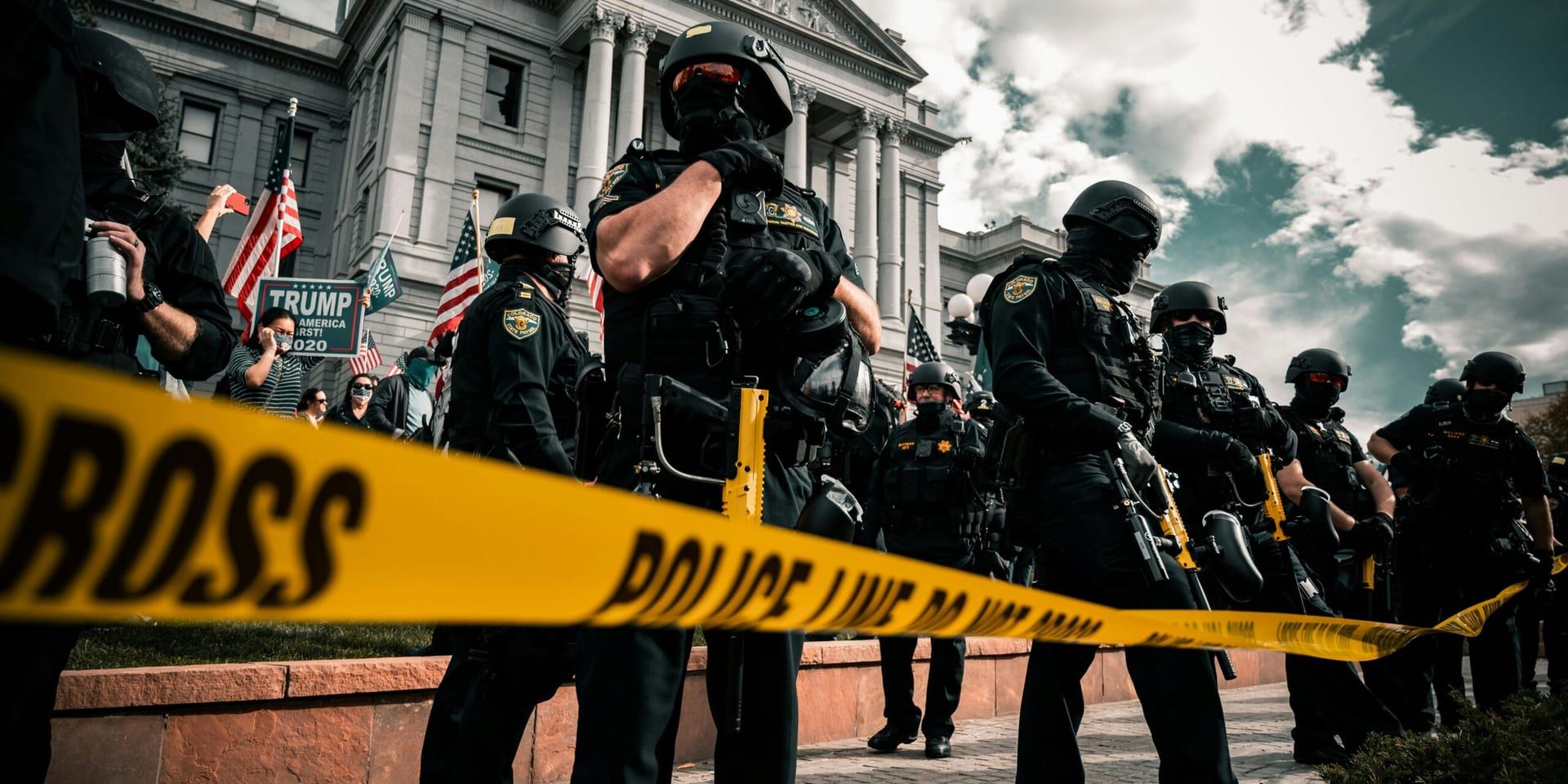
On January 6, 2022, the United States marked the first anniversary of the Capitol insurrection, a defining moment in the nation’s history. Exactly one year after a violent mob stormed the U.S. Capitol, Americans across the country paused to reflect on the gravity of the event, which had shaken the very foundation of the nation’s democracy. The day was marked by ceremonies, speeches, and continued investigations, all aimed at confronting the legacy of January 6, 2021, and ensuring accountability.
A National Moment of Reflection: January 6, 2022
The anniversary was more than just a solemn reminder of the Capitol attack; it was a day for the nation to reflect on its democratic principles and the events that threatened them. As part of the memorialization, President Joe Biden addressed the nation, condemning the violence and reasserting the importance of protecting democracy. His speech made it clear that the attack on the Capitol was an assault on the democratic process itself, as rioters sought to overturn the results of the 2020 presidential election.
In his address, President Biden said, “On this day, we reflect not only on the violence that took place but on the resilience of our democracy. The events of January 6th will not be forgotten, and our commitment to justice will not waver.” The President’s words were a reminder that, while the attack left deep scars, the nation’s commitment to democracy had not been broken. However, the fight for truth and accountability was far from over.
The Role of Lawmakers and Ceremonies
On January 6, 2022, various memorial services were held across the country, with leaders from both political parties taking part in ceremonies to honor the lives lost and recognize the courage of those who fought to protect the Capitol. Lawmakers observed a moment of silence in the Capitol building, where just a year earlier, they had been forced to flee as rioters breached the halls. For many, it was a day of reflection, not just on the violence itself, but on what it meant for the future of U.S. democracy.
While the anniversary was somber, it also reaffirmed the resilience of those who had worked to safeguard the nation. Capitol police officers and first responders, who had heroically protected the Capitol during the attack, were recognized for their bravery. Their actions were acknowledged as pivotal in preventing a complete collapse of the democratic process.
Continuing Investigation and Accountability
A major aspect of the first anniversary was the ongoing work of the House Select Committee, which had been investigating the insurrection since it occurred. The committee’s work was instrumental in piecing together the details of the planning and execution of the Capitol riot. One year later, the committee continued to release new subpoenas for witnesses, many of whom were linked to former President Donald Trump’s administration. These subpoenas were aimed at uncovering the full scope of the conspiracy and any potential involvement by key political figures.
The House Select Committee’s investigation had already uncovered significant evidence, with public hearings and testimonies shedding light on the events that led to the riot. As new subpoenas were issued, there was a clear sense of urgency in the effort to hold those responsible accountable. The committee’s work continued to highlight the need for justice, and it was expected that the investigation would play a crucial role in bringing clarity to what happened behind the scenes of January 6, 2021.
The Long-Term Impact on Democracy
The events of January 6, 2021, raised fundamental questions about the health of U.S. democracy. On its anniversary, Americans reflected not only on the violence that unfolded that day but also on the deepening political divisions and the rise of misinformation that had contributed to the insurrection. The attack underscored the vulnerability of democratic institutions and served as a warning about the fragility of the system.
Political polarization, disinformation, and distrust in the electoral process had created a dangerous environment where violence was seen by some as a legitimate response to a disputed election. On January 6, 2022, the anniversary marked a crucial point for the nation to confront these challenges head-on. The question lingered: How could the U.S. heal from the events of that day and rebuild trust in its institutions?
Across the country, conversations about democracy, justice, and accountability took center stage. Citizens, leaders, and activists grappled with how to prevent future attacks on the democratic system. The anniversary of the Capitol riot underscored that the fight to protect democracy was ongoing, and the work of healing the nation’s divisions was far from complete.
Moving Forward: A Nation in Search of Unity
As the anniversary drew to a close, the question on many minds was how the nation could move forward. The events of January 6, 2021, had exposed deep fractures in the political and social fabric of the United States. One year later, while there was a shared commitment to ensuring accountability, the path toward healing and unity remained uncertain.
For many, the anniversary was a moment to reflect on the importance of civic responsibility and the need for vigilance in protecting democratic values. As investigations continued and the nation reflected on the lessons learned from the Capitol riot, the ultimate hope was that the events of January 6 would serve as a powerful reminder of the resilience of democracy — and the ongoing work required to protect it for future generations.
Biz Weekly Contributor
Covers business, leadership, and entrepreneurship, highlighting emerging companies and the people behind them.
This article features partner, contributor, or branded content from a third party. Members of the Biz Weekly editorial staff were not involved in the creation of this content. All views and opinions are those of the contributor alone.