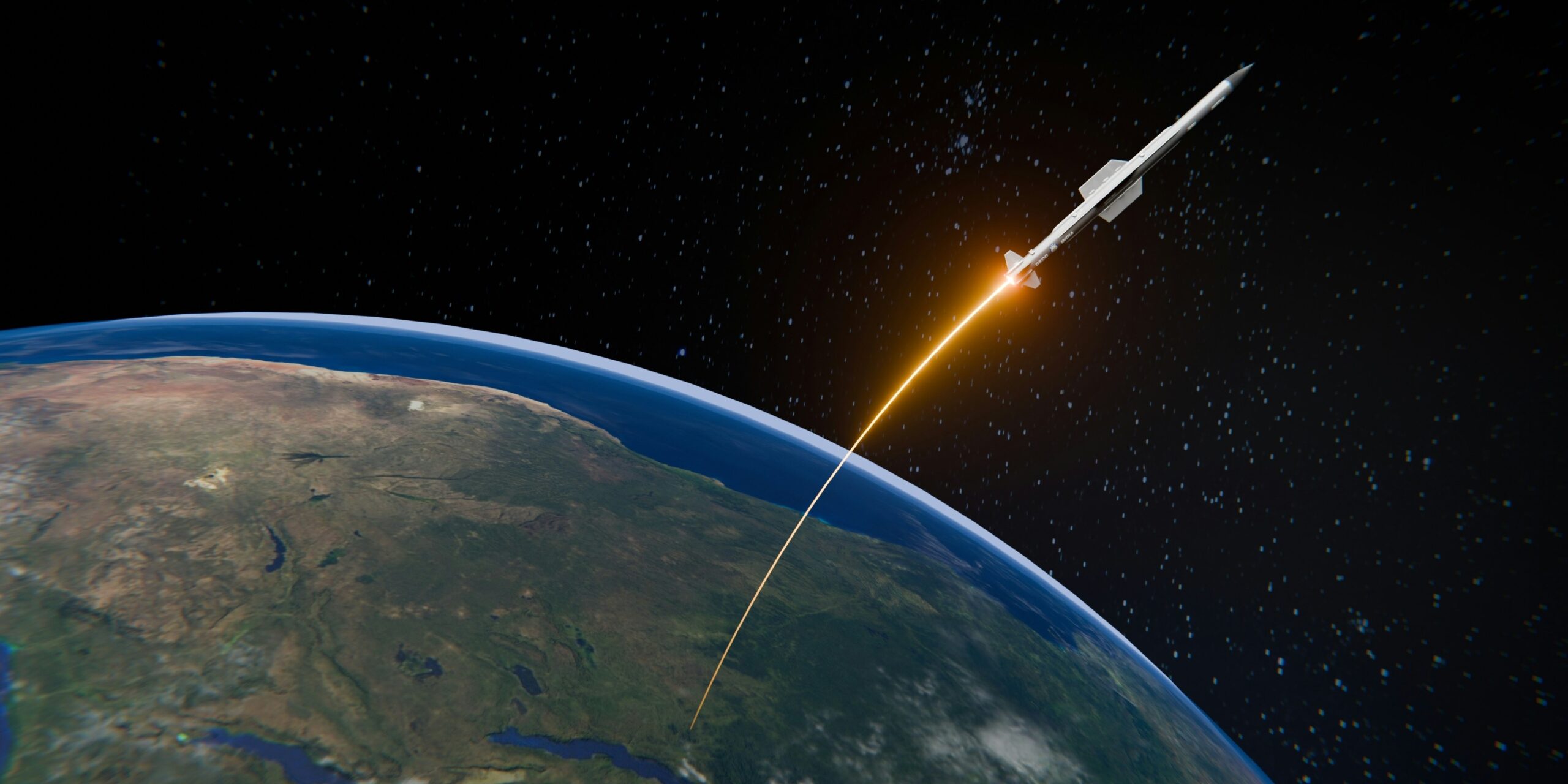
On July 20, 2022, NASA achieved a significant milestone in space exploration with the successful test launch of its Artemis I rocket. This unmanned test flight was a crucial step in NASA’s ambitious Artemis program, which aims to return humans to the Moon for the first time since the Apollo missions. The event, which took place nearly 50 years after Apollo 17, marked the beginning of a new chapter in the United States’ space exploration efforts.
The Artemis Program: A Bold Vision for the Future
The Artemis program, named after the Greek goddess of the Moon, symbolizes a new era of lunar exploration. Its overarching goal is to send astronauts back to the Moon, particularly to the lunar South Pole, where there is potential for abundant water ice—critical for sustaining long-term human missions. This mission will serve as the foundation for even more ambitious objectives, including the establishment of a permanent lunar base and the eventual journey to Mars.
The Artemis I mission was designed to test the Space Launch System (SLS) rocket, the most powerful launch vehicle NASA has ever built, along with the Orion spacecraft, which will carry astronauts to the Moon and beyond. The test flight was an essential step in ensuring that all systems were functioning correctly before embarking on crewed missions.
A Historic Milestone in Space Exploration
The Artemis I launch on July 20, 2022, was a highly anticipated event, marking not just a technical achievement but also an emotional milestone for NASA and space enthusiasts worldwide. As NASA Administrator Bill Nelson aptly put it: “This is the first step on a journey to the Moon and eventually Mars, but it’s also a symbolic return to deep space exploration for the U.S.”
This mission was designed to test the rocket and spacecraft in a real-world scenario, where they would be subjected to the conditions of deep space. This included testing the heat shield during re-entry, ensuring the spacecraft’s life support systems, and validating the overall performance of both the launch system and spacecraft.
The Key Objectives of Artemis I
The Artemis I mission had several key objectives:
- Space Launch System (SLS) Test: The SLS rocket is a crucial element of NASA’s plan to return humans to the Moon and eventually reach Mars. The test flight was designed to evaluate its performance in launching the Orion spacecraft into space.
- Orion Spacecraft Validation: Orion was designed for long-duration missions, capable of carrying humans farther into space than any vehicle before it. The test flight aimed to assess the spacecraft’s functionality and performance in deep space, including its heat shield and re-entry capabilities.
- Lunar Orbit and Return: One of the major goals of Artemis I was to send the Orion spacecraft into lunar orbit, where it would stay for several days before returning to Earth. This would provide NASA with valuable data on spacecraft systems during extended missions.
- Environmental Data Collection: NASA also used Artemis I to gather environmental data about the space around the Moon, helping to refine future mission planning.
The Road Ahead: Crewed Missions and Mars
While Artemis I was uncrewed, the next phase of the Artemis program will involve crewed missions. Artemis II, the first crewed flight, is scheduled to launch once all systems are thoroughly validated. This mission will involve astronauts orbiting the Moon before returning to Earth and is expected to take place in the coming years.
The ultimate goal of Artemis is not only to return humans to the lunar surface but to establish a sustainable presence on the Moon, which would serve as a stepping stone for Mars exploration. One of the more ambitious objectives is to land astronauts on Mars, a feat that will require advanced technologies and deep-space exploration capabilities.
The Artemis I test flight was more than just a test of technology—it was a statement of the United States’ commitment to space exploration. By pushing the boundaries of human spaceflight, Artemis will help ensure the country’s continued exploration and scientific advancements in space for decades to come.
Conclusion
NASA’s Artemis I mission on July 20, 2022, was a resounding success and a crucial milestone in the journey back to the Moon and beyond. This unmanned test flight set the stage for future crewed missions and the broader goals of returning to the lunar surface and eventually reaching Mars. As we look toward the future, the Artemis program stands as a symbol of human ingenuity, international collaboration, and the enduring desire to explore the unknown.
With Artemis paving the way for future deep space exploration, the return to the Moon is not just a dream—it’s a tangible goal, one that will likely inspire generations to come. The next few years will likely see exciting advancements, and NASA’s Artemis program will be central to humanity’s quest to explore new frontiers.