Leadership Reimagined: Emotional Intelligence and Sustainability Shape Gen-Z Wellness and Workplace Culture
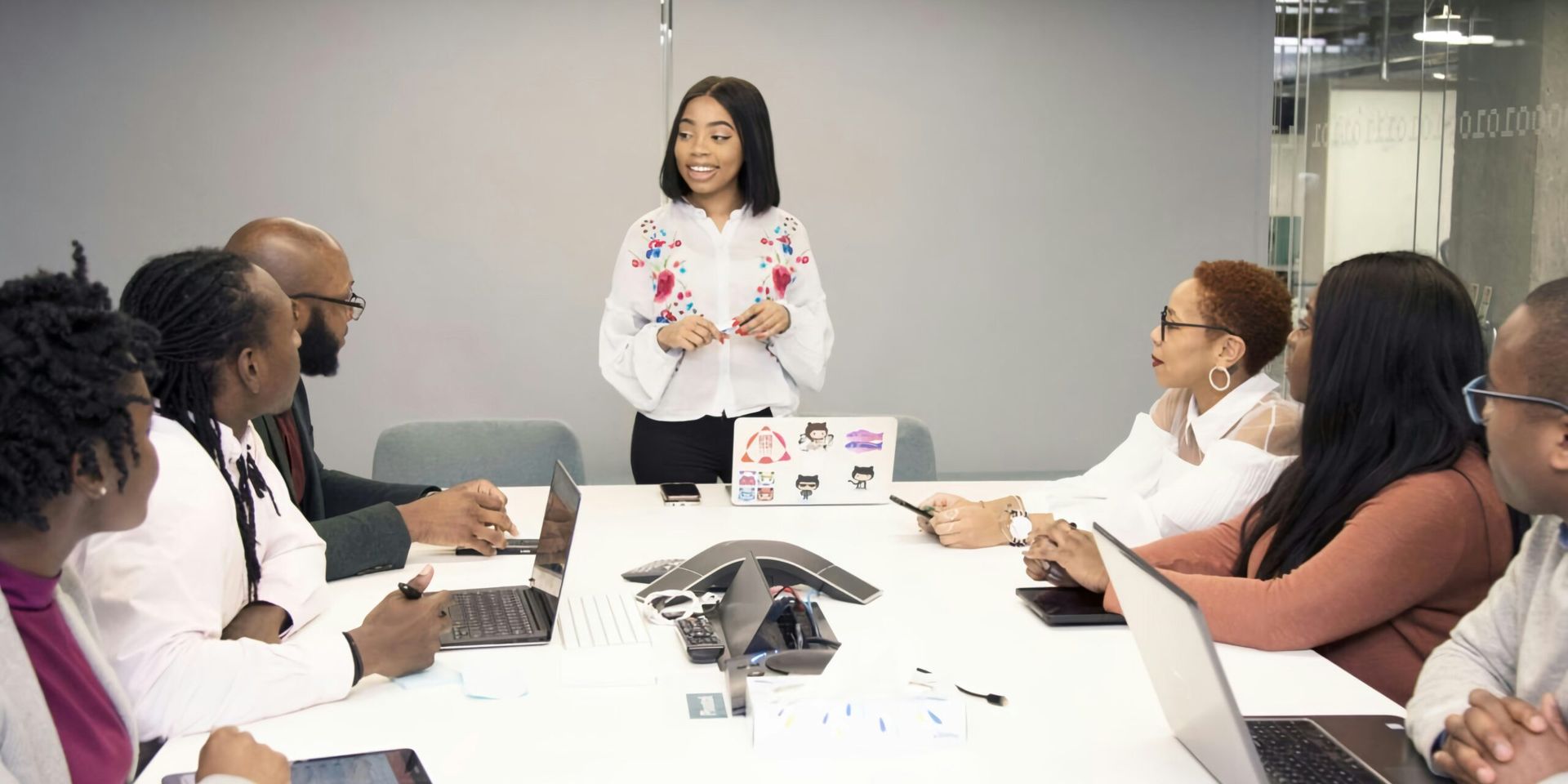
A transformative shift in leadership and lifestyle is reshaping American culture in mid-2025, with emerging generations championing emotional intelligence, sustainability, and values-driven living. Millennials and Gen Z are not only redefining how leadership is measured in the workplace, but also how wellness and personal expression intersect in daily life.
According to new insights from Fortune and Forbes, today’s most effective executives are prioritizing traits like empathy, adaptability, and emotional intelligence—qualities that resonate deeply with younger talent pools. Rather than traditional top-down models, modern leaders are adopting inclusive, collaborative approaches that prioritize psychological safety, employee empowerment, and mission alignment.
“Gen Z expects more than just a paycheck—they want purpose, mental health support, and authentic leadership,” noted a senior analyst at Forbes. “The shift is less about perks and more about culture.”
This evolution in workplace expectations is mirrored in consumer and lifestyle trends. Reports from Real Simple, WebTrends, and Who What Wear show a surge in mindfulness-centered routines, digital boundaries, and creative self-care practices. “No-phone zones” are growing in popularity in both home and corporate environments, reinforcing the need for focus and present-moment engagement. Simultaneously, hobbies known to boost dopamine—such as dance, crafting, and journaling—are experiencing a renaissance among younger adults.
The aesthetic component of wellness has also become more personalized and expressive. Themed summer identities like “Grandmacore,” “Coastal Cowgirl,” and “Pilates Princess” have gained traction on social media platforms, allowing users to fuse fashion, well-being, and personal branding into cohesive lifestyle statements. These trends often blend nostalgia with modern wellness ideals, reflecting a desire for comfort, control, and community in a chaotic world.
“These aren’t just trends—they’re reflections of a generation designing life on their own terms,” said a culture editor at Who What Wear. “Gen Z is merging form and function in how they dress, eat, work, and unwind.”
This dual evolution—of workplace culture and personal wellness—also underscores a new kind of leadership emerging outside the boardroom. In their social circles and digital communities, young people are acting as leaders in their own right: influencing peers toward mental health awareness, body neutrality, environmental consciousness, and inclusive design.
Corporate brands are taking notice. Many are shifting their internal structures and external messaging to better align with generational values. From implementing mental wellness stipends and flexible work schedules to promoting sustainability audits and inclusive hiring, companies are redefining performance metrics to include cultural contribution and emotional intelligence.
This redefinition is also influencing executive recruitment. Firms now look for leaders who are digitally fluent, socially aware, and capable of managing multigenerational teams with a focus on cohesion and purpose. Leaders who embody these qualities are more likely to retain talent and spark innovation in a competitive, values-conscious labor market.
Moreover, the move toward holistic wellness is creating ripple effects in the economy. Consumer demand is growing for products and services that promote mind-body health—from aromatherapy tech to therapy-informed fitness programs. Retailers, tech platforms, and hospitality brands are reshaping their offerings to accommodate a culture that values mindfulness, creativity, and authenticity over material status.
Ultimately, the trends of 2025 indicate a profound cultural reset. Leadership is no longer solely about business outcomes—it’s about how leaders and individuals foster environments where people feel seen, supported, and inspired. Whether in executive suites or social feeds, the message is clear: emotional intelligence and intentional living are no longer optional—they’re essential.
Biz Weekly Contributor
Covers finance, markets, and executive leadership, turning balance-sheet detail into plain business sense.
This article features partner, contributor, or branded content from a third party. Members of the Biz Weekly editorial staff were not involved in the creation of this content. All views and opinions are those of the contributor alone.