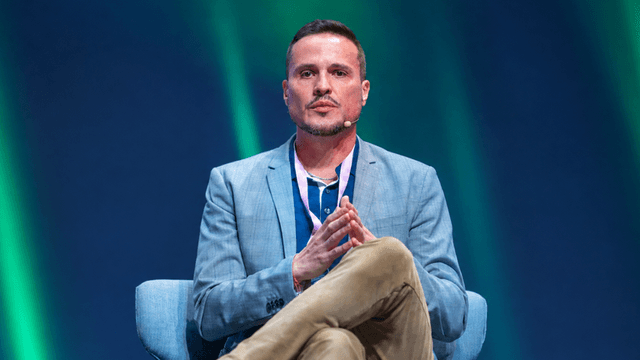
Leadership in Diversity: Building Inclusive and Equitable Teams

As we head into November 2024, diversity, equity, and inclusion (DEI) have become indispensable components of effective leadership. In today’s dynamic business environment, leaders who prioritize DEI are not just enhancing workplace culture—they are driving performance and innovation. This article explores how leaders are fostering inclusive and equitable environments that allow all employees to thrive.
The Importance of DEI Leadership
Research has repeatedly shown the positive impact of diversity on team performance. Diverse teams are more innovative, better at problem-solving, and drive business success. According to a McKinsey & Company report, organizations with diverse teams are 35% more likely to outperform their competitors financially.
However, diversity is just the first step. True inclusion and equity require intentional leadership practices that ensure every employee has the opportunity to contribute meaningfully, regardless of their background or identity. When leaders embed DEI into their organization’s DNA, it enhances both employee satisfaction and company performance.
Leadership’s Role in Creating Inclusive Teams
To truly build inclusive teams, leadership must go beyond rhetoric and actively foster an environment where all employees feel heard and valued. Leadership shapes an organization’s culture, and inclusive leaders set the tone for collaboration, respect, and fairness.
1. Commitment to DEI Across the Organization
Inclusive leadership begins with clear commitment at the top. Leaders must publicly and consistently express their dedication to diversity, equity, and inclusion, reinforcing that DEI is not just a priority but an ongoing strategy. This commitment should be reflected in actions—allocating resources to DEI initiatives, setting measurable goals, and tracking progress.
Moreover, leaders must hold themselves and others accountable for creating an inclusive environment. Employees will look to their leaders to guide the organization’s cultural transformation, and leaders who are transparent and consistent with their actions will inspire trust and collaboration.
2. Inclusive Recruitment and Hiring Practices
An essential aspect of inclusive leadership is ensuring diverse talent acquisition. While it’s crucial to recruit from a broad range of backgrounds, leaders must also take steps to mitigate unconscious bias throughout the hiring process. This can include using diverse hiring panels, employing inclusive job descriptions, and ensuring that hiring managers are trained in unbiased recruitment strategies.
Additionally, fostering partnerships with universities, organizations, and networks that serve underrepresented groups can help expand the talent pipeline, making the hiring process more equitable.
3. Providing Equal Leadership Opportunities
Equitable leadership development opportunities are critical for fostering a fair workplace. Leaders should make a concerted effort to ensure that employees from all backgrounds have access to growth opportunities, mentoring, and sponsorships. Removing systemic barriers and unconscious bias in promotions is key to creating equal opportunities for leadership advancement.
Programs specifically designed to support underrepresented groups in leadership roles can help bridge the gap and ensure diverse perspectives are well-represented in decision-making. By prioritizing equity in professional development, organizations can build leadership pipelines that reflect the broader diversity of their teams.
4. Promoting Psychological Safety
Psychological safety is the foundation of any successful inclusive team. Google’s Project Aristotle showed that teams with higher levels of psychological safety perform better. Leaders can cultivate psychological safety by encouraging open dialogue, welcoming diverse viewpoints, and creating a space where employees feel comfortable taking risks and offering feedback.
Leaders should also model vulnerability, showing that it’s okay to make mistakes and learn from them. By doing so, they create an environment where employees feel safe and empowered to share their unique perspectives without fear of judgment.
Overcoming DEI Challenges
While building inclusive teams is essential, it comes with its challenges. Some of the most common barriers include:
1. Unconscious Bias
Unconscious biases often influence decisions regarding hiring, promotions, and performance evaluations. Leaders can address this by implementing regular training on recognizing and mitigating biases. It’s also helpful to create processes that limit the impact of bias—such as structured interviews and objective performance metrics.
2. Resistance to Change
Resistance to DEI initiatives can come from various sources—some employees may feel that DEI efforts create division, while others may resist changing their long-standing behaviors or attitudes. To overcome this resistance, leaders should provide clear communication about the benefits of DEI and demonstrate how an inclusive environment fosters creativity, innovation, and team success.
3. Sustaining Momentum
Sustaining DEI efforts requires ongoing attention. As initial enthusiasm fades, leaders must continue to prioritize DEI by regularly assessing the effectiveness of initiatives, celebrating successes, and recalibrating strategies as necessary. A long-term commitment is essential to creating lasting change.
The Business Case for DEI Leadership
Incorporating DEI into leadership practices isn’t just good for employees; it’s good for business. Companies that prioritize diversity and inclusion see tangible benefits, such as improved profitability, higher employee retention, and a stronger brand reputation. Teams with diverse perspectives can better address customer needs, anticipate market trends, and develop innovative solutions to complex problems.
In fact, organizations with a diverse leadership team are better positioned to succeed in global markets, as they can connect with and understand a wider array of customers.
Conclusion: Leading the Way to an Inclusive Future
As we look toward 2025, the importance of inclusive leadership will only continue to grow. Leaders who embrace diversity and equity will not only create a better work environment for their teams but will also position their organizations for long-term success. Building diverse, equitable, and inclusive teams requires intentional effort and commitment, but the rewards—both in terms of performance and culture—are immeasurable.
Leaders who make DEI a cornerstone of their strategy can create environments where all employees feel empowered to bring their full selves to work, contributing to a thriving, innovative, and successful organization.
Biz Weekly Contributor
Covers finance, markets, and executive leadership, turning balance-sheet detail into plain business sense.
This article features partner, contributor, or branded content from a third party. Members of the Biz Weekly editorial staff were not involved in the creation of this content. All views and opinions are those of the contributor alone.