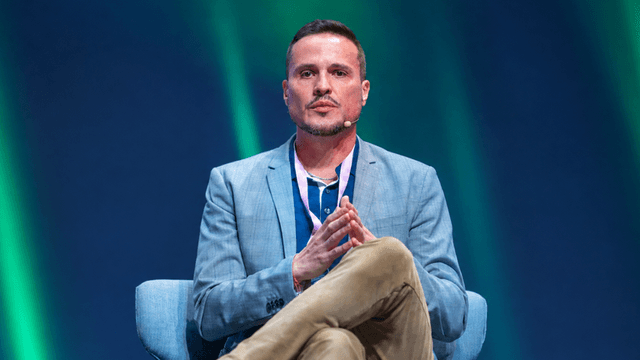
Leadership in 2025: Embracing Empathy, AI, and Hybrid Work Models

By Miles Pennington, Senior Correspondent
In 2025, leadership paradigms are undergoing a significant transformation. The convergence of technological advancements, particularly in artificial intelligence (AI), with evolving workplace dynamics has necessitated a shift towards more empathetic, adaptable, and inclusive leadership styles. Leaders are now tasked with balancing the precision of AI-driven decision-making with the nuanced understanding of human emotions, all within increasingly hybrid work environments.
The Rise of Empathetic Leadership
Empathy has emerged as a cornerstone of effective leadership in 2025. As organizations navigate the complexities of remote and hybrid work models, the ability of leaders to connect with their teams on a human level has become paramount. Emotional intelligence enables leaders to foster trust, enhance communication, and build resilient teams.
Modern leaders are expected to demonstrate genuine care and concern for their team members. This includes being attuned to emotional cues, listening actively, and responding with sensitivity. Leadership development programs are now emphasizing emotional intelligence as a critical competency. Companies are investing in training that enhances empathy, self-awareness, and interpersonal skills to prepare leaders for the challenges of the modern workplace.
Integrating AI into Leadership Practices
Artificial intelligence continues to revolutionize the workplace, offering tools that enhance efficiency and data-driven decision-making. However, the integration of AI into leadership roles requires a delicate balance. While AI can process vast amounts of information rapidly, it lacks the human touch necessary for nuanced decision-making and emotional understanding.
Leaders in 2025 are expected to be technologically fluent. They must understand how to harness AI to streamline operations, analyze trends, and make informed decisions. At the same time, they must ensure that AI tools are used ethically and do not replace human interaction where it matters most. By embracing AI as an ally rather than a replacement, leaders can enhance their strategic capabilities while preserving the human-centric aspects of leadership.
Navigating Hybrid Work Models
The shift towards hybrid work models has redefined traditional workplace structures. Leaders must now manage teams that are dispersed across various locations, necessitating new strategies to maintain cohesion and productivity.
Effective communication and trust-building are essential in this context. Regular virtual meetings, transparent communication channels, and inclusive decision-making processes help bridge the gap between remote and in-office employees. Leaders must be proactive in addressing the challenges of hybrid work, such as feelings of isolation and difficulties in collaboration.
Moreover, flexibility has become a key attribute of successful leadership. Allowing employees to choose where and how they work fosters autonomy and satisfaction. Leaders must strike a balance between organizational goals and individual preferences to create a harmonious work environment.
Fostering Continuous Learning and Development
In an era marked by rapid technological advancements, continuous learning has become a critical component of leadership. Leaders are encouraged to cultivate a culture of learning within their organizations, promoting adaptability and innovation.
Providing access to upskilling opportunities, encouraging knowledge sharing, and recognizing learning achievements are ways leaders can foster a learning culture. This not only enhances individual growth but also strengthens the organization’s ability to respond to change. As new tools and methods emerge, continuous learning ensures that leaders and their teams remain competitive and forward-thinking.
Emphasizing Diversity, Equity, and Inclusion (DEI)
Diversity, equity, and inclusion have taken center stage in leadership discussions. Leaders are now expected to create environments that value diverse perspectives and promote inclusivity. This involves implementing DEI initiatives that go beyond mere compliance, aiming to foster a sense of belonging among all employees.
Inclusive leadership requires cultural competence, active listening, and a commitment to equitable practices. By championing DEI, leaders not only enhance team performance but also reflect the values of a modern, socially responsible organization.
Prioritizing Employee Well-being
Employee well-being has become a focal point for leaders in 2025. The challenges posed by remote work, technological disruptions, and global uncertainties have underscored the importance of mental health and overall well-being.
Leaders are implementing strategies to support their teams, including flexible work arrangements, wellness programs, and mental health resources. By prioritizing well-being, organizations not only enhance employee satisfaction but also improve productivity and retention.
Conclusion
The landscape of leadership in 2025 is characterized by a harmonious blend of empathy, technological acumen, and adaptability. Leaders who embrace these elements are better equipped to navigate the complexities of the modern workplace, fostering environments where both individuals and organizations can thrive.
Biz Weekly Contributor
Covers finance, markets, and executive leadership, turning balance-sheet detail into plain business sense.
This article features partner, contributor, or branded content from a third party. Members of the Biz Weekly editorial staff were not involved in the creation of this content. All views and opinions are those of the contributor alone.