Inside the Complex World of FDA Compliance for Food, Supplements, Cosmetics, and Medical Devices
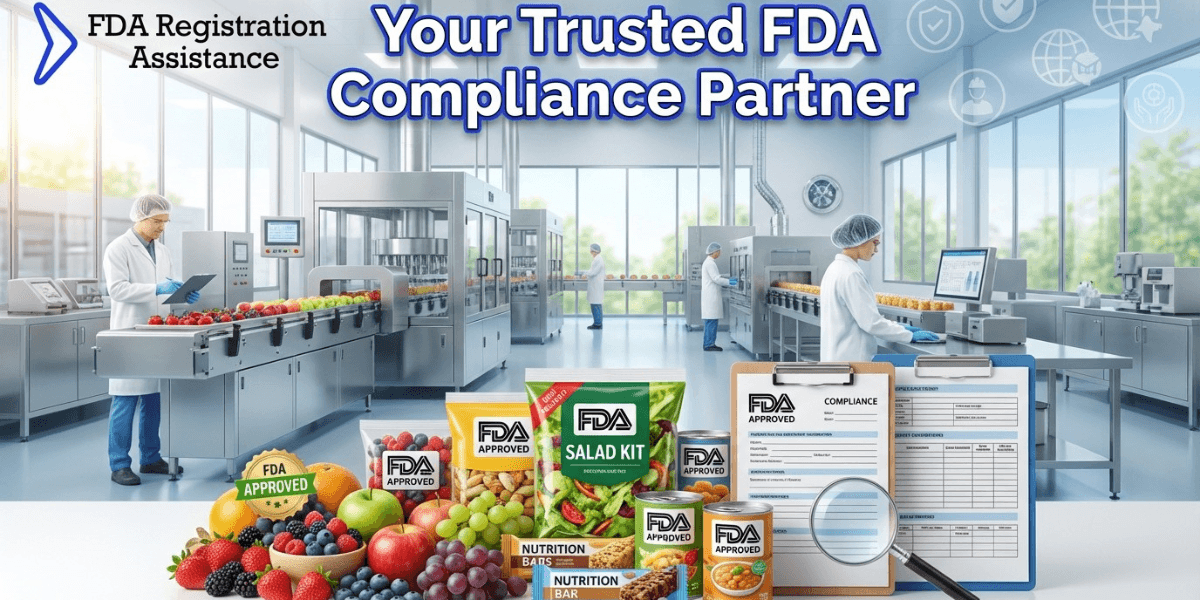
Understanding the regulatory steps required for international companies entering the U.S. market.
Entering the United States market presents opportunities for growth but also challenges, especially for companies exporting food, dietary supplements, cosmetics, or medical devices. Even high-quality products can face delays or detentions if they do not meet the requirements set by the U.S. Food and Drug Administration (FDA). Regulatory procedures extend beyond standard customs checks, encompassing facility registrations, labeling compliance, and import verification programs. For many international businesses, navigating these rules can be complex, prompting them to seek guidance from experts like FDA Registration Assistance.
Founded by Hector Matos, FDA Registration Assistance helps manufacturers, exporters, importers, and brand owners prepare for U.S. market entry. The organization works across all major FDA-regulated categories, providing support for regulatory steps that are necessary for lawful import and distribution.
Key Requirements for U.S. Market Entry
U.S. regulations are designed to ensure product safety, maintain public health standards, and provide accountability for imported goods. Companies entering the market must typically complete several critical steps:
- Facility registration with the FDA
- Compliance with labeling and ingredient disclosure requirements
- Designation of a U.S. Agent, when applicable
- Verification under the Foreign Supplier Verification Program (FSVP)
These requirements apply differently depending on the type of product. For example, dietary supplements have labeling and ingredient standards that differ from those for food or cosmetics, while medical devices may require additional establishment registration and device listing. Completing these steps before shipping helps reduce the risk of shipment delays, inspections, or refusals at U.S. ports.
“Many companies focus on distribution and marketing before fully understanding regulatory requirements,” Matos explains. “Addressing compliance early helps shipments move efficiently and ensures products are ready for U.S. retailers and distributors.”
Challenges Commonly Encountered by Exporters
Even experienced exporters can face unexpected hurdles when entering the U.S. market. Labeling requirements in the United States may differ from those in other regions, including formatting, ingredient disclosure, and warning statements. Importers also have responsibilities under FSVP, which may be unfamiliar to businesses new to the U.S. regulatory framework.
Other common challenges include incomplete or outdated facility registrations, missing documentation, and unclear division of responsibilities between exporters and U.S. importers. These obstacles can disrupt supply chains, affect inventory planning, and delay retail launches, making proactive preparation essential for businesses aiming to maintain consistent operations.
Proactive Compliance Planning
Incorporating regulatory requirements into early business planning helps companies avoid complications after shipments are dispatched. Preparing labeling, documentation, and registrations ahead of time can streamline customs processes and reduce the risk of costly delays. Maintaining accurate records also allows companies to respond effectively to regulatory updates or changes in manufacturing locations, product lines, or ownership structures.
Supporting Diverse Industries and Global Clients
FDA Registration Assistance works with companies across a variety of industries, including food, dietary supplements, cosmetics, medical devices, and pharmaceutical products. Its approach accommodates international clients who may face language barriers, time zone differences, or limited experience with U.S. compliance requirements.
Clear communication, standardized processes, and consistent guidance help businesses understand regulatory obligations, reduce uncertainty, and manage shipments efficiently. This support is particularly important for companies exporting multiple product lines or operating in several categories simultaneously.
Accessing Resources and Guidance
Companies exploring U.S. market entry can access educational materials and regulatory guidance through multiple channels:
These resources provide practical guidance on FDA registration processes, labeling requirements, and import regulations for companies planning to export to the United States.
Biz Weekly Contributor
Covers business, leadership, and entrepreneurship, highlighting emerging companies and the people behind them.
This article features partner, contributor, or branded content from a third party. Members of the Biz Weekly editorial staff were not involved in the creation of this content. All views and opinions are those of the contributor alone.