Historic Heat Waves and Wildfires Sweep the U.S. in July 2023
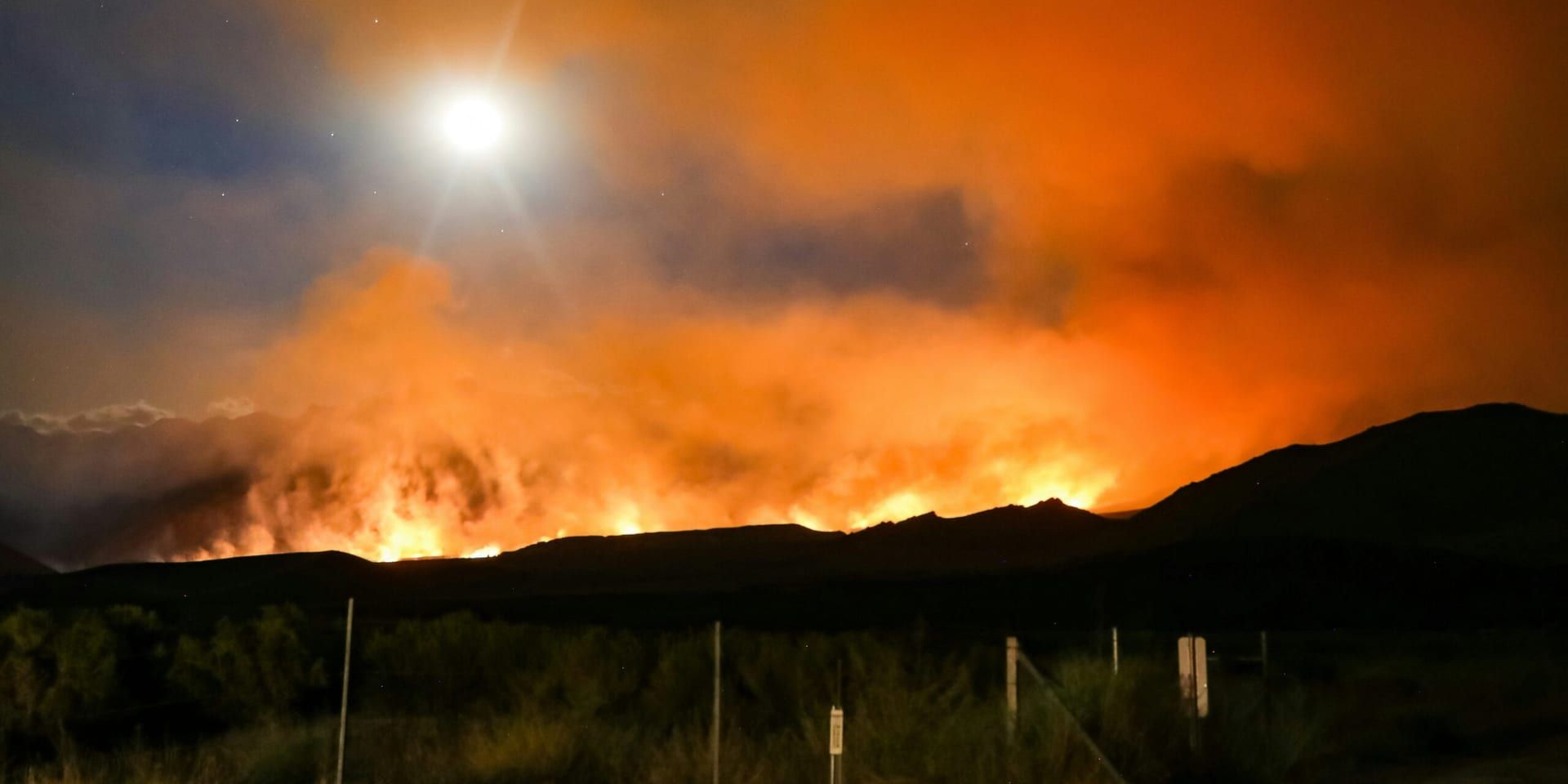
July 2023 became a historic month for the United States, as the country faced its hottest summer on record. With temperatures surpassing 110°F (43°C) in several major cities, extreme heat combined with dry conditions sparked devastating wildfires across the western U.S. These weather phenomena caused widespread destruction, prompting conversations about the urgent need for more effective climate policies and sustainable solutions.
Record-Breaking Heat Waves Across the Country
Throughout July 2023, large parts of the U.S. experienced unprecedented heat. Cities like Phoenix, Arizona, saw a series of consecutive days with temperatures exceeding 110°F, while Las Vegas, Nevada, reached 117°F (47°C). These temperatures were not limited to desert regions; they spread across the country, affecting the Midwest, Southeast, and even the Northeast, where typically milder conditions prevailed.
The National Weather Service issued excessive heat warnings for over 30 states, advising people to take necessary precautions such as staying hydrated and avoiding outdoor activities during the hottest parts of the day. Emergency rooms across the country reported a spike in heat-related illnesses, particularly among vulnerable populations such as the elderly and those with underlying health conditions.
In addition to the human toll, these extreme temperatures severely impacted the power grid. Energy demand surged as millions sought air conditioning, leading to power outages in several regions. This strain on energy infrastructure highlighted the vulnerabilities of the U.S. in handling such extreme weather events.
Wildfires Devastate the Western U.S.
While the heatwave affected most of the country, the western states bore the brunt of the crisis. California, Oregon, and Montana saw some of the most intense wildfire seasons on record. The combination of soaring temperatures, dry vegetation, and high winds created conditions ripe for wildfires to spread rapidly.
California’s forests were ravaged by massive fires like the Fawn Fire and the McKinney Fire, which destroyed thousands of acres and forced tens of thousands of people to evacuate their homes. In Oregon, the Flat Fire consumed hundreds of square miles of land, while Montana faced similar devastation, with fires reaching residential areas in some parts of the state.
These wildfires not only caused immense property damage but also created hazardous air quality conditions. Smoke from the fires drifted across the country, affecting cities as far east as New York City, leading to serious health concerns, particularly for individuals with respiratory issues like asthma. As wildfires burned out of control, the U.S. Forest Service and other emergency responders were overwhelmed by the scale of the disaster, struggling to contain the blazes with limited resources.
The Need for Immediate Climate Action
The summer of 2023 served as a wake-up call, underscoring the urgent need for action on climate change. The intensity of the heatwaves and wildfires left many questioning the country’s readiness to face future extreme weather events. As these events become more frequent and severe, experts warn that immediate action is needed to mitigate the effects of global warming.
The Biden administration has made some strides in promoting renewable energy and reducing greenhouse gas emissions, but the events of July 2023 have shown that more comprehensive measures are required. Moving toward a greener economy—fueled by renewable energy sources like solar, wind, and hydropower—has become a key part of the national dialogue. But policymakers must also focus on building resilience to climate impacts, including better wildfire prevention systems, improved emergency response protocols, and stronger infrastructure capable of withstanding extreme temperatures.
Preparing for Future Climate Disasters
The events of July 2023 also highlight the necessity of better preparedness in regions most vulnerable to extreme weather. As temperatures continue to rise, areas that once experienced mild summers may face more frequent and intense heatwaves. For example, parts of the Midwest and Northeast, which are traditionally less prone to heat extremes, are now seeing record-breaking temperatures.
Governments and businesses must adapt to this changing reality by investing in technologies and infrastructure designed to handle extreme weather. This could mean reinforcing power grids, developing better water management systems, and building homes and cities that can better withstand both heat and wildfires.
Furthermore, climate adaptation efforts must go hand in hand with mitigation strategies. Local governments and businesses should prioritize climate-resilient construction practices, fire-resistant landscaping, and better urban planning to reduce the risk of future destruction.
A Changing Climate and Its Consequences
The devastating heatwaves and wildfires of July 2023 are part of a larger global trend of rising temperatures and extreme weather events. The World Meteorological Organization has warned that these kinds of conditions are likely to increase in frequency and severity over the coming decades, posing significant challenges to communities, economies, and ecosystems.
As the U.S. looks toward the future, the priority must be clear: more effective climate policies, better disaster preparedness, and long-term investments in sustainable energy and infrastructure. While progress has been made, there is much more to be done to ensure that the nation can weather the storms—and heatwaves—of tomorrow.
Conclusion
The summer of 2023 will likely be remembered as a turning point in the U.S.’s climate conversation. As heatwaves and wildfires ravage communities, it is clear that climate change is no longer a distant threat but a present reality. The response to these events will shape the future of American climate policy and the nation’s ability to handle increasingly extreme weather patterns. In the face of this crisis, there is a growing call for action to reduce carbon emissions, promote clean energy, and build more resilient communities, all of which are essential in safeguarding the future of the country.
Biz Weekly Contributor
Covers business, leadership, and entrepreneurship, highlighting emerging companies and the people behind them.
This article features partner, contributor, or branded content from a third party. Members of the Biz Weekly editorial staff were not involved in the creation of this content. All views and opinions are those of the contributor alone.