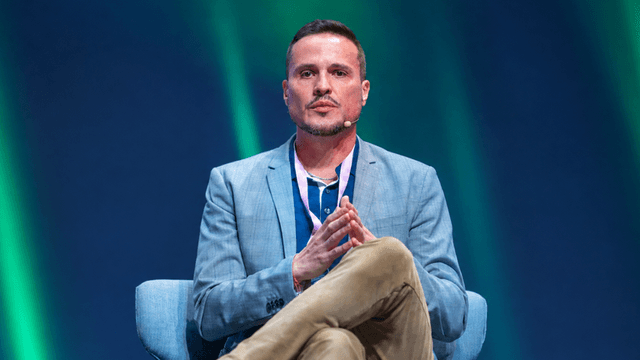
Fortune COO Summit Highlights How Operational Leaders Are Shaping the Future of AI-Driven Business

As organizations across the United States continue investing heavily in artificial intelligence and digital transformation, chief operating officers are taking on a more prominent role in guiding business strategy. One of the most significant business events on June 1, 2026, is the opening of the annual Fortune COO Summit in Scottsdale, Arizona, where senior executives from leading companies gathered to discuss the future of operations, technology, leadership, and organizational growth.
The summit arrives at a time when companies are navigating rapid technological change, evolving workforce expectations, and increasing pressure to improve efficiency while maintaining innovation. The event brings together chief operating officers and business leaders from major organizations to examine how operational leadership is evolving in response to artificial intelligence and broader digital transformation initiatives.
A key theme emerging from the conference is the growing influence of AI on day-to-day business operations. While artificial intelligence was once viewed primarily as a technology initiative, many organizations now consider it a fundamental business tool capable of improving productivity, streamlining workflows, and supporting decision-making across departments.
Executives participating in the summit are discussing how companies can move beyond experimentation and implement AI in ways that create measurable business value. Topics include operational efficiency, workforce planning, enterprise resilience, and strategies for integrating emerging technologies into established business models. These conversations reflect a broader shift occurring throughout corporate America as companies seek practical applications for AI rather than focusing solely on technological capabilities.
The event also highlights the increasing responsibilities of chief operating officers. Traditionally focused on execution and internal operations, COOs are now playing a larger role in technology adoption, organizational transformation, and strategic planning. As businesses invest more resources into digital initiatives, operational leaders are becoming essential partners in determining how technology can support long-term corporate objectives.
Industry experts attending the summit note that successful AI implementation often depends less on the technology itself and more on leadership, organizational readiness, and execution. Companies that establish clear objectives, invest in employee training, and align technology investments with business goals are generally better positioned to achieve meaningful outcomes.
Another important topic discussed at the summit is workforce transformation. The rapid adoption of AI tools is prompting organizations to reassess how work is performed, how employees are trained, and which skills will be most valuable in the future. Rather than focusing solely on automation, many companies are exploring how AI can complement human expertise and improve productivity while creating opportunities for workforce development.
Business leaders are also examining the importance of adaptability in a rapidly changing environment. The pace of technological advancement has accelerated significantly in recent years, requiring organizations to make faster decisions and adjust strategies more frequently. Executives at the summit emphasized that agility and continuous learning are becoming critical characteristics of successful companies.
Beyond technology, discussions at the event are addressing broader leadership challenges, including talent retention, organizational culture, and effective communication during periods of change. As companies navigate economic uncertainty and increasing competition, leadership teams are looking for ways to maintain employee engagement while pursuing innovation and growth.
The summit’s focus on operational leadership comes at a particularly important moment for the U.S. business community. Corporations continue to allocate substantial resources toward digital infrastructure, cloud computing, and AI-related initiatives. These investments are expected to influence business strategy, workforce planning, and operational performance for years to come.
Analysts suggest that organizations with strong operational leadership may have an advantage as AI adoption expands. Effective execution remains one of the most important factors in determining whether technology investments deliver tangible results. While innovation attracts attention, the ability to integrate new tools into existing processes often determines long-term success.
The discussions taking place at the Fortune COO Summit illustrate how leadership priorities are evolving in response to emerging technologies. Rather than viewing AI solely as a technical challenge, executives increasingly recognize it as a business transformation initiative that requires coordination across departments and functions.
For professionals, entrepreneurs, and business leaders, the key takeaway is clear: operational excellence and strategic leadership are becoming increasingly interconnected. As artificial intelligence reshapes industries and business models, organizations that successfully combine innovation with disciplined execution are likely to be better positioned for sustainable growth.
The conversations unfolding on June 1 demonstrate that the future of business will not be defined solely by technological breakthroughs. Equally important will be the leaders responsible for turning those innovations into practical solutions that improve performance, strengthen organizations, and create long-term value in an increasingly competitive marketplace.
Biz Weekly Contributor
Covers finance, markets, and executive leadership, turning balance-sheet detail into plain business sense.
This article features partner, contributor, or branded content from a third party. Members of the Biz Weekly editorial staff were not involved in the creation of this content. All views and opinions are those of the contributor alone.