The autonomous vehicle (AV) industry is experiencing an exciting surge of innovation, and 2024 is proving to be a pivotal year for the sector. Startups across the United States are leading the charge in the development of self-driving cars, trucks, and delivery robots. As the technology advances, so does the level of investment and interest in the field. Entrepreneurs are spearheading efforts to refine safety measures, improve artificial intelligence (AI), and overcome regulatory barriers to bring autonomous vehicles closer to becoming a mainstream mode of transportation.
A New Era in Transportation
The rise of autonomous vehicles is reshaping the future of mobility. While established companies like Tesla and Waymo have long been major players in the space, new startups are making their mark with fresh ideas and innovative technologies. From self-driving cars to delivery robots, entrepreneurs are leveraging AI, machine learning, and sensor technologies to redefine how people and goods move across the globe.
In September 2024, AV startups secured over $4 billion in funding, reflecting both investor confidence and growing consumer interest in this transformative technology. Companies are focusing on various aspects of AVs, including safety, efficiency, and sustainability, as well as tackling the many logistical and regulatory challenges that come with scaling such complex systems.
Key Areas of Focus for Entrepreneurs in the AV Space
Entrepreneurs working in the AV sector are honing in on several core areas to ensure that autonomous vehicles meet safety, operational, and regulatory standards. These areas of focus are essential for advancing the technology and moving the industry closer to mass adoption.
- Enhancing Safety Protocols
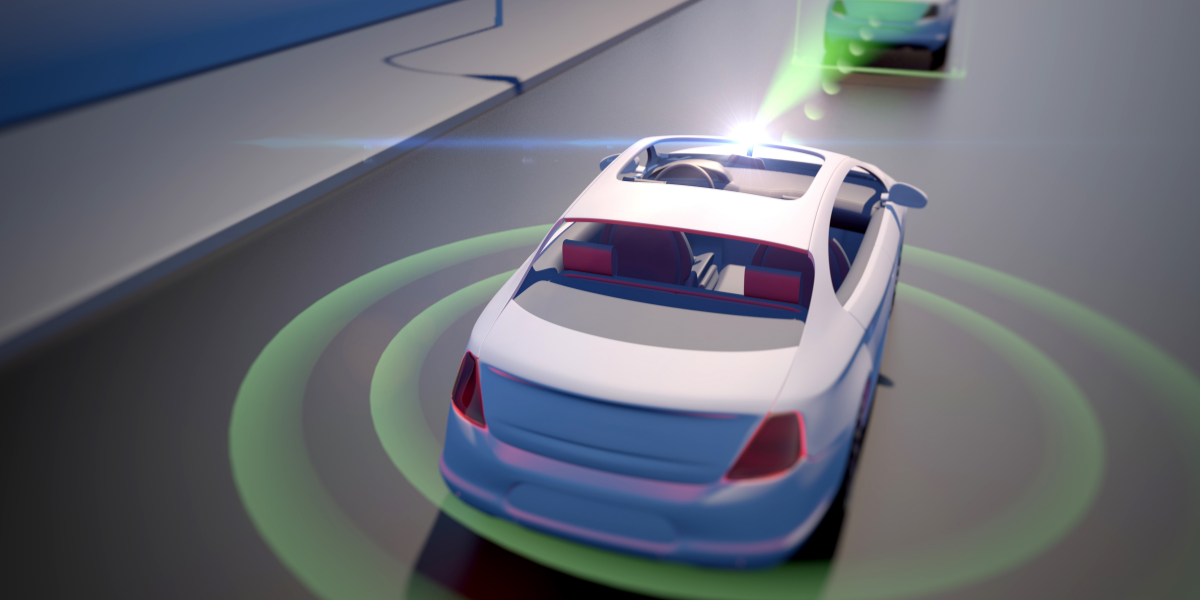
Safety is at the top of the list for many AV developers. Autonomous vehicles rely heavily on advanced sensors, including LiDAR (Light Detection and Ranging), radar, and cameras, to gather data and make real-time driving decisions. Entrepreneurs are refining these technologies to create safer vehicles that can navigate a variety of driving conditions. The ultimate goal is to ensure that AVs can reduce accidents caused by human error, ultimately making roads safer for everyone.
Despite significant strides, there is still work to be done to enhance safety systems, particularly in complex or unexpected driving environments, such as inclement weather or emergency situations. Ongoing improvements in AI algorithms will help AVs respond more effectively to these challenges.
- AI and Machine Learning
Artificial intelligence plays a central role in making autonomous vehicles a reality. Entrepreneurs are leveraging machine learning algorithms to teach AVs to make smarter, more reliable decisions. These systems must be able to process a vast amount of data in real-time, allowing the vehicle to react to its surroundings, avoid obstacles, and make split-second driving decisions.
As AI technology improves, AVs will become more adept at navigating complicated scenarios, such as interacting with other drivers or dealing with sudden road changes. The faster AI systems evolve, the closer the industry will be to fully autonomous vehicles that operate safely and efficiently.
- Navigating Regulatory Hurdles
While technological advancements are crucial, regulatory approval remains one of the most significant challenges for entrepreneurs in the AV sector. Each state and country has its own set of rules and regulations governing the use of autonomous vehicles. Entrepreneurs are working with lawmakers and regulatory bodies to establish uniform standards for testing, deployment, and safety.
Some regions have already launched pilot programs to test autonomous vehicles on public roads, while others are still ironing out legal frameworks for their integration into transportation systems. As entrepreneurs continue to collaborate with policymakers, the goal is to create a cohesive regulatory environment that accelerates the adoption of AV technologies.
- Sustainability and Environmental Impact
In addition to safety and regulatory concerns, many entrepreneurs are also focusing on the environmental benefits of autonomous vehicles. By integrating electric vehicle (EV) technology with autonomous driving systems, startups are working to reduce the carbon footprint of transportation.
The ability to optimize traffic flow and reduce congestion also has the potential to lower fuel consumption and emissions. In this way, AVs could play a key role in reducing the environmental impact of the transportation sector, which is one of the largest contributors to greenhouse gas emissions worldwide.
- Transforming Logistics and Last-Mile Delivery
Beyond personal vehicles, autonomous technology is making waves in the logistics and delivery sectors. Entrepreneurs are developing self-driving trucks and delivery robots that could revolutionize the way goods are transported and delivered. Autonomous trucks offer the promise of reducing labor costs, improving fuel efficiency, and increasing the speed of deliveries, particularly for long-haul freight.
Delivery robots, on the other hand, are set to improve “last-mile” logistics—the final step in getting products to consumers’ doorsteps. By eliminating the need for human drivers, autonomous delivery solutions can reduce delivery times, lower costs, and increase convenience for consumers.
The Road Ahead for Autonomous Vehicles
Despite the many challenges facing the autonomous vehicle industry, the progress made by entrepreneurs is undeniable. The next few years will be critical as startups work to refine AI systems, overcome regulatory obstacles, and expand testing of AVs in real-world environments. The promise of safer, more efficient, and environmentally friendly transportation is within reach, but achieving this vision will require continued innovation, collaboration, and a commitment to overcoming the hurdles that still remain.
As the industry matures, the role of entrepreneurs will remain essential. They are the driving force behind new ideas and technologies that will shape the future of transportation. Whether through enhanced safety systems, AI advancements, or sustainable solutions, these entrepreneurs are poised to lead the charge toward a more autonomous and connected world.
Conclusion
The future of autonomous vehicles is bright, with entrepreneurs playing a pivotal role in making this future a reality. With billions in funding, rapid advancements in AI and safety technology, and a commitment to overcoming regulatory challenges, the industry is well on its way to transforming the way we move people and goods. As we move further into 2024, it’s clear that the innovations driven by these entrepreneurs will redefine transportation for generations to come.