Americans Embrace “Turkey-Free Thanksgiving” with Rise in Plant-Based Holiday Meals
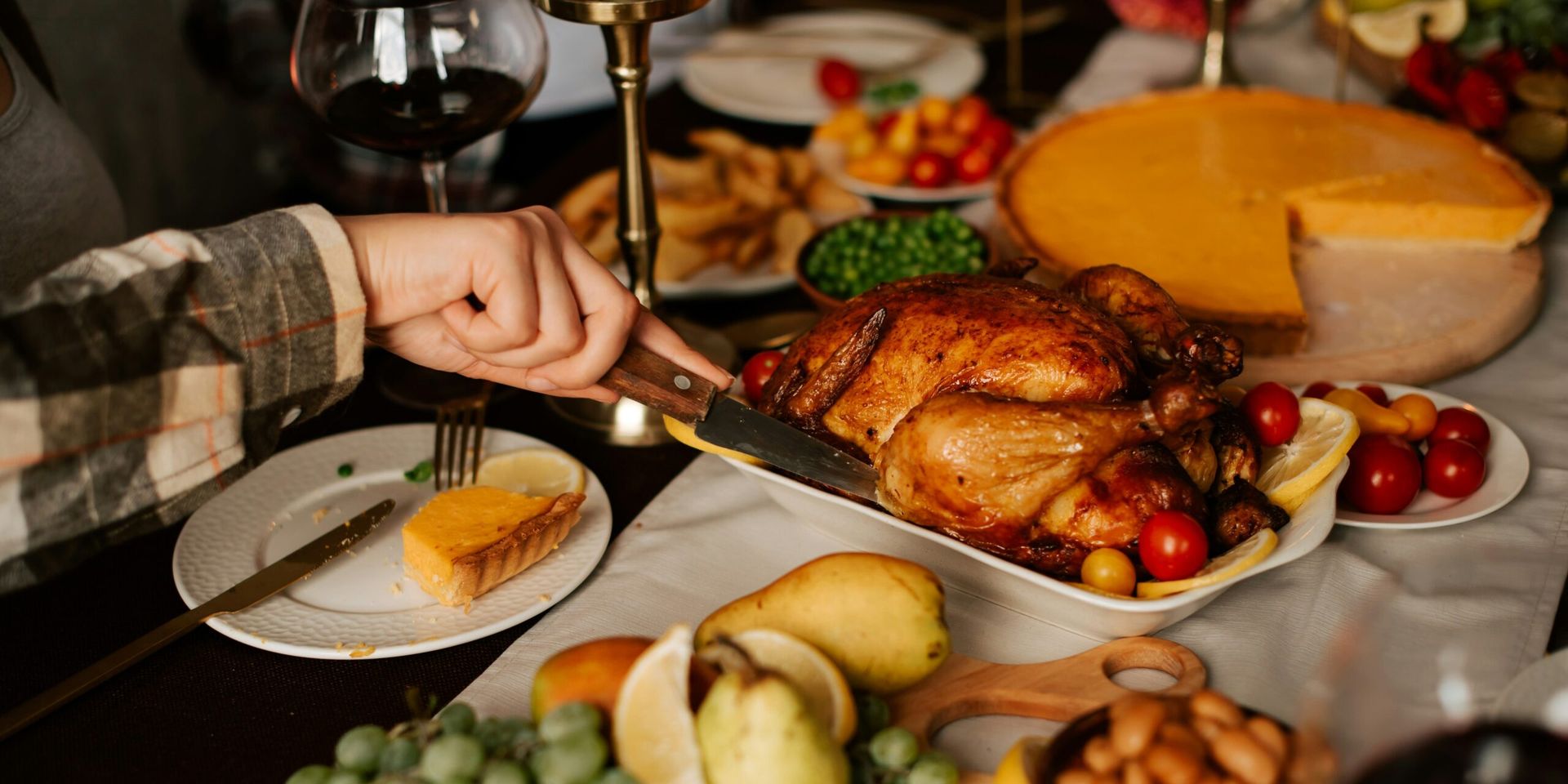
This November 27, many American families celebrated not only Thanksgiving, but also a growing trend that has become a staple in the holiday season for a growing number of households — “Turkey-Free Thanksgiving.” This movement encourages the embrace of plant-based or vegetarian alternatives to the traditional Thanksgiving turkey, reflecting a broader shift in the way Americans are thinking about food. This year, social media analytics and food-retail data revealed a striking surge in searches for turkey alternatives, which spiked by more than 30% compared to last year.
The surge in demand for plant-based holiday meals is indicative of a wider trend that’s been gaining momentum over the past several years. As more Americans become aware of the environmental, ethical, and health implications of consuming meat, many are choosing to incorporate more sustainable and health-conscious options into their diets. The rise of “Turkey-Free Thanksgiving” is just one example of how consumers are beginning to rethink traditional holiday meals. A shift towards plant-based eating has extended beyond just the holiday table and into year-round eating habits for many, as more people embrace the idea of reducing their meat consumption or trying plant-based meals in an effort to live a more ethical and sustainable lifestyle.
In the lead-up to Thanksgiving, grocery stores, especially those located in major metropolitan areas, reported an uptick in sales of plant-based alternatives like vegetarian roasts, lentil loaves, butternut squash dishes, and vegan desserts. These items, which might have been considered niche in past years, have become mainstream offerings at many retailers. Local farmers, independent food producers, and smaller businesses that specialize in plant-based goods have seen back-to-back surges in orders as well. These small businesses often attribute the increased demand to shifting consumer preferences, which are increasingly guided by sustainability and a growing concern over the environmental impacts of mass meat production.
Nutritionists and food-trend experts have been quick to point out that the increasing popularity of “Turkey-Free Thanksgiving” represents more than just a seasonal shift — it’s a reflection of larger societal changes. Americans are more conscious than ever of the benefits of plant-based diets, which are seen as healthier and more sustainable. Plant-based eating has been linked to a variety of health benefits, from weight management to improved heart health, making it an appealing option for many families looking to make healthier food choices. For others, it’s about ethical eating. The treatment of animals in the meat industry is becoming a bigger concern for consumers, prompting them to explore plant-based alternatives.
While this year’s “Turkey-Free Thanksgiving” may have seemed like a novelty to some, experts believe it’s indicative of a broader, long-term shift in dietary preferences that’s likely to continue evolving. Whether this movement will permanently replace traditional turkey at the holiday table remains uncertain, but it’s clear that plant-based alternatives are here to stay. The holiday meal of the future might feature a wide variety of plant-based dishes, from stuffed squash and mushroom roasts to hearty lentil loafs and creative vegan pies.
For now, many people are celebrating this Thanksgiving season with a greener table. The decision to try a Turkey-Free Thanksgiving was often a personal one, driven by a desire to try something new or in response to the growing awareness of food sustainability. This shift is a sign that American consumers are increasingly willing to step outside the bounds of tradition in favor of embracing more sustainable, ethical, and health-conscious food choices.
Looking ahead, it’s possible that Thanksgiving dinners in the future could look quite different. For many families, the idea of a holiday meal centered around plant-based foods is more than just a passing trend — it’s part of a larger commitment to living a more conscious and sustainable lifestyle. As people continue to experiment with new ways of eating, it’s likely that the Thanksgiving meal, once synonymous with turkey, will continue to evolve in the years to come, with plant-based dishes playing a larger role at the table.
Biz Weekly Contributor
Covers finance, markets, and executive leadership, turning balance-sheet detail into plain business sense.
This article features partner, contributor, or branded content from a third party. Members of the Biz Weekly editorial staff were not involved in the creation of this content. All views and opinions are those of the contributor alone.