Wall Street Rebounds as Investors Reassess Federal Reserve Rate Decision
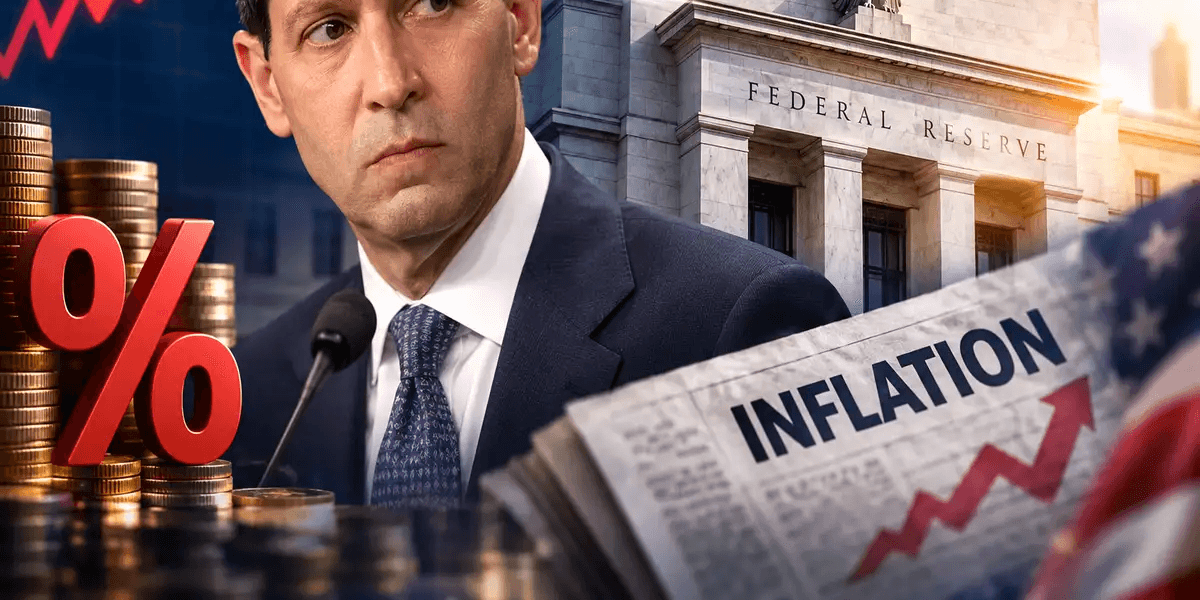
Major stock indexes rose as lower oil prices and Treasury yields helped improve market sentiment.
U.S. stock markets recovered on September 17 after the Federal Reserve’s interest-rate increase triggered losses during the previous trading session. Technology stocks led the rebound, while lower oil prices and easing Treasury yields supported gains across major indexes.
The Nasdaq composite increased approximately 1.7%, the S&P 500 rose about 1.1%, and the Dow Jones Industrial Average gained roughly 0.6%. The Russell 2000 also advanced.
The market recovery followed the Federal Reserve’s decision to raise its benchmark interest rate by one-quarter of a percentage point. The central bank cited persistent inflation and continued economic activity as factors behind the decision.
Investors Adjust to Higher Rates
Interest-rate decisions can influence stock prices, business investment, and borrowing costs. Higher rates may reduce the attractiveness of riskier assets and increase expenses for companies that depend on loans or credit facilities.
The initial market reaction was negative, but investors reassessed the decision during the following session. The recovery suggested that traders were becoming more comfortable with the policy outlook.
The Federal Reserve has indicated that future decisions will depend on economic data rather than a predetermined schedule.
Technology Stocks Lead Gains
Technology companies led the market recovery. Semiconductor stocks and other growth-oriented businesses recorded gains, helping the Nasdaq outperform the other major indexes.
Technology companies remain central to business investment, including artificial intelligence, cloud computing, cybersecurity, software, and digital infrastructure.
Higher rates can affect the financing of these projects, but strong demand may encourage companies to continue investing. Businesses must balance growth opportunities with the cost of capital.
Oil Prices Ease
Oil prices declined during the session, reducing some pressure on companies and consumers. Energy costs influence transportation, manufacturing, logistics, and retail operations.
Lower oil prices may improve profit margins for companies that use large amounts of fuel. They can also ease some inflationary pressure if the decline continues.
Investors remain attentive to energy markets because oil prices can change quickly in response to supply concerns, global demand, and geopolitical developments.
Bond Market Supports Equities
Treasury yields moved lower, helping support stocks. The 10-year Treasury yield is closely watched because it influences borrowing costs throughout the economy.
Lower yields can make stocks more attractive compared with bonds and may reduce the pressure placed on companies with future-oriented earnings expectations.
The bond market’s response was an important part of the broader recovery.
Business Leaders Watch Economic Data
Companies are expected to continue monitoring inflation, employment, consumer spending, and interest-rate expectations. These indicators can influence sales forecasts, hiring plans, investment budgets, and financing decisions.
Small businesses may face particular challenges if credit becomes more expensive. Larger companies with strong cash positions may have more flexibility, although all businesses remain exposed to changes in demand.
Market Outlook Remains Uncertain
The September 17 recovery does not guarantee that markets will continue rising. Future trading may be affected by additional Federal Reserve statements, economic reports, corporate earnings, and energy prices.
For businesses, the latest session reinforces the importance of financial planning in a changing rate environment. Companies may need to evaluate borrowing, investment, and operating expenses carefully as policymakers continue addressing inflation.
Biz Weekly Contributor
Covers business, leadership, and entrepreneurship, highlighting emerging companies and the people behind them.
This article features partner, contributor, or branded content from a third party. Members of the Biz Weekly editorial staff were not involved in the creation of this content. All views and opinions are those of the contributor alone.