Virtual Reality Startups Revolutionize the Retail Experience
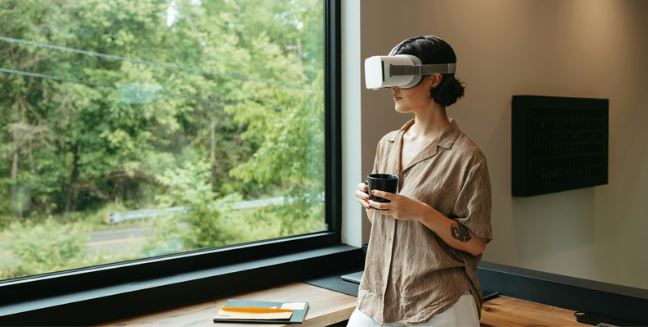
The retail industry is experiencing a profound shift thanks to the rise of virtual reality (VR) technology. In recent months, U.S.-based VR startups have been at the forefront of revolutionizing how consumers shop, offering highly immersive and personalized experiences that blur the lines between physical and digital retail. From virtual try-ons to fully interactive store environments, VR is creating new opportunities for both retailers and consumers.
What’s Driving the Change in Retail?
The once static and impersonal world of online shopping is being transformed by VR, offering consumers a more engaging way to experience products before making a purchase. Traditional e-commerce relies on images and product descriptions to help shoppers make decisions, but these can often fall short in conveying the true feel of a product. Virtual reality addresses this gap by creating realistic simulations that allow customers to engage with products in new ways.
For example, fashion retailers are using VR to offer virtual try-ons, allowing customers to see how clothing fits and looks on their own digital avatars. This provides shoppers with an experience similar to that of trying on clothes in a physical store, but without ever having to leave home. In addition, some companies are developing entirely interactive virtual storefronts, where customers can walk through aisles, explore products, and receive personalized recommendations—just as they would in a brick-and-mortar store.
VR Startups Leading the Way
Startups in the VR space are playing a crucial role in this retail transformation. With major funding and growing interest, these companies are developing the tools that will help reshape e-commerce for the future. As of May 2024, these startups collectively raised $1.8 billion in funding, showcasing investor confidence in VR’s ability to change the shopping experience.
These VR startups are not just providing technology; they’re also helping brands build custom experiences for their customers. Many retailers, especially those in fashion, home goods, and electronics, are already collaborating with VR startups to enhance their online presence.
- Personalized Shopping Experiences
One of the biggest advantages of VR in retail is its ability to create a personalized shopping journey for each customer. Virtual stores can be tailored to a shopper’s tastes and preferences, allowing for an interactive experience where recommendations are based on past browsing behavior. This level of customization leads to a more engaging and meaningful experience, one that traditional online shopping simply can’t offer. - Reducing Returns and Increasing Confidence
High return rates have been a long-standing challenge for e-commerce retailers, particularly in industries like fashion. VR technology can help mitigate this problem by providing consumers with a better understanding of how an item will look or fit before they buy. Virtual try-on solutions give shoppers the ability to see how clothes or accessories will appear on them in a 3D environment, improving decision-making and reducing the likelihood of returns. - Engaging Consumers in New Ways
Retailers are increasingly using VR to offer experiences that keep consumers engaged and coming back for more. Beyond traditional browsing, VR allows brands to host virtual events, 360-degree product demonstrations, and immersive store tours. These experiences create a deeper emotional connection with customers and can help build brand loyalty by offering something beyond the ordinary online shopping experience.
The $1.8 Billion Surge in Investment
In May 2024, VR startups focused on retail raised an impressive $1.8 billion in funding, underscoring the growing belief that this technology will redefine the shopping landscape. As more and more retailers partner with these startups, VR is fast becoming an essential part of the retail toolkit.
Some of the biggest names in retail are already taking advantage of VR’s potential. Furniture retailers, for example, are using VR to allow customers to digitally place items in their homes, helping them visualize how a new piece of furniture will look in their living space. This immersive experience helps bridge the gap between the digital and physical worlds, enabling customers to make more informed purchasing decisions.
The Future of VR in Retail
The future of VR in retail is incredibly promising, with endless possibilities for how this technology can enhance the shopping experience. As VR continues to evolve, we can expect to see even more cutting-edge applications, from virtual malls to AI-driven shopping assistants that offer real-time guidance and recommendations.
Additionally, as VR hardware becomes more affordable and accessible, smaller retailers will also be able to tap into the power of immersive shopping. This democratization of VR technology will allow more businesses, regardless of their size, to compete on a level playing field and offer engaging experiences to their customers.
Conclusion: The Changing Retail Landscape
Virtual reality is no longer a novelty—it’s becoming a vital tool for the retail industry. With $1.8 billion raised by VR startups in May 2024 alone, it’s clear that this technology is reshaping how consumers shop. As VR continues to evolve, retailers who embrace this new way of engaging customers will have a significant edge in a highly competitive digital marketplace. The future of retail is immersive, interactive, and virtual.
Biz Weekly Contributor
Covers business, leadership, and entrepreneurship, highlighting emerging companies and the people behind them.
This article features partner, contributor, or branded content from a third party. Members of the Biz Weekly editorial staff were not involved in the creation of this content. All views and opinions are those of the contributor alone.