U.S. Business Inventories Increase 0.5% as Companies Navigate Changing Demand and Supply Conditions
New Commerce Department figures show inventory growth in September, offering insight into business purchasing, supply management and economic activity.
U.S. business inventories increased by 0.5 percent in September, according to a report released by the Department of Commerce on November 17, providing another indication of how companies are managing merchandise and materials amid changing economic conditions.
The increase was in line with economists' expectations and reflected continued inventory accumulation across the business sector.
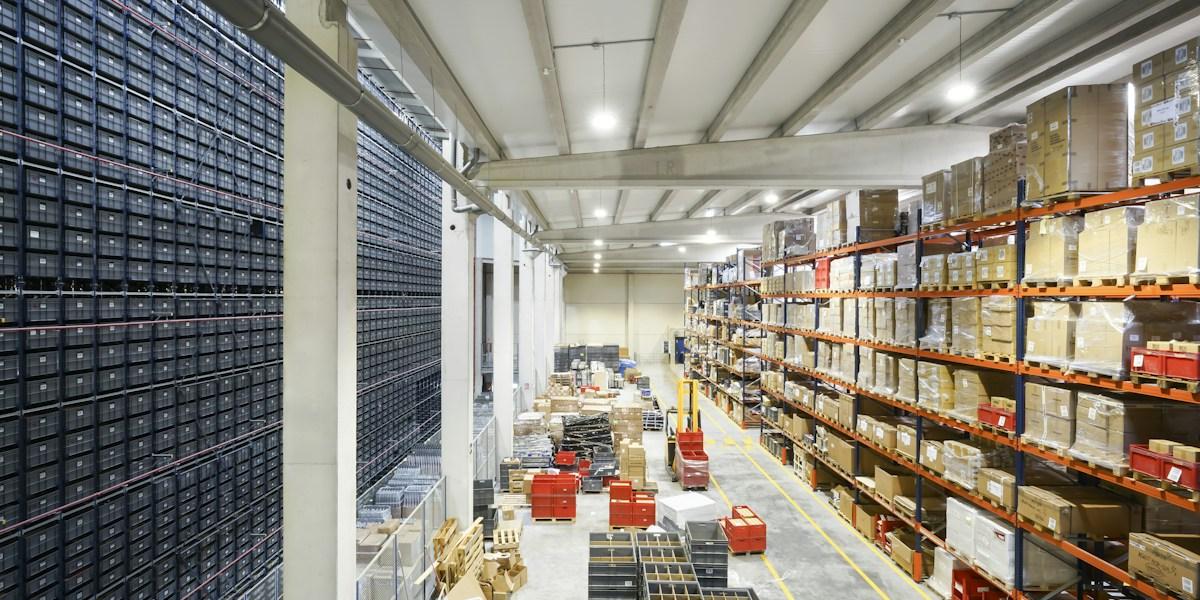
Business inventories represent goods and materials held by manufacturers, wholesalers and retailers before they are sold or used in production.
The measure is closely monitored because inventory levels can provide information about business expectations, consumer demand and supply-chain activity.
For companies, maintaining an appropriate inventory balance is an important operational decision. Excess inventory can tie up working capital and increase storage costs, while insufficient stock can lead to missed sales and production interruptions.
Understanding the September Increase
The Commerce Department's report showed that business inventories rose 0.5 percent during September.
The increase was consistent with market expectations, indicating that the reported figure did not represent a major surprise for economists following the data.
Inventory growth is an important part of the economic measurement process because goods held by businesses represent products that have been produced or purchased but have not yet reached final customers.
Changes in inventory levels can therefore influence estimates of economic activity.
An increase may reflect preparation for stronger future sales, seasonal purchasing requirements or slower movement of merchandise through distribution channels.
The figure alone does not establish which explanation applies to every business.
Different industries maintain inventory for different reasons, and their purchasing decisions depend on product demand, manufacturing schedules and supply-chain requirements.
Why Inventory Management Matters to Businesses
Inventory management influences several aspects of business performance.
Retailers must ensure that popular products remain available while avoiding excessive quantities of merchandise that may require discounts or become outdated.
Manufacturers need sufficient materials and components to maintain production schedules.
Wholesalers must balance the needs of customers against warehouse capacity and transportation costs.
These decisions affect cash flow because inventory represents money that businesses have committed before receiving payment from customers.
Companies that hold excessive stock may face additional storage, insurance and handling expenses.
They may also experience financial pressure if products lose value or become difficult to sell.
Conversely, businesses operating with insufficient inventory can experience delayed orders, production interruptions and customer dissatisfaction.
The September increase therefore provides a broader indication of how companies are managing these competing requirements.
The Relationship Between Inventories and Consumer Demand
Inventory figures are particularly useful when considered alongside consumer spending and sales activity.
When businesses expect stronger demand, they may increase purchases to prepare for future orders.
However, inventories can also rise when products move more slowly than expected.
The distinction is important because inventory accumulation does not automatically indicate stronger economic conditions.
A company that increases stock because it anticipates higher sales may be following a deliberate growth strategy.
A company accumulating unsold merchandise because customers are purchasing less may face a different financial situation.
Economists therefore examine inventory changes alongside sales data to understand whether businesses are building stock in response to demand or experiencing slower product turnover.
For retailers, this distinction can influence purchasing decisions, promotional activity and future inventory commitments.
Supply Chains and Purchasing Strategies
Inventory management has become increasingly important as businesses operate through interconnected domestic and international supply chains.
Companies often depend on multiple suppliers, transportation providers and distribution facilities to deliver products.
Disruptions in any part of that system can affect the availability of materials and finished goods.
Businesses may respond by maintaining additional inventory as a safeguard against unexpected delays.
However, holding larger inventories increases the amount of capital tied up in products and materials.
The cost of financing that stock can become more significant when borrowing expenses are elevated.
Companies must therefore determine whether additional inventory provides enough operational security to justify its financial cost.
The September figures offer a useful point of reference for evaluating how the business sector is managing those decisions.
Implications for Retailers and Manufacturers
Retailers enter important seasonal purchasing periods with decisions about merchandise availability, warehouse capacity and distribution schedules.
Inventory planning is particularly important around major shopping periods when consumer demand can change quickly.
Companies must estimate which products customers are likely to purchase while accounting for supplier delivery times and available storage.
Manufacturers face similar considerations when managing raw materials and components.
Production schedules can be affected when supplies arrive too early, too late or in quantities that exceed operational requirements.
For both sectors, inventory management is closely connected to financial planning.
Businesses must consider purchasing costs, expected sales, storage requirements and the timing of customer payments.
Inventory Data as an Economic Indicator
Economists monitor inventory reports because they contribute to a broader understanding of business activity.
Changes in stock levels can provide information about production decisions, wholesale activity and retail demand.
However, inventory figures should not be interpreted independently.
The relationship between inventories and sales provides a more complete indication of whether businesses are accumulating products in anticipation of demand or experiencing slower turnover.
The Commerce Department's September report adds another data point to the ongoing assessment of the U.S. economy.
Its significance lies in the information it provides about business operations rather than any single conclusion about the direction of economic growth.
What the Latest Figures Mean for Business Planning
The 0.5 percent increase demonstrates that U.S. companies continued to accumulate inventory during September.
For business leaders, the development reinforces the importance of monitoring stock levels alongside sales performance and operating costs.
Companies that maintain effective inventory systems can make more informed decisions about purchasing, production and distribution.
The latest report also illustrates how relatively routine business measurements can provide insight into the broader economy.
As companies navigate changing consumer demand and supply-chain conditions, inventory management remains a central part of operational and financial strategy.
Biz Weekly Contributor
Covers business, leadership, and entrepreneurship, highlighting emerging companies and the people behind them.
This article features partner, contributor, or branded content from a third party. Members of the Biz Weekly editorial staff were not involved in the creation of this content. All views and opinions are those of the contributor alone.