Sustainable Fashion Entrepreneurs Are Changing the Industry
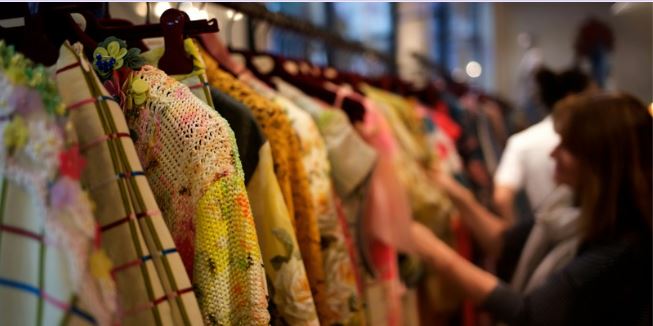
Sustainable fashion entrepreneurs are reshaping the industry, focusing on eco-friendly production, upcycled materials, and ethical labor practices. As global awareness of environmental issues grows, these entrepreneurs are not only innovating the fashion landscape—they are fundamentally changing how fashion is produced and consumed. In May 2024, we see these leaders making notable strides, supported by a significant surge in investment, technological advancements, and consumer demand for more responsible choices.
A Surge in Investment and Innovation
Sustainability has gone from being a niche interest to a major driving force in fashion. Entrepreneurs focused on sustainable practices are attracting more investment than ever before. Startups in this space are seeing increased interest from venture capitalists, with many companies reporting up to a 25% rise in funding compared to the previous year. This shift signifies that the demand for more eco-conscious fashion is not just a passing trend—it’s a lasting movement.
This surge in investment is also propelling innovation in the fashion industry. Entrepreneurs are using the capital to develop new materials and more efficient production processes. One area where they’re making major strides is in reducing the industry’s environmental impact. By focusing on energy-efficient production methods and using upcycled materials, sustainable fashion entrepreneurs are reducing waste and energy consumption at every stage of production.
Material Innovation: Eco-Friendly Fabrics and Upcycling
One of the most exciting developments in sustainable fashion is the innovation of new, eco-friendly fabrics. Many brands are moving away from traditional materials like polyester and conventional cotton, opting instead for fibers that require less water and energy to produce. Hemp, organic cotton, and bamboo are becoming increasingly popular, as they offer a more sustainable alternative to conventional fabrics.
Upcycling is also making waves in the industry. By taking discarded garments and materials and transforming them into new products, entrepreneurs are significantly reducing waste. Some fashion brands have even started using textile waste to create high-quality fabrics for new collections. This not only helps reduce the amount of clothing that ends up in landfills but also gives old garments a second life. Consumers can now purchase unique, one-of-a-kind pieces made from materials that would otherwise be discarded.
Ethical Labor Practices: Ensuring Fair Wages and Safe Conditions
Sustainability in fashion is about more than just materials—it’s also about the people behind the products. Many sustainable fashion entrepreneurs are deeply committed to ethical labor practices, ensuring that workers are paid fair wages and work in safe conditions. This ethical focus is an essential part of the sustainable fashion movement, as it aims to create a more equitable supply chain.
Transparency is key in this area. Many entrepreneurs are going a step further by providing full transparency about the conditions under which their products are made. They’re sharing information about factories, worker conditions, and production processes, allowing consumers to make more informed decisions. By focusing on fair labor practices, sustainable fashion brands aim to combat the exploitative labor conditions that have historically been common in the fast fashion industry.
Technology: Revolutionizing Production and Reducing Waste
Technology is playing a central role in the sustainable fashion movement, with many entrepreneurs leveraging new technologies to streamline production processes and reduce waste. AI and data analytics are helping fashion brands better predict demand, leading to more accurate production cycles. By producing only what is needed, these brands are minimizing the amount of unsold inventory that often ends up as waste.
3D printing technology is another innovation with the potential to revolutionize the industry. By allowing garments to be produced on-demand, 3D printing eliminates the need for mass production and excess stock. This method not only reduces waste but also enables designers to experiment with intricate, customized designs.
Additionally, some brands are using technology to create entirely new materials, such as biodegradable fabrics and sustainable alternatives to synthetic leathers. These advancements not only make the fashion industry more sustainable but also push the boundaries of what’s possible in clothing design and production.
The Consumer Shift: Sustainability in the Spotlight
The growing demand for sustainable fashion is being driven by a shift in consumer preferences. More and more shoppers are looking for products that align with their values, choosing to support companies that prioritize the environment and ethical labor practices. This shift is especially evident among younger generations, who are increasingly concerned about the planet’s future and the ethics behind their purchases.
As a result, entrepreneurs in the sustainable fashion space are not only innovating products but also focusing on marketing their values. Many brands are using their platforms to educate consumers about the environmental and social impacts of their purchasing decisions. This focus on transparency is helping build a loyal customer base that values sustainability above all else.
Conclusion
Sustainable fashion entrepreneurs are leading the charge in transforming the fashion industry. Through material innovation, upcycling, ethical labor practices, and the use of cutting-edge technology, they are creating a more sustainable, transparent, and responsible future for fashion. As consumers increasingly demand eco-conscious options and the industry adapts to these new values, the impact of sustainable fashion will only continue to grow. These entrepreneurs are proving that fashion can be both stylish and sustainable—and that the future of fashion is brighter, greener, and more ethical than ever before.
Biz Weekly Contributor
Covers business, leadership, and entrepreneurship, highlighting emerging companies and the people behind them.
This article features partner, contributor, or branded content from a third party. Members of the Biz Weekly editorial staff were not involved in the creation of this content. All views and opinions are those of the contributor alone.