A new report by Seraphim Space, a leading investment firm specializing in space technology, predicts a sharp rise in funding for space-sector startups throughout 2025. This trend is being driven primarily by escalating geopolitical tensions between the United States and China, as both nations ramp up investment in space as a critical domain for national security, commercial infrastructure, and technological leadership.
In 2024, U.S.-based space tech companies collectively secured an estimated $8.6 billion in private investment. This figure reflects a maturing and increasingly capital-intensive industry that continues to attract major players and institutional backers. Among the standout transactions last year was Apple’s $1.5 billion acquisition of a 20% stake in Globalstar, a satellite communications company. This strategic move underscored the growing importance of satellite infrastructure in consumer electronics and global connectivity.
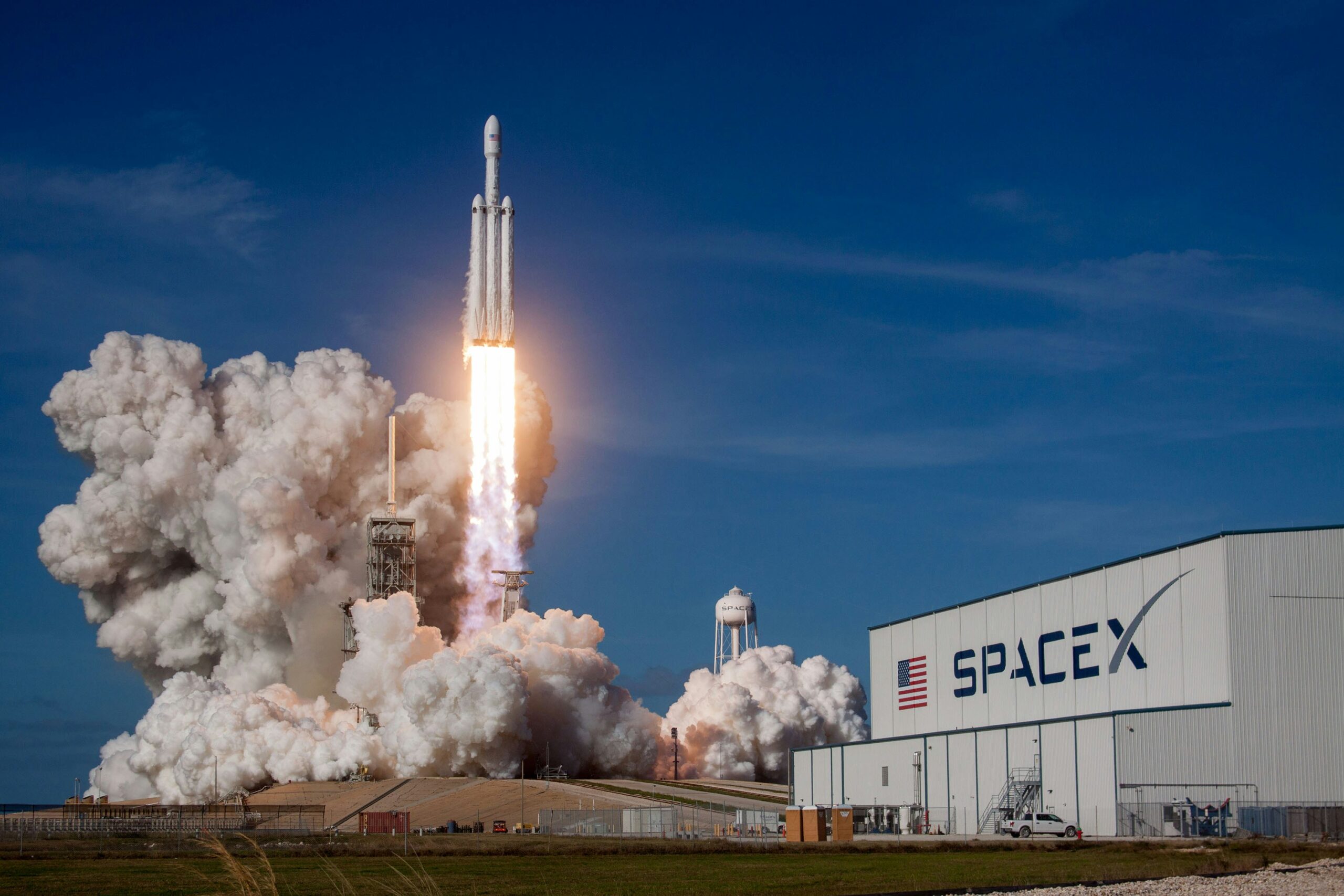
SpaceX, Elon Musk’s aerospace juggernaut, also played a significant role in shaping the investment landscape. The company completed a $1.25 billion secondary share sale, pushing its valuation to approximately $350 billion and cementing its dominance in orbital launch services. Meanwhile, Firefly Aerospace, a privately held launch vehicle provider based in Texas, secured $175 million in late-stage funding, giving it a valuation above $2 billion. These large-scale deals signaled that investor confidence in space-sector returns remains strong despite broader economic uncertainties.
The Seraphim Space report emphasizes that the competitive pressures between the U.S. and China are not just political—they are fueling a commercial race to build scalable, dual-use space infrastructure. In particular, there is growing demand for low-cost satellite imaging, communications systems, and space-based intelligence platforms. These services have applications ranging from defense and disaster monitoring to global internet delivery and agricultural forecasting.
According to analysts, the incoming U.S. administration is expected to enhance federal support for private space ventures, notably through expanded funding and procurement via the Department of Defense’s Commercial Space Program. This initiative aims to prioritize partnerships with agile startups capable of delivering innovation at speed and scale. With both the Pentagon and NASA looking to de-risk their missions by relying more heavily on the commercial sector, the policy environment is increasingly favorable for entrepreneurial activity in space.
The report also highlights an anticipated 30% to 40% increase in capital deployment toward space startups in 2025, particularly those working on satellite constellations, reusable launch technologies, orbital logistics, and in-space manufacturing. The maturity of these segments, combined with lower launch costs and improved investor understanding of the sector, is making space more accessible to new entrants and venture capital alike.
Across the Pacific, China is rapidly scaling its own commercial space sector. The Chinese government has doubled its space budget since 2021, with estimates suggesting that spending reached nearly $20 billion in 2024. Much of this investment is flowing into semi-private firms such as LandSpace, GalaxySpace, and Deep Blue Aerospace—companies that mirror their U.S. counterparts in ambition and capability. These firms are developing reusable launch vehicles, satellite networks, and infrastructure aimed at supporting everything from national security to global broadband coverage.
This parallel growth in the U.S. and China is setting up a new era of economic competition in orbit. As both countries seek to control strategic orbital positions, satellite bandwidth, and lunar access, private companies are emerging as key players in what is increasingly seen as a race not just for dominance, but for global influence. Startups able to align their services with government priorities—whether in defense, climate monitoring, or communications—are likely to be the biggest beneficiaries of this dynamic.
Further fueling the sector’s rise is a noticeable improvement in the capital markets. With interest rates stabilizing and investor risk appetite increasing, space companies are more readily securing late-stage funding and exploring initial public offerings. Firefly Aerospace, for example, is reportedly preparing for an IPO that could value the firm at over $5 billion. Market analysts believe other major players may follow suit in 2025, potentially triggering a wave of space-tech listings and consolidations.
The momentum behind commercial space is also reflected in the evolving regulatory and leadership environment. With potential changes at the helm of NASA and renewed emphasis on private-sector partnerships, the U.S. government is increasingly positioning itself as a facilitator rather than just a sponsor of space activity. New policies may aim to streamline licensing, improve space traffic management, and encourage private missions to the Moon and beyond.
As 2025 unfolds, the intersection of geopolitics, innovation, and capital investment is transforming space into one of the most dynamic sectors of the global economy. With both the United States and China investing heavily in space as a pillar of strategic advantage, venture-backed startups are poised to become the builders of tomorrow’s orbital infrastructure. This confluence of forces marks a new chapter in space entrepreneurship—one defined by speed, scale, and strategic significance.