Space Entrepreneurs Push Boundaries in Aerospace Tech
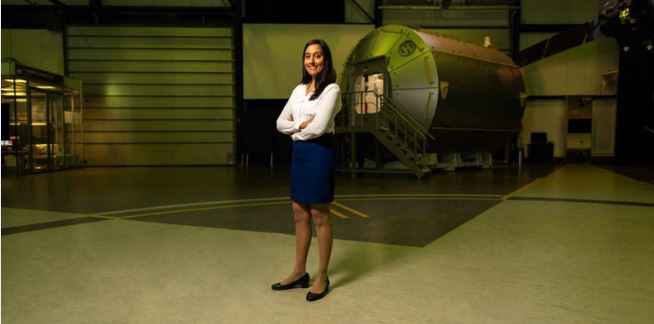
April 2024 Sees New Milestones in Commercial Space Ventures
April 2024 marked a pivotal moment for space entrepreneurs, as several startups in the aerospace sector achieved major technological breakthroughs and milestones. From advancements in satellite technology to the growing influence of space tourism, the commercial space industry continues to evolve at an impressive rate. U.S. entrepreneurs are at the forefront of this transformation, consistently driving innovation and reducing the cost of space exploration. With billions in funding pouring into space ventures, investor enthusiasm for the industry is reaching new heights.
As the commercial space industry progresses, its far-reaching implications go beyond the exploration of the final frontier. Space startups are exploring innovative ways to reduce the high costs associated with launching and maintaining space infrastructure, while simultaneously working to expand access to orbit for businesses, governments, and even everyday individuals.
This expansion is opening doors to new economic opportunities, with entrepreneurs offering a wide range of services — from satellite communications to tourism. The commercial space industry has now become a critical element of the global economy, attracting substantial investments, partnerships, and talent.
A Thriving Ecosystem of Space Startups
The world of space entrepreneurship is home to several key players pushing the boundaries of aerospace technology. These companies are not only developing new technologies but are also redefining how businesses operate in Earth’s orbit and beyond. Startups are primarily focused on lowering the cost of space access, historically a significant barrier to entry.
Leading the way are companies like Blue Origin and SpaceX, who have revolutionized rocket technology with reusable vehicles. These innovations significantly reduce launch costs and make space more accessible for both governments and private companies.
Another standout, Rocket Lab, is reshaping the satellite launch landscape by offering affordable and frequent access to space. The company’s small Electron rocket has been a game-changer for the satellite industry, which increasingly demands low-cost, high-frequency missions.
Additionally, Planet Labs has carved a niche in satellite technology by providing high-resolution Earth imagery and real-time data. Their contributions are invaluable for industries like agriculture, environmental monitoring, and disaster response. As space technology becomes more accessible, it allows companies to collect data that can have a profound impact on Earth-bound industries.
Space Tourism: Making the Final Frontier Accessible
One of the most exciting developments in the commercial space industry is the rise of space tourism. Once a concept reserved for science fiction, private space travel is now becoming a reality. Companies like Virgin Galactic and Blue Origin are paving the way for ordinary citizens to travel into space, offering brief but exhilarating suborbital flights.
Virgin Galactic, founded by Richard Branson, has already completed several successful test flights of its SpaceShipTwo spacecraft. The company plans to send paying customers on short, suborbital journeys, allowing them to experience weightlessness and view Earth from space. While the cost of tickets remains high, these early forays into space tourism signal that the industry is on the cusp of mass accessibility.
Similarly, Blue Origin‘s New Shepard rocket is conducting successful crewed and uncrewed flights to the edge of space. As these companies continue to refine their technologies and improve the customer experience, space tourism could become more common, opening up a new frontier for private industry.
The Future of Commercial Space Exploration
The space sector’s rapid growth shows no signs of slowing down. As investment in space ventures surges, future opportunities in commercial space exploration are limitless. Companies are focused on expanding space infrastructure, with plans for private space stations that could serve as research hubs, manufacturing centers, or even tourist destinations.
SpaceX, for example, has long-term goals to build sustainable space colonies, including human habitats on Mars. Additionally, Axiom Space aims to build the first commercial space station, which could revolutionize research and commercial activities in low Earth orbit.
One particularly exciting area of growth is asteroid mining. While still in its infancy, space startups are beginning to explore the potential of extracting valuable minerals and resources from asteroids. If successful, this could greatly impact industries on Earth by providing a new, virtually limitless source of raw materials.
The Economic Impact of Space Innovation
The commercialization of space is generating significant economic opportunities, both for businesses operating in space and those on Earth. The creation of in-orbit infrastructure, like satellites and space stations, is creating jobs in industries such as engineering, manufacturing, and research. The data provided by space-based technologies is also enhancing industries like telecommunications, agriculture, and environmental science.
The space industry has also spurred investments in new services like satellite-based internet, which could transform internet access in remote and underserved regions. The economic ripple effect of space ventures is contributing to growth in various sectors, proving that space innovation isn’t just about exploration — it’s about expanding opportunities on Earth.
Conclusion: A New Era of Space Exploration
The commercialization of space is no longer a distant dream but a rapidly unfolding reality. Entrepreneurs in the space sector are not only advancing space exploration but are also transforming the way we think about global industries. From reducing the cost of access to orbit to making space tourism possible, the space industry is entering a new era of growth and opportunity.
As private companies continue to push technological boundaries and attract investment, the future of space exploration looks brighter than ever. With billions of dollars fueling this new frontier, the potential for innovation, economic growth, and technological breakthroughs is limitless. The dream of exploring and utilizing space is becoming an integral part of our world, creating new possibilities for future generations.
Biz Weekly Contributor
Covers business, leadership, and entrepreneurship, highlighting emerging companies and the people behind them.
This article features partner, contributor, or branded content from a third party. Members of the Biz Weekly editorial staff were not involved in the creation of this content. All views and opinions are those of the contributor alone.