Eco-Conscious Brands Are Thriving in the Consumer Goods Market
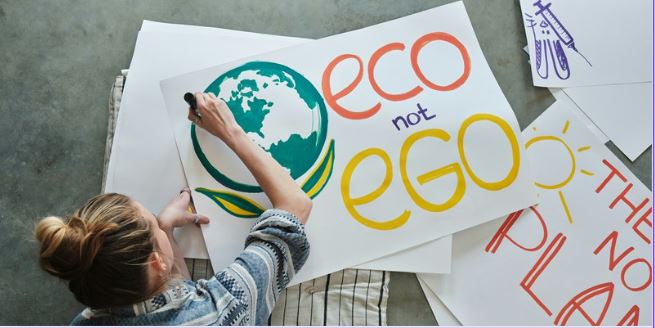
In early 2024, eco-conscious brands have seen a surge in popularity, particularly in the fashion and personal care sectors. As consumers increasingly prioritize sustainability and ethical values in their purchasing decisions, companies are responding with products designed to align with these growing demands. This shift toward environmentally friendly practices is reshaping the consumer goods market, creating new opportunities for entrepreneurs and pushing established companies to adopt greener strategies.
The Rise of Eco-Conscious Consumer Goods
Eco-conscious consumer goods have become more than a niche; they are now mainstream, with a significant number of consumers prioritizing sustainability when making purchasing decisions. From biodegradable packaging to plant-based skincare, startups are leading the charge by offering products that reflect environmental values. As sustainability moves to the forefront, established companies are also taking note, adjusting their product lines and manufacturing processes to be more eco-friendly.
This shift is not just about consumer preferences—it’s a response to global concerns over environmental impact. Issues like plastic pollution, deforestation, and the depletion of natural resources have spurred consumers to demand change, resulting in a market growth that benefits both the planet and ethical brands.
Fashion: A Hotbed for Sustainable Innovation
The fashion industry is one of the biggest contributors to environmental degradation, but it is also leading the way in sustainability. Brands that prioritize eco-friendly fabrics, circular production models, and responsible manufacturing practices are making waves in the market. Eco-conscious fashion is growing, driven by consumers who are more conscious of the lifecycle of their clothing.
From vegan leather jackets to garments made from recycled plastic bottles, sustainable fashion brands are setting new standards for the industry. Consumers are increasingly gravitating toward these brands, seeking alternatives to fast fashion’s wasteful practices. Companies offering eco-friendly options like biodegradable denim or clothing made from organic cotton are proving that fashion can be both trendy and kind to the environment.
Personal Care: Embracing Green Beauty
The personal care sector is experiencing a similar transformation, with consumers opting for plant-based skincare products, natural beauty treatments, and packaging that doesn’t harm the planet. Plant-based formulations, cruelty-free testing, and minimalistic packaging are top priorities for today’s consumers, who want to make ethical choices in their beauty routines.
Personal care brands that emphasize sustainable practices—from eliminating plastic packaging to sourcing ingredients from fair trade suppliers—are seeing rapid growth. Products like shampoo bars, refillable beauty containers, and skincare made from organic, biodegradable ingredients are becoming increasingly popular. Consumers are not just looking for products that work; they’re also searching for brands that align with their values of environmental stewardship and sustainability.
What Drives the Eco-Conscious Shift?
The shift toward eco-conscious consumer goods can be attributed to several key factors:
- Rising Environmental Awareness: Consumers are more informed about environmental issues like climate change, plastic pollution, and resource depletion. This heightened awareness has led them to demand products that have a minimal environmental impact.
- Desire for Transparency: Shoppers today want to know where their products come from and how they’re made. Brands that can provide transparency about their sourcing, production methods, and sustainability efforts are gaining a competitive edge.
- Health and Wellness Concerns: Many consumers view eco-friendly products as healthier options, free from harmful chemicals or toxins often found in traditional goods. This shift is particularly evident in the beauty and personal care industries, where natural and organic products are becoming the standard.
- Ethical Values: Beyond environmental concerns, consumers are also drawn to brands that practice ethical sourcing and fair labor practices. Brands that ensure their products are made with respect for human rights and animal welfare resonate with today’s conscientious shoppers.
Established Brands Embrace Sustainability
While eco-conscious startups are making a name for themselves, established brands are also joining the sustainability movement. Major companies across industries are incorporating eco-friendly practices into their supply chains, offering products that are both high-quality and responsible.
For instance, fashion retailers are introducing eco-friendly lines made from recycled materials or offering incentives to customers who recycle old garments. In the personal care space, beauty giants are shifting to cleaner formulations, reducing plastic packaging, and adopting refillable options. This growing trend suggests that sustainability is no longer a niche but a standard consumers expect from brands, large or small.
The Future of Eco-Conscious Consumer Goods
Looking ahead, the eco-conscious market is poised for further growth. As consumers continue to prioritize sustainability, we can expect to see:
- Innovations in Sustainable Materials: Companies will continue to invest in eco-friendly materials and technologies. From biodegradable packaging to sustainable fabrics, there is vast potential for innovation in this space.
- Regulatory Changes: Governments around the world are likely to introduce more regulations requiring brands to reduce their environmental footprints. Companies will need to adopt greener practices to stay compliant and competitive.
- Education and Advocacy: Brands will play a key role in educating consumers about the environmental impact of their purchasing decisions. As sustainability becomes a top priority for shoppers, companies that help guide their customers through these choices will gain loyalty and trust.
Conclusion
The eco-conscious consumer goods market is growing rapidly, driven by a shift in consumer preferences toward sustainability, ethical sourcing, and environmentally responsible production. Both startups and established companies are rising to the occasion, offering greener alternatives across fashion, beauty, and personal care industries. With sustainability now a core value for many shoppers, this trend is not just a passing phase—it’s a transformative movement that is reshaping the future of consumer goods.
Biz Weekly Contributor
Covers business, leadership, and entrepreneurship, highlighting emerging companies and the people behind them.
This article features partner, contributor, or branded content from a third party. Members of the Biz Weekly editorial staff were not involved in the creation of this content. All views and opinions are those of the contributor alone.