Niron Magnetics Opens Minneapolis Innovation Center to Demonstrate Rare-Earth-Free Magnet Technology
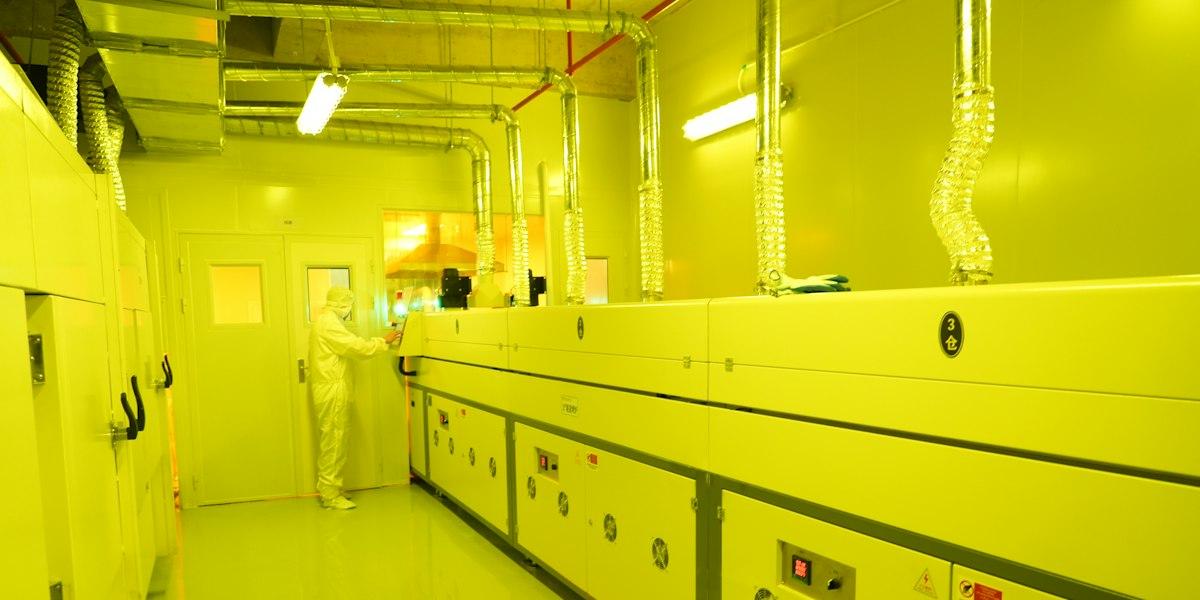
The new facility showcases American-developed magnet technology ahead of the company's planned 2027 manufacturing expansion.
MINNEAPOLIS, MINNESOTA. Niron Magnetics has opened a new technology demonstration facility in Minneapolis, introducing customers and industry partners to its iron nitride permanent magnets through working applications in electric vehicles, motorcycles, industrial equipment and consumer electronics.
The Niron Experience Center, located at 2505A Northeast Kennedy Street, officially opened on November 12. The facility is designed to demonstrate how the company's rare-earth-free magnet technology can be incorporated into products used across several major industries.
The opening comes as Niron prepares to begin production at its manufacturing facility in Sartell, Minnesota, in 2027.
The development highlights the commercial potential of alternative materials technologies and the growing interest in strengthening domestic manufacturing capabilities for critical industrial components.
Demonstrating Technology Through Real-World Applications
The Niron Experience Center provides customers and partners with an opportunity to examine products powered by the company's iron nitride permanent magnets.
Rather than presenting the technology exclusively through laboratory demonstrations or technical presentations, the facility incorporates working examples across different industries.
The displays include an electric motorcycle manufactured by Matter, an electric vehicle traction motor developed with Alvier Mechatronics and Drive System Design, and an electric bicycle drive system from Bimotal.
Other demonstrations include thermal management pumps and motors used in industrial applications.
The facility also features automotive audio equipment developed with ALPS Alpine and FaitalPRO, alongside a dedicated listening room featuring YG Acoustics speakers and Scan-Speak drivers.
These examples illustrate how permanent magnets support products beyond conventional automotive applications.
They are used in motors, pumps, speakers and numerous other devices that depend on controlled electromagnetic movement.
What Makes Iron Nitride Different
Permanent magnets are important components in many modern technologies.
They support electric motors, industrial machinery, consumer electronics and transportation systems.
Many high-performance permanent magnets rely on rare-earth elements, materials that are important to several advanced manufacturing industries.
Niron's technology uses iron and nitrogen to develop iron nitride permanent magnets without requiring rare-earth elements or other critical minerals in the magnet material.
The company's objective is to commercialize an alternative that can support industrial applications while reducing dependence on conventional rare-earth-based magnet supply chains.
Iron nitride technology has attracted interest because of its potential magnetic properties and the availability of its primary materials.
However, moving from laboratory research to large-scale commercial manufacturing involves substantial technical challenges.
Manufacturers must demonstrate consistent performance, reliability, production efficiency and cost competitiveness before an alternative material can achieve widespread adoption.
The new experience center provides an opportunity for prospective customers to evaluate the technology through practical demonstrations.
Supporting Electric Mobility and Automotive Manufacturing
One of the most prominent applications displayed at the center involves electric mobility.
Electric vehicles and electric bicycles depend on motors that convert electrical energy into mechanical movement.
The materials used in these motors can influence performance, efficiency, weight and manufacturing requirements.
Niron's displays include an electric vehicle traction motor and a removable electric bicycle drive system.
The company is also showcasing an electric motorcycle, illustrating another potential application for its magnet technology.
The automotive sector is particularly relevant because manufacturers are evaluating ways to improve supply-chain resilience while developing more efficient electric propulsion systems.
The ability to source specialized materials through reliable manufacturing networks is an important consideration for automotive companies.
A commercially viable alternative magnet technology could provide manufacturers with another option when designing future electric motors.
Its adoption, however, will depend on performance validation and the ability to meet automotive production requirements.
Industrial Equipment and Data Center Applications
The company's demonstrations also include pumps and motors used for thermal management.
Cooling systems are essential in industrial environments, particularly where machinery generates significant heat.
Data centers are another important application area because servers and computing infrastructure require effective temperature management.
As artificial intelligence and cloud computing expand, the demand for data center cooling equipment has become increasingly relevant to technology infrastructure development.
Magnetic components used in motors and pumps can influence equipment performance and operating efficiency.
Niron's experience center demonstrates how its technology could support different types of industrial systems.
The facility allows customers to examine applications beyond electric vehicles, providing a broader picture of the company's potential commercial markets.
A Manufacturing Expansion Planned for Minnesota
The Minneapolis opening is connected to Niron's planned manufacturing expansion in Sartell, Minnesota.
The company expects to begin production at its manufacturing facility in 2027.
This represents an important step in the transition from technology development toward larger-scale industrial production.
Manufacturing advanced materials requires specialized processes, equipment and quality controls.
The ability to produce magnets consistently at commercial volumes will be essential to securing long-term customer relationships.
Domestic manufacturing also has potential supply-chain implications for American businesses that depend on permanent magnets.
Many conventional permanent magnets used by U.S. manufacturers are produced overseas.
Developing additional domestic production capacity could provide another source of supply for companies operating in automotive, industrial and electronics markets.
Commercialization Remains the Central Challenge
Opening a demonstration facility provides an opportunity to build customer confidence, but commercial adoption requires more than successful product displays.
Niron must demonstrate that its magnets can meet customer specifications across different operating conditions.
Manufacturers also evaluate cost, reliability, production volumes and compatibility with existing designs.
These considerations are particularly important for industries such as automotive manufacturing, where product qualification and supply-chain requirements can involve lengthy processes.
The company's planned 2027 manufacturing start will therefore represent an important milestone in assessing its ability to scale the technology.
A New Development in Advanced Materials Manufacturing
The Niron Experience Center provides a practical view of how alternative magnet technology may be used across several industries.
Its displays connect material science with commercial applications, allowing customers to examine the technology in functioning products.
For Niron, the opening supports its transition toward larger-scale manufacturing.
For American manufacturers, the development highlights another effort to diversify the materials available for advanced industrial production.
As the company prepares for its next manufacturing phase, its ability to demonstrate consistent performance and commercial scalability will determine how widely iron nitride magnets can be adopted.
Biz Weekly Contributor
Covers business, technology, entrepreneurship, and the changing digital landscape.
This article features partner, contributor, or branded content from a third party. Members of the Biz Weekly editorial staff were not involved in the creation of this content. All views and opinions are those of the contributor alone.