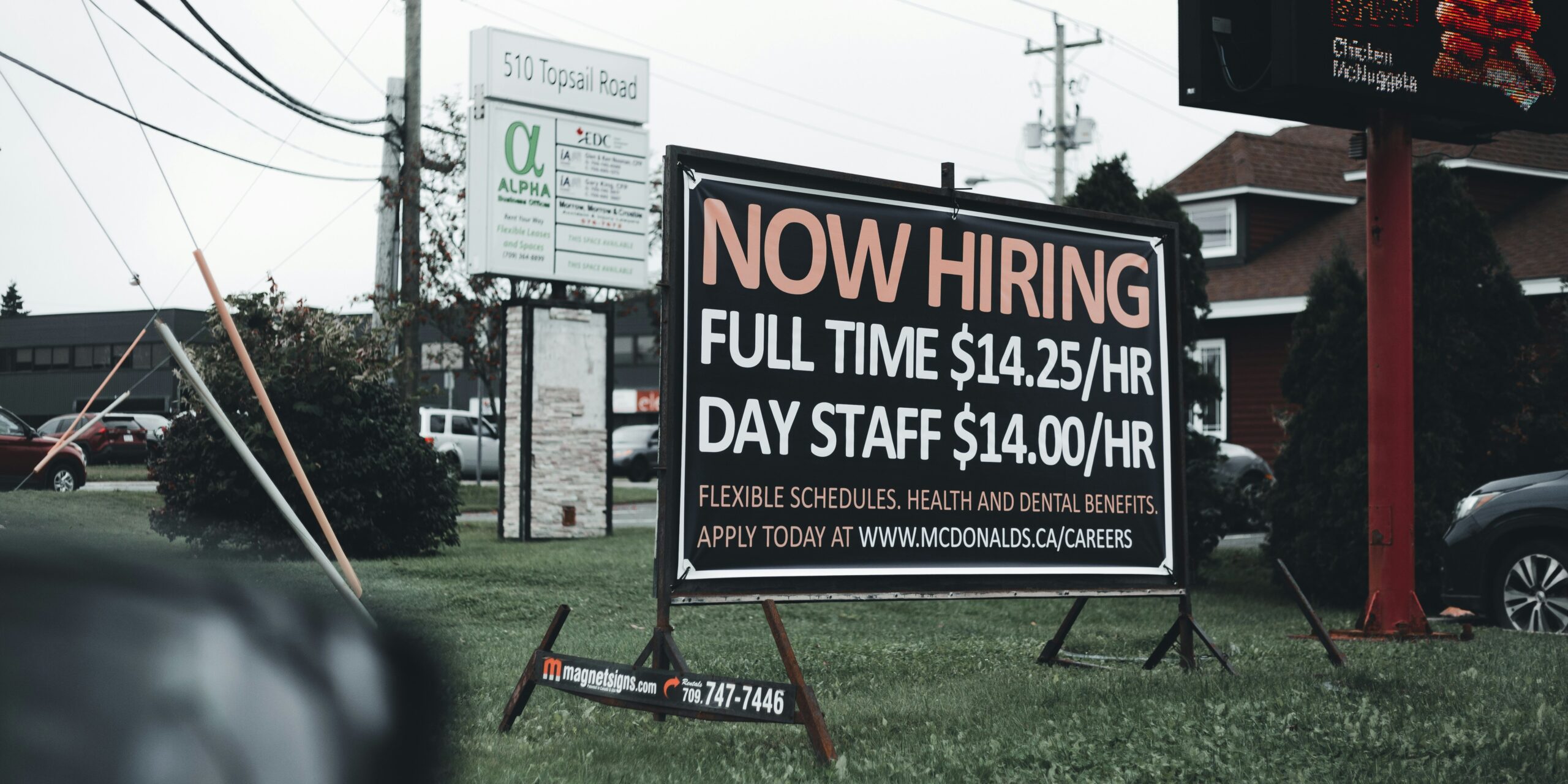
As 2026 unfolds, the mood among U.S. small-business owners remains cautiously optimistic, but they continue to grapple with persistent challenges surrounding workforce recruitment. Although there is a general sense of confidence about business conditions and the future, recent surveys conducted by the National Federation of Independent Business (NFIB) highlight the significant struggles that small-business owners face when it comes to filling open positions. Despite the optimism surrounding economic recovery and the potential for growth, skilled labor shortages are still one of the primary hurdles entrepreneurs must overcome in order to expand their operations and maintain productivity.
In December 2025, a notable portion of small-business owners reported having open job positions that remained unfilled for extended periods of time. This issue is not only limiting growth potential but also exacerbating the difficulties that many small businesses are already facing as they attempt to stay competitive in an ever-changing market. Even though there has been some improvement in the overall business climate, the labor market remains tight, and the demand for skilled workers continues to outpace the available supply.
The shortage of skilled workers has become one of the most pressing concerns for small-business owners, and it shows no signs of abating in the short term. Companies are struggling to find qualified candidates with the necessary skills to fill technical roles, customer-facing positions, and other key operational functions. Labor quality is another challenge, with many business owners finding that even when they do manage to attract applicants, the talent pool does not always meet their expectations. In addition, compensation pressures are mounting, as business owners feel compelled to offer more attractive salaries and benefits in order to compete for top talent. The growing cost of hiring, combined with the scarcity of skilled workers, creates a particularly difficult environment for entrepreneurs who are already operating on tight budgets.
Despite these challenges, the overall sentiment among small-business owners remains positive. Many entrepreneurs are determined to push through these workforce-related difficulties by planning to continue hiring and investing in their businesses as part of their growth strategies for 2026. Even with the labor market’s constraints, small-business owners are focused on the long-term success of their companies, understanding that growth requires forward-looking investments in both human capital and business resources.
This determination is reflected in the way small-business owners are adapting their hiring strategies to align with the current state of the labor market. Some entrepreneurs are opting to raise wages and improve benefits packages in an attempt to make their companies more appealing to potential employees. Others are choosing to invest in employee training programs to develop the talent they need internally. This shift toward fostering talent from within is an important strategy for addressing both the shortage of skilled workers and the issue of labor quality, as it allows businesses to mold employees to fit their specific needs while providing opportunities for professional growth.
Technology and automation are also becoming increasingly important in small-business operations. In response to the difficulties in hiring sufficient staff, many small-business owners are turning to technological solutions that can help streamline processes and reduce the dependency on manual labor. By adopting tools that automate routine tasks and improve efficiency, businesses can mitigate some of the challenges caused by a limited workforce. This investment in technology not only helps businesses operate more efficiently but also frees up resources that can be allocated toward other strategic growth initiatives.
While these challenges are certainly not easy to navigate, the resilience of small-business owners remains a defining characteristic of the U.S. entrepreneurial landscape. They continue to demonstrate a remarkable ability to adapt, investing in their businesses and finding creative solutions to workforce-related issues. These efforts are crucial in ensuring that small businesses remain competitive and poised for growth, even in the face of a tight labor market.
As 2026 progresses, it will be interesting to see how these strategies evolve and whether small-business owners can successfully overcome the hurdles that currently stand in their way. The combination of a strong entrepreneurial spirit, strategic investments in talent, and a focus on technological innovation will be key to helping small businesses not only survive but thrive in the years to come. While challenges remain, the ongoing optimism and determination of small-business owners provide hope that the future holds opportunities for growth and success, regardless of the obstacles they face in the labor market.
Read Also: https://bizweekly.com/jpmorgan-embraces-ai-to-boost-efficiency-and-reduce-hiring/