Russia Invades Ukraine – U.S. Response
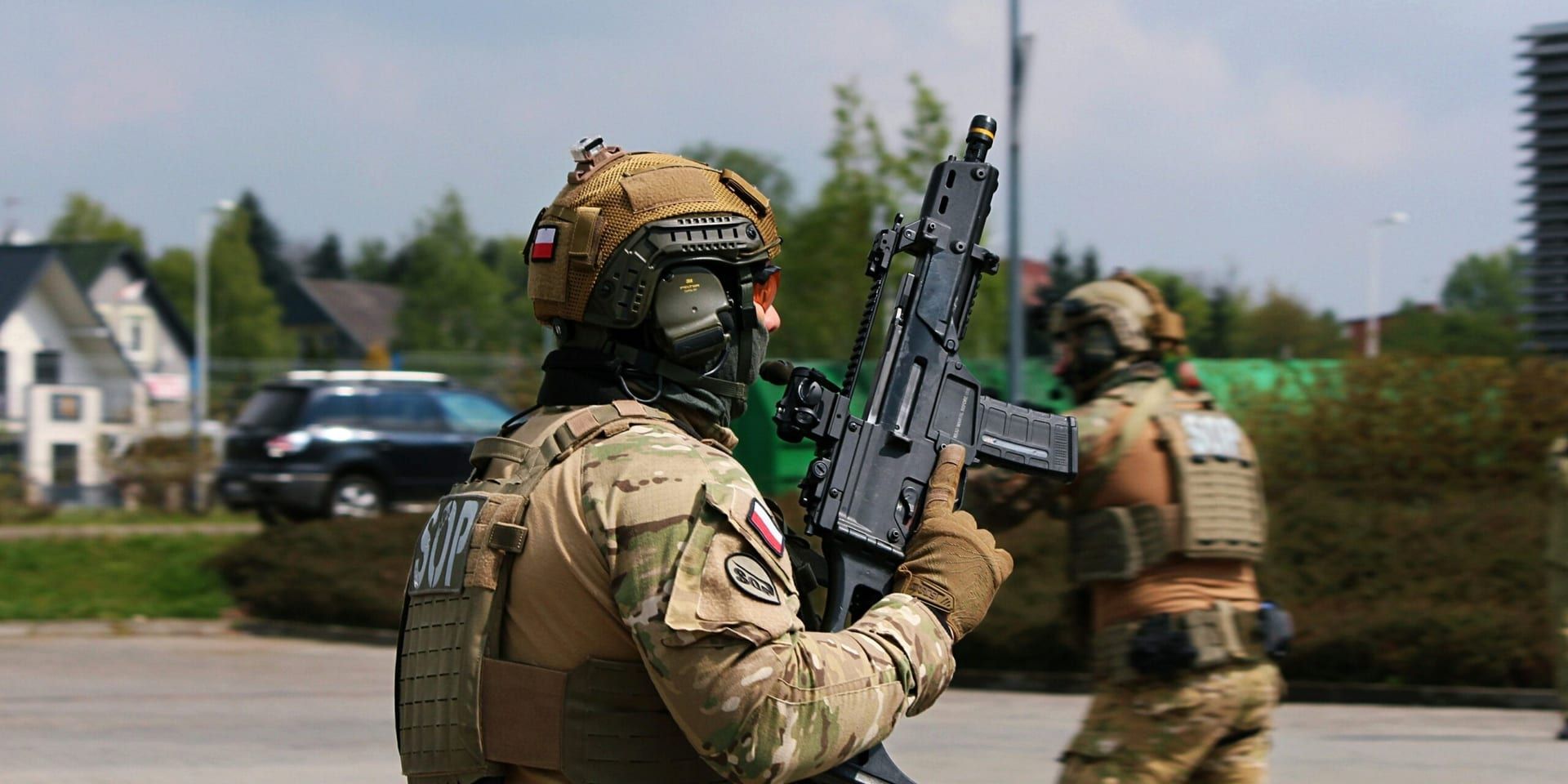
On February 24, 2022, the world was rocked as Russia launched a full-scale invasion of Ukraine, marking a significant escalation in a conflict that had begun in 2014. The move, which President Vladimir Putin described as a “special military operation,” quickly drew widespread condemnation from the global community, with the United States leading the charge in response. Within hours of the invasion, President Joe Biden addressed the nation, condemning Russia’s actions as an “unprovoked and unjustified war of aggression.”
The invasion not only threatened Ukraine’s sovereignty but also posed a grave risk to European security and the broader international order. As Russian forces advanced, the United States swiftly implemented a series of sanctions designed to cripple the Russian economy and deter further military escalation. These measures marked a turning point in international relations, reshaping global geopolitics and economics.
U.S. Response to Russia’s Invasion
In response to Russia’s aggressive actions, the U.S. immediately focused on economic measures. President Biden emphasized that the sanctions were designed to isolate Russia economically, targeting key sectors of its economy, including the banking, energy, and defense industries. The U.S. imposed severe financial sanctions, freezing the assets of major Russian banks and cutting them off from the international financial system.
One of the most significant moves was the decision to remove several major Russian banks from the SWIFT system, which is the global network that facilitates secure financial transactions. This move severely restricted Russia’s ability to engage in international trade and finance, potentially causing significant economic damage. The impact of this action was felt worldwide, as financial markets reacted to the sudden uncertainty.
Sanctions on Russian Oligarchs and Government Officials
Alongside financial sanctions, the U.S. targeted key individuals within Russia’s elite circles. The sanctions aimed to punish prominent Russian oligarchs, government officials, and entities linked to President Putin’s administration. High-ranking Russian officials, including members of Putin’s inner circle, had their assets frozen and were banned from traveling to the U.S. and other Western countries.
The sanctions also extended to Russian state-owned companies and major industries, including the defense and aerospace sectors. The U.S. and its allies worked to sever Russia’s access to critical technologies, particularly those used in military and aerospace industries, thereby limiting Russia’s ability to enhance its military capabilities.
Energy and Trade Sanctions
Given Russia’s role as one of the world’s largest producers of oil and natural gas, energy sanctions became a central part of the U.S. strategy. The U.S. imposed restrictions on the export of crucial technologies to Russian oil and gas companies, effectively preventing them from accessing advanced equipment needed for energy exploration and extraction.
Though the U.S. did not immediately move to ban Russian oil and gas imports—given Europe’s reliance on Russian energy—the Biden administration pushed for European allies to reduce their dependence on Russian energy exports. This effort marked a significant shift in energy diplomacy, as countries sought alternatives to Russian supplies.
Military and Humanitarian Support for Ukraine
While sanctions were the centerpiece of the U.S. response, the United States also began to provide significant military and humanitarian aid to Ukraine. In the days following the invasion, the U.S. sent military equipment, including defensive weapons, ammunition, and radar systems, to bolster Ukraine’s ability to defend itself against the Russian assault.
Furthermore, the U.S. provided critical intelligence support, assisting Ukraine in targeting Russian military positions and strengthening its defense strategy. In addition to military aid, the U.S. sent financial and humanitarian assistance to support Ukrainian civilians affected by the conflict. This aid included food, medical supplies, and emergency shelter for those displaced by the violence.
The Global Impact of the Invasion
The Russian invasion of Ukraine and the subsequent U.S. response had far-reaching consequences for global trade, security, and diplomacy. As the conflict escalated, global markets were destabilized, with oil and gas prices soaring due to concerns over supply disruptions. The war also disrupted trade routes and led to a shortage of critical goods in some regions, further complicating an already fragile global supply chain.
The geopolitical landscape shifted dramatically as well. NATO, long a subject of contention between Russia and the West, found itself at the center of the crisis. While NATO did not engage directly in the conflict, it provided significant support to Ukraine, strengthening its presence in Eastern Europe and reasserting its commitment to the security of its members.
Additionally, the U.S. and its allies led efforts to isolate Russia diplomatically on the global stage. Russia faced unprecedented condemnation at the United Nations, where countries condemned the invasion and called for an immediate cessation of hostilities.
Long-term Geopolitical and Economic Shifts
The invasion of Ukraine and the U.S. response ushered in a new era of geopolitical tensions. Sanctions against Russia have remained in place and expanded as the conflict dragged on, forcing countries and companies around the world to adapt to a shifting economic landscape. The war also highlighted vulnerabilities in the global energy market, prompting nations to reconsider their energy dependencies and seek alternative sources of supply.
Furthermore, the invasion reshaped global alliances, as countries aligned themselves with either Russia or Ukraine, creating new dynamics in international relations. The ongoing conflict and the U.S. response also emphasized the growing importance of cybersecurity, information warfare, and the role of technology in modern conflicts.
Conclusion
The Russian invasion of Ukraine on February 24, 2022, was a pivotal moment in modern history. The U.S. response—centered on economic sanctions, military aid to Ukraine, and diplomatic isolation of Russia—has had a profound impact on the global order. As the war continues, the world is left grappling with the broader implications for international trade, security, and diplomacy.
Biz Weekly Contributor
Covers business, leadership, and entrepreneurship, highlighting emerging companies and the people behind them.
This article features partner, contributor, or branded content from a third party. Members of the Biz Weekly editorial staff were not involved in the creation of this content. All views and opinions are those of the contributor alone.