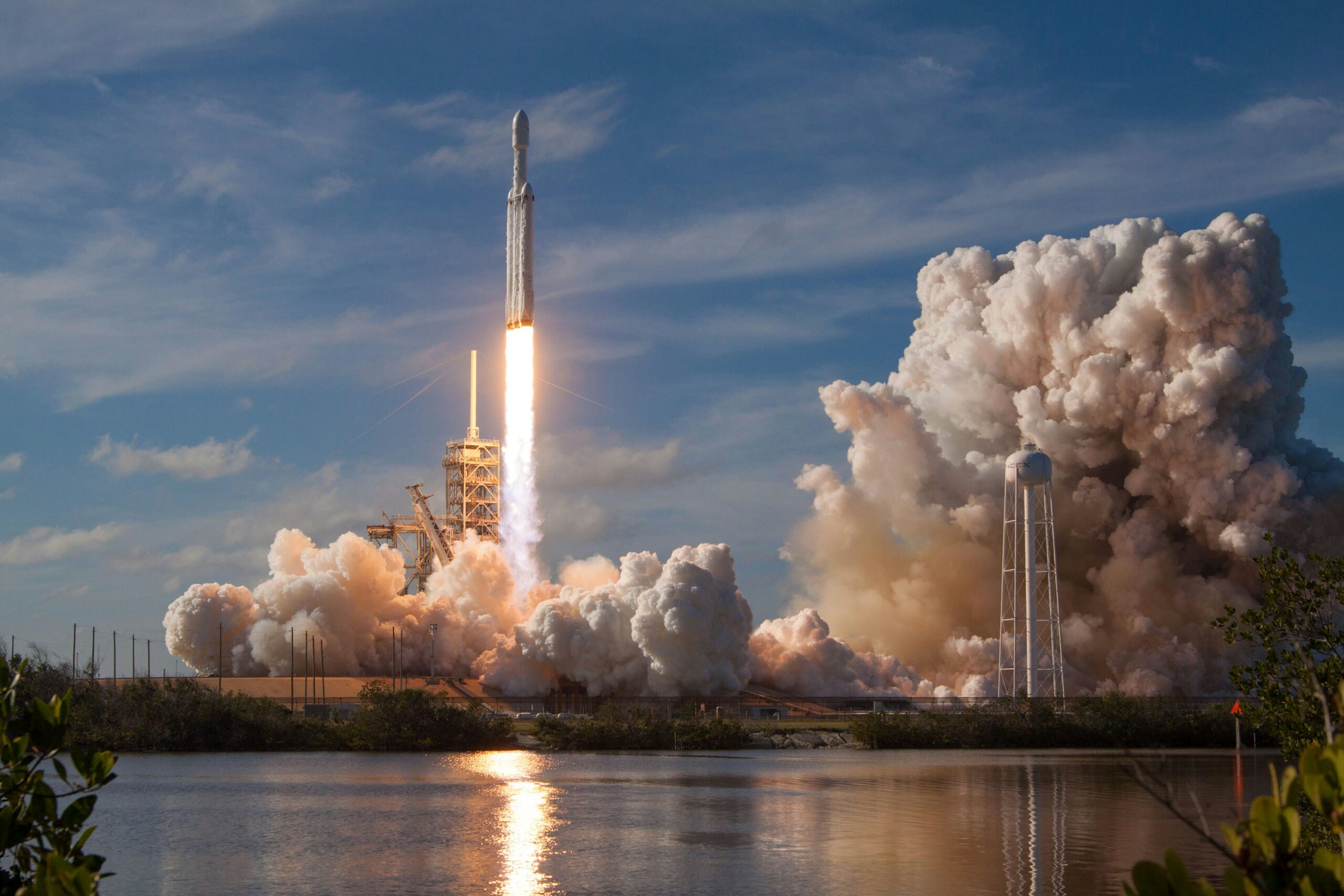
The U.S. private space sector is entering a transformative phase, as investor enthusiasm returns to high-growth frontier technologies with national security relevance. Backed by a mix of venture capital, corporate interest, and strategic defense investments, space-focused startups are set to see a significant funding boom in 2025. This forecast comes on the heels of a new report from Seraphim Space, which recorded $8.6 billion in global investment flowing into space startups in 2024 alone.
Much of that momentum is being driven by escalating geopolitical competition, particularly between the United States and China. As both countries expand their ambitions in orbit and beyond, space has become a key domain for economic leadership, national defense, and technological supremacy. The result is a renewed emphasis on public-private partnerships, where startups are increasingly seen not just as commercial ventures, but as essential components of U.S. strategic infrastructure.
Several major funding deals in late 2024 offer a glimpse into the sectors gaining the most traction. Firefly Aerospace, which specializes in launch services and lunar delivery capabilities, raised $175 million in a round that vaulted its valuation past the $2 billion mark. Firefly’s dual role—serving commercial satellite customers and participating in NASA and military contracts—reflects the growing expectation that successful space companies must be adaptable across both civilian and defense use cases.
One of the most attention-grabbing moves came from Apple, which acquired a 20% stake in satellite communications firm Globalstar for $1.5 billion. The deal hints at a broader trend of big tech entering the space sector, especially in the realm of direct satellite-to-device connectivity. Apple’s involvement validates the sector’s long-term value and is likely to encourage similar investments from other consumer technology firms seeking a stake in the infrastructure of global communications.
SpaceX continues to anchor the industry with its dominant presence. A secondary sale of shares late last year valued Elon Musk’s company at around $350 billion—highlighting its unmatched role in space transportation, satellite deployment, and global internet services through the Starlink network. SpaceX’s continued growth has elevated expectations for the wider ecosystem, reinforcing investor confidence in the profitability and scalability of space ventures.
Looking ahead, analysts predict that the next wave of venture funding will heavily favor founder-led startups developing key components for space operations. Satellite manufacturing firms offering modular, cost-efficient spacecraft are gaining traction, along with imaging startups providing high-resolution, real-time data for applications in agriculture, climate monitoring, and defense intelligence. Propulsion technologies, particularly those improving in-orbit maneuverability and reducing launch costs, are also attracting strong interest.
Public support remains a crucial pillar. NASA, the Department of Defense, and the U.S. Space Force have all increased collaboration with private companies to accelerate mission timelines and reduce development costs. Through initiatives like the Commercial Lunar Payload Services (CLPS) program and the Space Development Agency’s proliferated LEO constellation efforts, federal agencies are fostering a robust commercial supplier base for critical missions.
This hybrid model—where public institutions provide early contracts and validation, and private capital supplies scaling funds—has created a fertile ground for innovation. It also ensures that companies stay competitive globally, particularly as China continues to advance its state-led space initiatives and invest heavily in its own satellite and launch capabilities.
Beyond government support, the broader commercial applications of space infrastructure are also fueling investor interest. Startups focused on Earth observation, in-space manufacturing, satellite servicing, and space debris mitigation are seen as central to the long-term sustainability of the orbital economy. These companies offer scalable platforms that could support not just national goals, but also commercial sectors ranging from insurance to environmental science.
Industry experts expect the first half of 2025 to be particularly active in deal-making, spurred by strong year-end performance and favorable signals from public markets. With more space startups reaching technical maturity and showing early revenue, late-stage investors are returning to the sector with renewed confidence.
In sum, the American space startup landscape is undergoing a profound shift. What was once viewed as a niche sector for speculative investment is now becoming a centerpiece of global competition, national policy, and commercial infrastructure. For founders, investors, and policymakers alike, 2025 could mark a turning point—when the private space industry moves from promise to permanence.