Luisanna Lara Is Turning Cross Border Experience Into A New Model For People Strategy
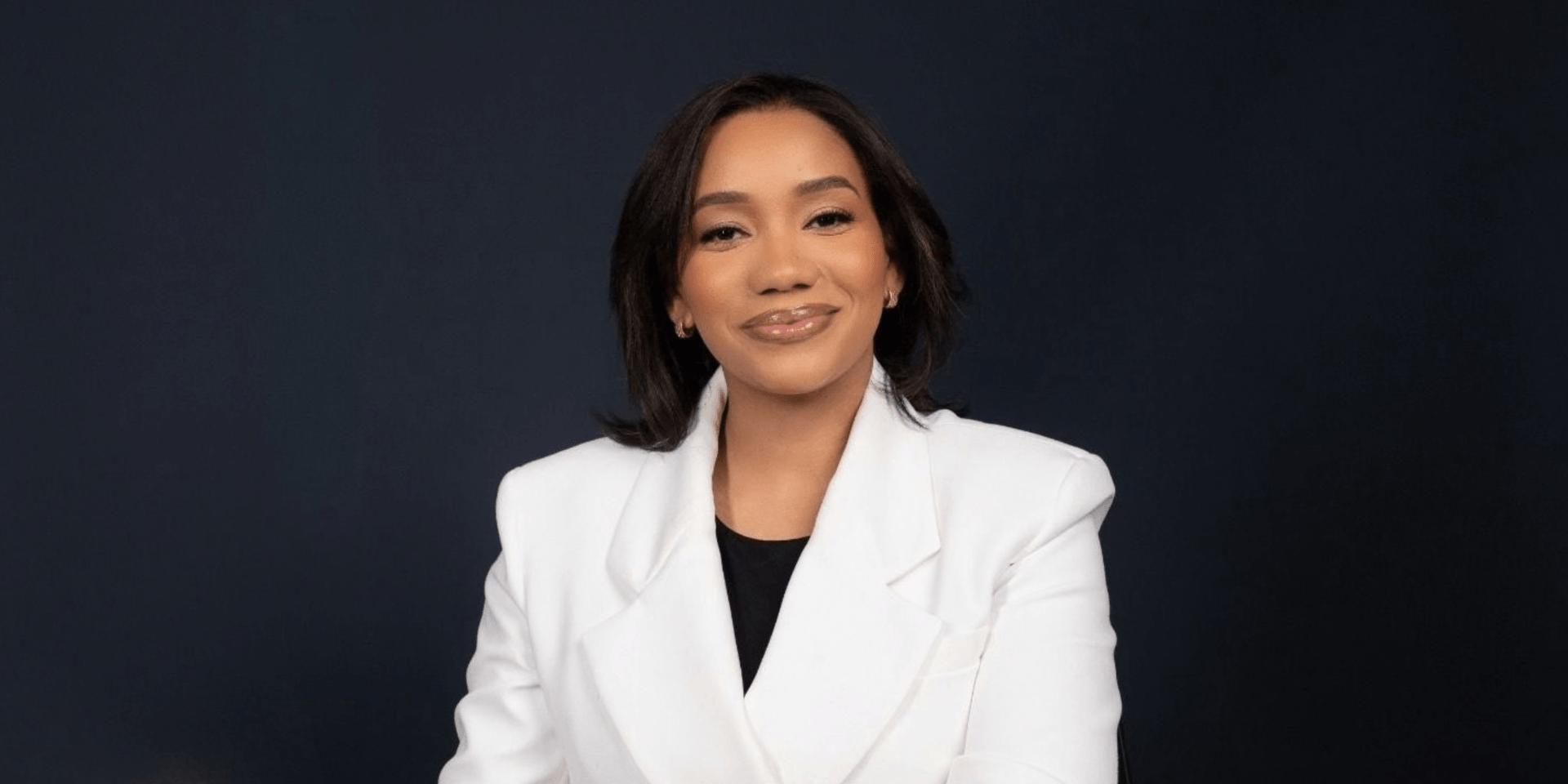
Luisanna Lara applies years of multinational HR experience to help bridge corporate strategy and Latin American operations.
A corporate decision can travel thousands of miles in seconds. Making that decision work inside a local organization is much harder. Policies written at headquarters encounter different workplace cultures, leadership expectations, labor environments, and business realities. For Luisanna Lara, that gap between corporate intention and local execution is where some of the most important work in human resources begins.
Lara has spent more than a decade building people functions within multinational hospitality groups, financial technology companies, and health services organizations across the Caribbean and Latin America. Her experience has centered on a demanding assignment: taking broad corporate standards and turning them into organizational structures, policies, leadership practices, and talent systems that can function in the markets where employees actually work.
"Latin America is not a market that needs to be explained to the United States," Lara says. "It needs people who have already done the work on both sides and can translate that experience into something a company, large or small, can actually use."
Luisanna Lara Builds The Infrastructure Behind The Workforce
Many human resources professionals inherit an established department. Lara's career has repeatedly placed her closer to the starting line.
During periods of expansion, transition, and organizational change, she has helped build HR infrastructure from the ground up. That work has included organizational design, governing policies, competency frameworks, and leadership pipelines. The objective is not simply to create processes. It is to create a system that leaders and employees can continue using as the organization evolves.
That difference matters because a policy alone cannot solve an operational problem. A leadership framework has little value if managers cannot apply it. An organizational chart does not create accountability unless employees understand how decisions are made.
Lara's approach focuses on connecting those pieces.
"I have spent my career on the side of the business that has to make headquarters' decisions real for the people doing the work," she says. "That is a skill set, not a formality, and it travels well into the U.S. market."
Her experience across three distinct industries has also allowed her to test that philosophy in very different environments. Hospitality, financial technology, and health services each present their own workforce demands. Yet Lara's work has consistently centered on a common question: How can an organization create people systems strong enough to support its business goals while remaining practical for the local workforce?
Cross Border Growth Requires More Than Translation
For multinational organizations, the answer becomes more complex.
Corporate headquarters may define the standards, but local operations must interpret and implement them. That requires an understanding of more than language. Leadership expectations, workplace norms, employee relationships, and local requirements can all influence whether a corporate initiative succeeds once it reaches another market.
Lara describes this ability as cultural fluency.
"You cannot outsource cultural fluency to a policy document," she says. "Someone still has to sit in the room and make the two sides understand each other, and that is the work I do."
Her bilingual and multicultural background gives her a perspective shaped by years of working between multinational corporate expectations and Latin American operating environments. Instead of treating those perspectives as competing priorities, her work seeks to create structures that both sides can understand and trust.
That ability can become especially valuable when organizations enter new markets or expand teams across borders. A company may know where it wants to go, but execution depends on whether its people systems can support the journey.
The Real Test Is What Remains
Perhaps the clearest expression of Lara's philosophy can be found in what happens after her direct involvement ends.
Systems she helped establish have continued beyond her tenure. Leaders she trained have gone on to manage teams themselves. For Lara, those outcomes reflect an important principle: effective people strategy should create organizational capability rather than dependence on a single executive.
A strong HR structure should help future leaders make better decisions. A leadership pipeline should continue producing capable managers. Policies should provide clarity while remaining useful in daily operations.
That emphasis on durability distinguishes Lara's approach from consulting that focuses primarily on optimizing an existing system. Her experience is rooted in building the system itself and creating the conditions for it to continue functioning.
It also explains why her methodology has traveled across industries. The specific challenges may differ, but organizations still need clear responsibilities, capable leaders, practical policies, and a structure that connects talent decisions with business priorities.
From Latin American Operations To The U.S. Market
Lara is now looking toward the U.S. market, where her cross border experience offers another application for the systems she has spent years developing.
"The United States does not need another explanation of why the Latino market matters," Lara says. "It has had that conversation for years. What it needs is people who already know how to operate inside it."
Her perspective shifts the conversation from awareness to execution. Recognizing the importance of Latin American talent, partners, and consumers is one thing. Building organizations capable of working effectively across those business environments is another.
That is where Lara believes her experience can create value.
For companies expanding across borders, leaders managing multicultural teams, and organizations seeking stronger connections with Latin American markets, the central question is no longer simply whether cultural understanding matters. It is how that understanding becomes part of the organization's structure, leadership, and everyday decisions.
Luisanna Lara has spent her career working on that question from inside multinational organizations. As she brings that experience toward the U.S. market, her message is straightforward: successful cross border growth requires more than translating words. It requires translating strategy into systems that people can actually use.
Business leaders exploring cross border growth and stronger people systems can follow Luisanna Lara's work to examine how cultural fluency, leadership development, and organizational design can help turn international strategy into practical execution.
Follow her on LinkedIn.
Biz Weekly Contributor
Covers business, leadership, and entrepreneurship, highlighting emerging companies and the people behind them.
This article features partner, contributor, or branded content from a third party. Members of the Biz Weekly editorial staff were not involved in the creation of this content. All views and opinions are those of the contributor alone.