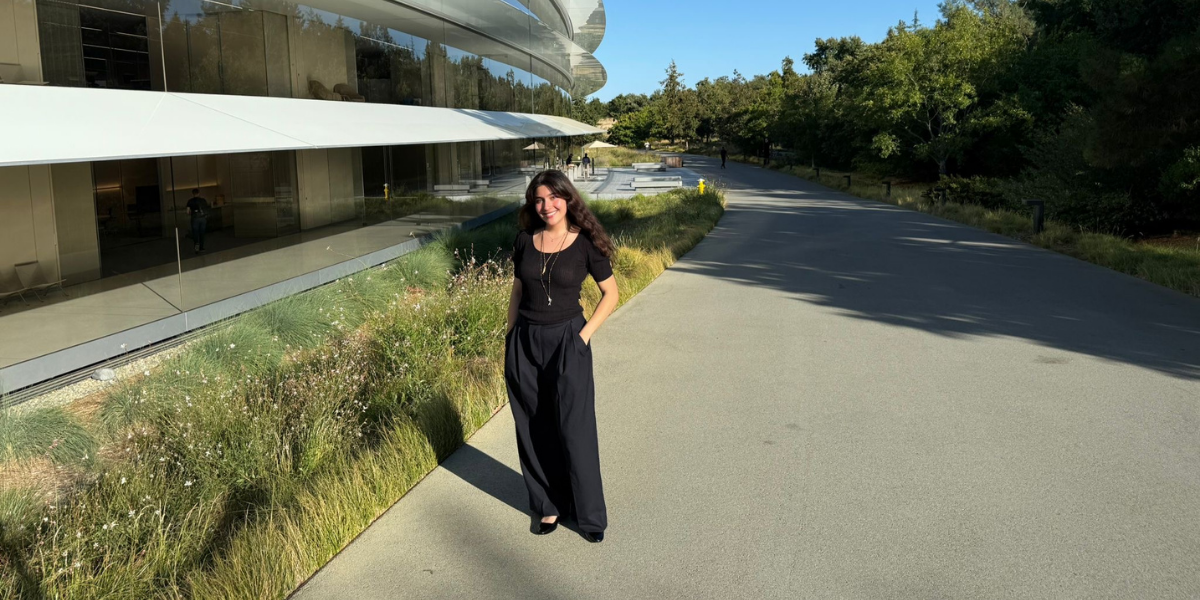
Explore how Anna Belhassen is transforming adaptive sports by designing innovative technologies that ensure fairness and inclusivity, starting with wheelchair fencing.
The Biomedical Engineer Changing How We Measure Fairness in Sport
For athletes, fairness is fundamental. Whether in a professional stadium or a local competition, every participant deserves a level playing field, a chance to demonstrate their skill, effort, and determination without the interference of bias or error. But in adaptive sports, particularly wheelchair fencing, ensuring fairness is no simple task. That’s where biomedical engineer Anna Belhassen has made her mark, creating technology that not only makes adaptive sports more inclusive but also provides a more objective way to measure fairness.
Anna’s work, particularly her role in designing a groundbreaking sensor mat for wheelchair fencing, demonstrates how engineering and empathy can work hand in hand to address real-world challenges. Her team’s innovative design has reshaped the way the sport is judged, allowing for more accurate and unbiased assessments, while still respecting the athletes’ performance. This project, developed during her time at Imperial College London, is just one example of Anna’s deep commitment to creating technologies that make a meaningful impact on the lives of athletes with disabilities.
The Problem: Fairness in Adaptive Sports
Adaptive sports face a unique challenge: ensuring fair competition while considering the varying abilities of athletes. In wheelchair fencing, for example, an important foul is when an athlete lifts off of their wheelchair to reach their opponent across from them. Traditional judging methods relied heavily on human judgment, which can be subjective and prone to error. This lack of precision not only posed a challenge for judges but also created potential frustrations for athletes, as inconsistencies in scoring could affect their experience and confidence.
Recognizing the limitations in the existing system, Anna took it upon herself to find a solution that would level the playing field for all participants. “I have always believed that fairness in sport shouldn’t depend on human judgment alone. Engineering gives us the tools to make competition more objective,” Anna explains. It was this belief that fueled her work on creating a more precise and inclusive way to measure performance in adaptive sports.
The Solution: A Pressure-Sensing Mat for Wheelchair Fencing
 Anna and her team at Imperial College London designed a cutting-edge, piezoresistive pressure-sensing mat specifically tailored for wheelchair fencing. The mat uses advanced technology to detect the points of contact between the athletes and their wheelchairs. By doing so, it provides an accurate, objective signal of whether an athlete has committed a foul, eliminating the subjectivity and inconsistencies that had plagued the sport for years.
The mat works by sensing the pressure changes when the athletes lose contact with their wheelchair seat, instantly determining whether a foul has been committed. This system ensures that the results are clear, accurate, and unambiguous. For the judges, it means less reliance on their subjective assessments and more confidence that the scoring process is fair and consistent.
For athletes, this innovation ensures that their performance is measured based on their actual skill, rather than the potential human error in traditional judging methods. As a result, the technology has created a more transparent and equitable competitive environment in wheelchair fencing, allowing athletes to focus solely on their performance.
Real-World Impact: Trialed at the 2022 World Cup
The sensor mat was put to the test at the 2022 Wheelchair Fencing World Cup in Pisa, Italy, where it was trialed in actual competition. The results were compelling: the technology not only enhanced the accuracy of scoring but also helped make the sport more accessible by reducing the need for human judgment in certain areas of the competition.
“The introduction of this sensor mat has fundamentally shifted foul detection in wheelchair fencing by reducing judgment bias and drastically improving fairness across matches.” Anna says. The technology’s ability to automatically track points in real-time helped judges make faster, more accurate decisions, while also ensuring that the athletes had an equal opportunity to succeed. With fewer errors in foul detection, athletes could compete with more confidence, knowing that their performance was being measured with greater accuracy.
This project also made a lasting impact on the sport’s accessibility. By automating the judging process, the mat allowed athletes with disabilities to compete without the added pressure of subjective judgments. The system opened up new possibilities for the future of adaptive sports, with the device also being presented with World Abilitisport at the 2023 IPC IWAS Conference in Cairo.
Designing with Empathy: A Human-Centered Approach
What truly sets Anna’s work apart is her focus on designing with empathy, ensuring that the technology serves the athletes and enhances their experience. Anna worked closely with both Paralympic athletes and judges to understand their unique needs and challenges. She didn’t just want to create a technical solution; she wanted to create a system that truly improved the sport for all involved.
By focusing on the needs of the athletes and the judges, Anna was able to design a solution that was not only effective but also user-friendly. This is a hallmark of her approach to engineering: solving complex problems with an understanding of the human experience. As Anna reflects, “It’s not just about making things work, it’s about making sure that technology fits seamlessly into people’s lives, empowering them to do their best without unnecessary barriers.”
The Future of Adaptive Sports and Inclusive Design
The success of the wheelchair fencing sensor mat is just the beginning for Anna. Her work in adaptive sports technology has laid the groundwork for future innovations in other areas of sport and accessibility. As she continues to develop new solutions, Anna remains committed to her mission of making competition fairer, more inclusive, and more objective.
Beyond wheelchair fencing, Anna sees the potential for similar technology to be applied to other adaptive sports, ensuring that all athletes, regardless of their abilities, have the same opportunities to compete and succeed. With her focus on human-centered design, Anna is poised to continue making waves in the world of adaptive sports, developing new technologies that level the playing field for all.
In addition to her work on the sensor mat, Anna’s contributions extend beyond engineering. She is also the co-founder of the Imperial College Neurotechnology Society, where she works to foster collaboration and innovation in the neurotech field. Her work inspires the next generation of engineers, encouraging them to think about how technology can create real-world impact for individuals with disabilities.
Discover More:
To learn more about Anna Belhassen’s work across industries and her innovative approach to design and engineering, connect with her on LinkedIn. Stay up to date with her latest projects and insights as she continues to innovate across industries, shaping the future of design and technology.