Entrepreneurs Embrace the Future of Retail with AR and VR
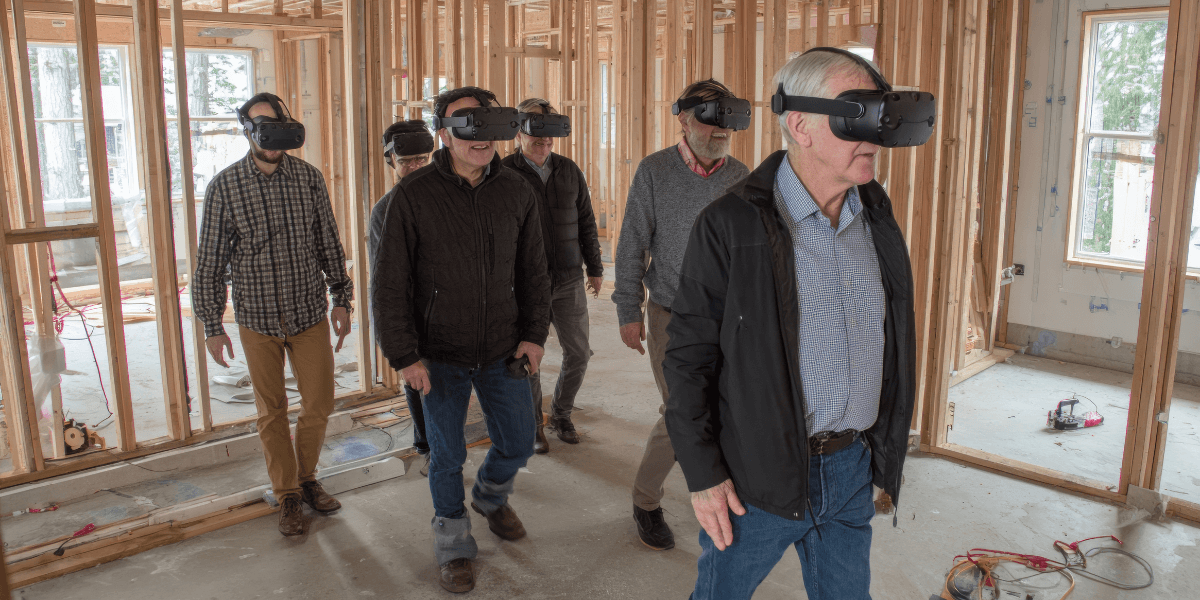
In October 2024, U.S. entrepreneurs are increasingly embracing augmented reality (AR) and virtual reality (VR) technologies to redefine the shopping experience. By offering customers the ability to try on clothes virtually, explore digital storefronts, and visualize products in their own homes, retail businesses are taking customer engagement to a whole new level. The use of these immersive technologies signals a dramatic shift in how consumers shop, creating a dynamic environment for entrepreneurs and retailers to thrive.
The Growing Impact of AR and VR in Retail
The retail sector has undergone tremendous transformation in recent years, driven by technological advancements and changing consumer behavior. With more consumers preferring the convenience of online shopping, businesses are looking for ways to replicate the interactive, sensory experience of physical stores. AR and VR are emerging as powerful tools to enhance the shopping journey, offering consumers a more personalized and immersive way to shop from anywhere.
As of October 2024, startups focused on AR and VR-driven retail innovations have raised significant investments—totaling $2.4 billion in funding. This influx of capital reflects the growing belief that these technologies will become a crucial part of the retail ecosystem, making it easier for businesses to connect with consumers in innovative ways. The investment signals the potential for AR and VR to reshape how products are sold and how brands interact with customers.
Virtual Try-Ons: A Game-Changer for Fashion
One of the most popular applications of AR technology in retail is virtual try-ons. This feature allows customers to try on clothing, shoes, and accessories virtually, without the need to visit a store or physically try on items. Using AR-enabled apps or websites, customers can upload photos or use live cameras to see how different products will look on them in real time.
This solution is particularly beneficial for fashion and beauty brands, offering a seamless shopping experience that eliminates the inconvenience of returns and enhances customer satisfaction. Instead of worrying about whether a dress will fit or if a shade of lipstick will complement their skin tone, consumers can try on various styles and colors virtually, making it easier to make decisions before purchasing. As this technology continues to evolve, entrepreneurs are finding ways to make virtual try-ons even more accurate and personalized, ultimately boosting consumer confidence and brand loyalty.
Immersive Digital Storefronts and Showrooms
Alongside virtual try-ons, AR and VR are also transforming how consumers shop by enabling the creation of fully immersive digital storefronts and showrooms. Unlike traditional online stores that feature static images and descriptions, VR-driven retail environments allow customers to enter fully interactive, 3D spaces where they can explore products, view them from every angle, and interact with virtual sales assistants.
This shift to immersive shopping is particularly appealing to industries like furniture and home décor. With VR tools, shoppers can now visualize how a new couch or coffee table would look in their living room before purchasing. This type of virtual showroom reduces the guesswork in the buying process and helps eliminate returns, as customers can see exactly how a product will fit into their homes before committing to it.
Enhancing the Consumer Decision-Making Process
AR and VR also play a significant role in influencing the consumer decision-making process. By offering engaging, interactive experiences, these technologies make it easier for consumers to evaluate products and make more informed decisions. Whether it’s trying on makeup virtually or exploring cars in 3D, AR and VR empower consumers to interact with products in ways that traditional shopping methods cannot.
For example, in the beauty industry, AR apps let customers virtually try on makeup products, experiment with different looks, and choose what suits them best. Similarly, VR experiences allow car buyers to take virtual tours of vehicles, exploring features like interiors, colors, and specifications. These immersive experiences not only create a more enjoyable shopping journey but also increase consumer trust, as shoppers can feel confident in their choices before making a purchase.
Entrepreneurs Drive Retail Innovation
Entrepreneurs are playing a pivotal role in the integration of AR and VR into retail. These startups are revolutionizing traditional retail models by leveraging emerging technologies to create innovative solutions that engage consumers in meaningful ways. From digital storefronts to virtual try-ons, entrepreneurs are driving forward-thinking initiatives that meet the needs of today’s tech-savvy shoppers.
As the retail space becomes increasingly competitive, entrepreneurs who successfully harness the power of AR and VR will be well-positioned for growth. The accessibility and affordability of these technologies will continue to expand, creating new opportunities for entrepreneurs to differentiate themselves and deliver enhanced customer experiences.
The Future of AR and VR in Retail
The potential for AR and VR in the retail industry is immense, and we’ve only scratched the surface. As both technologies continue to evolve, entrepreneurs are expected to create even more dynamic, engaging, and personalized shopping experiences. Whether it’s virtual stores or augmented reality product displays, these innovations will likely become integral to the retail experience in the years to come.
The $2.4 billion in funding raised by AR and VR startups in 2024 signals that the future of retail is quickly becoming more immersive and technology-driven. As more consumers demand these enhanced, interactive shopping experiences, entrepreneurs who are at the forefront of AR and VR innovation will have a distinct competitive advantage. The future of retail is immersive, and AR and VR are poised to lead the way.
Biz Weekly Contributor
Covers business, leadership, and entrepreneurship, highlighting emerging companies and the people behind them.
This article features partner, contributor, or branded content from a third party. Members of the Biz Weekly editorial staff were not involved in the creation of this content. All views and opinions are those of the contributor alone.