A New Era of Alcohol Wellness: Inside the Rise of LIFELYN
A 24 year old founder turned a personal frustration into LIFELYN, a DHM centered brand built for a changing culture of social wellness.
Steven J. Masten did not begin LIFELYN with a boardroom, a venture fund, or a large team. He began with a problem he knew personally. Masten enjoyed going out and drinking with friends, but he also valued waking up early, going to the gym, working out, and being productive. He disliked feeling as though enjoying one night meant giving up the following day. At 24, that frustration led him to take a leap of faith he had long considered: starting his own company and building a product he truly believed in.
In roughly four months, Masten moved LIFELYN Hangover Support Gummies from an idea to a launched product while bootstrapping the business. He personally handled product development, marketing, partnerships, and retail outreach. The mission was straightforward: create a convenient, DHM centered product for adults who want their social lives and wellness habits to feel less separate.
LIFELYN Hangover Support Gummies And A New Social Ritual
The idea behind LIFELYN developed as Masten searched for a solution to his own problem. What surprised him was how many products he encountered that centered primarily on hydration, electrolytes, and vitamins. Hydration remained important, but he wanted to understand more about what happens inside the body when alcohol is consumed.
That research also led him to recognize what he saw as a larger gap in American wellness culture.
Consumers increasingly pay attention to nutrition, sleep, workout recovery, hydration, supplements, and other everyday habits. Yet Masten felt that mindset often disappeared around alcohol.
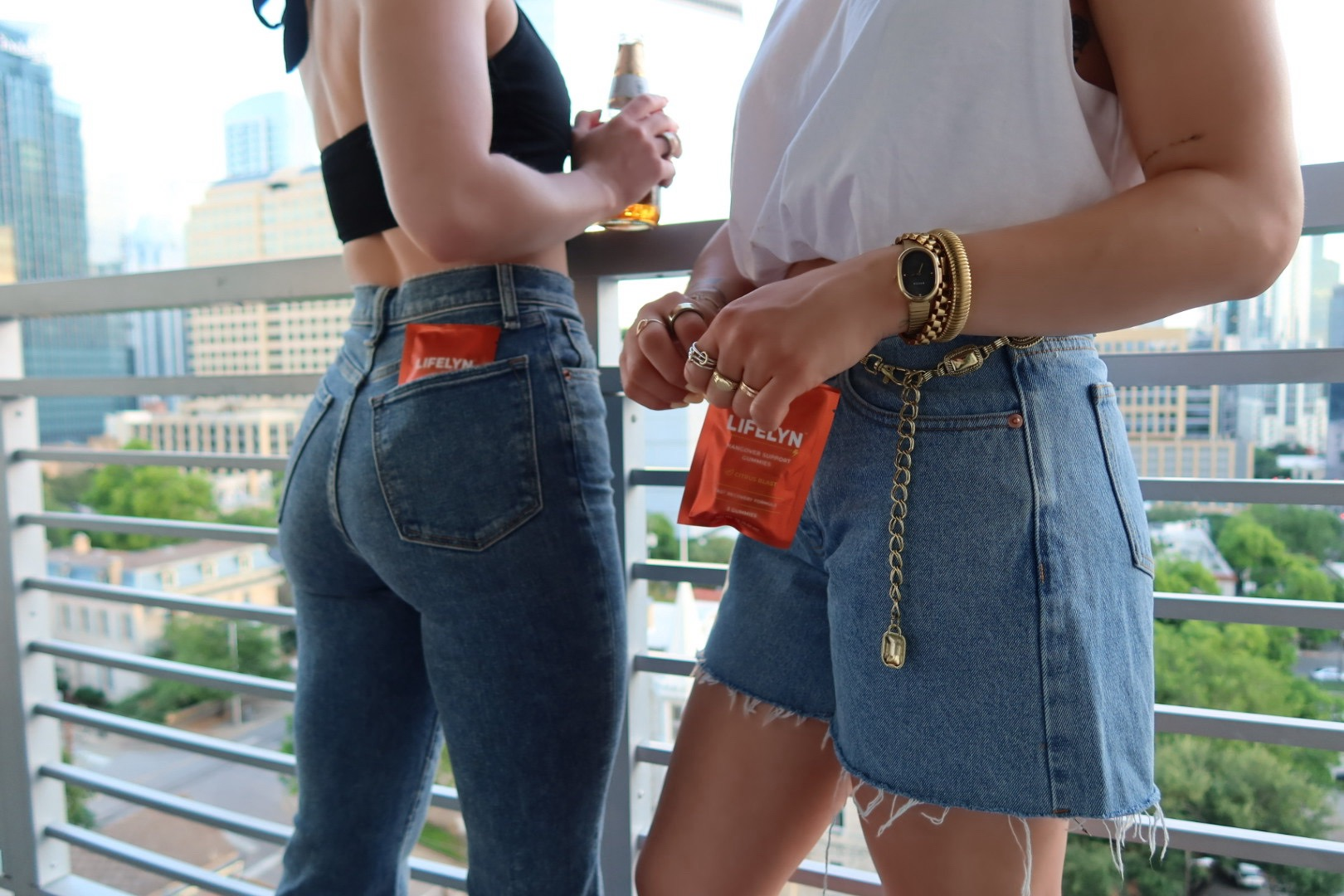
"We spend all week trying to take care of our bodies and then accept feeling terrible after drinking," Masten said.
That observation became the foundation for LIFELYN and led Masten to an ingredient many consumers had never encountered.
That ingredient was DHM.
Discovering The Ingredient Behind LIFELYN
DHM, short for dihydromyricetin, is a naturally occurring flavonoid found in plants including Hovenia dulcis, commonly known as the Japanese raisin tree. Hovenia has a history of traditional use in East Asia in connection with alcohol consumption, while modern research has explored DHM in areas involving alcohol exposure and oxidative stress.
Masten was fascinated by the disconnect. Here was an ingredient with a history of traditional use and growing research interest, yet almost nobody he spoke with in the United States seemed to recognize its name.
That unfamiliarity helped define his opportunity.
"I saw an opportunity to bring DHM to the mainstream American market in a form that was convenient, approachable, and actually enjoyable to take," Masten said.
His research also changed the way he thought about alcohol and the morning after.
When alcohol enters the body, the liver plays a central role in processing it. Ethanol is first converted into acetaldehyde, a reactive compound, before being further metabolized into acetate. Meanwhile, alcohol can also affect hydration, sleep, and other physiological processes.
Understanding that process shaped his approach to formulation: bringing DHM together with familiar wellness ingredients in one portable format.
Building A Formula With A Purpose
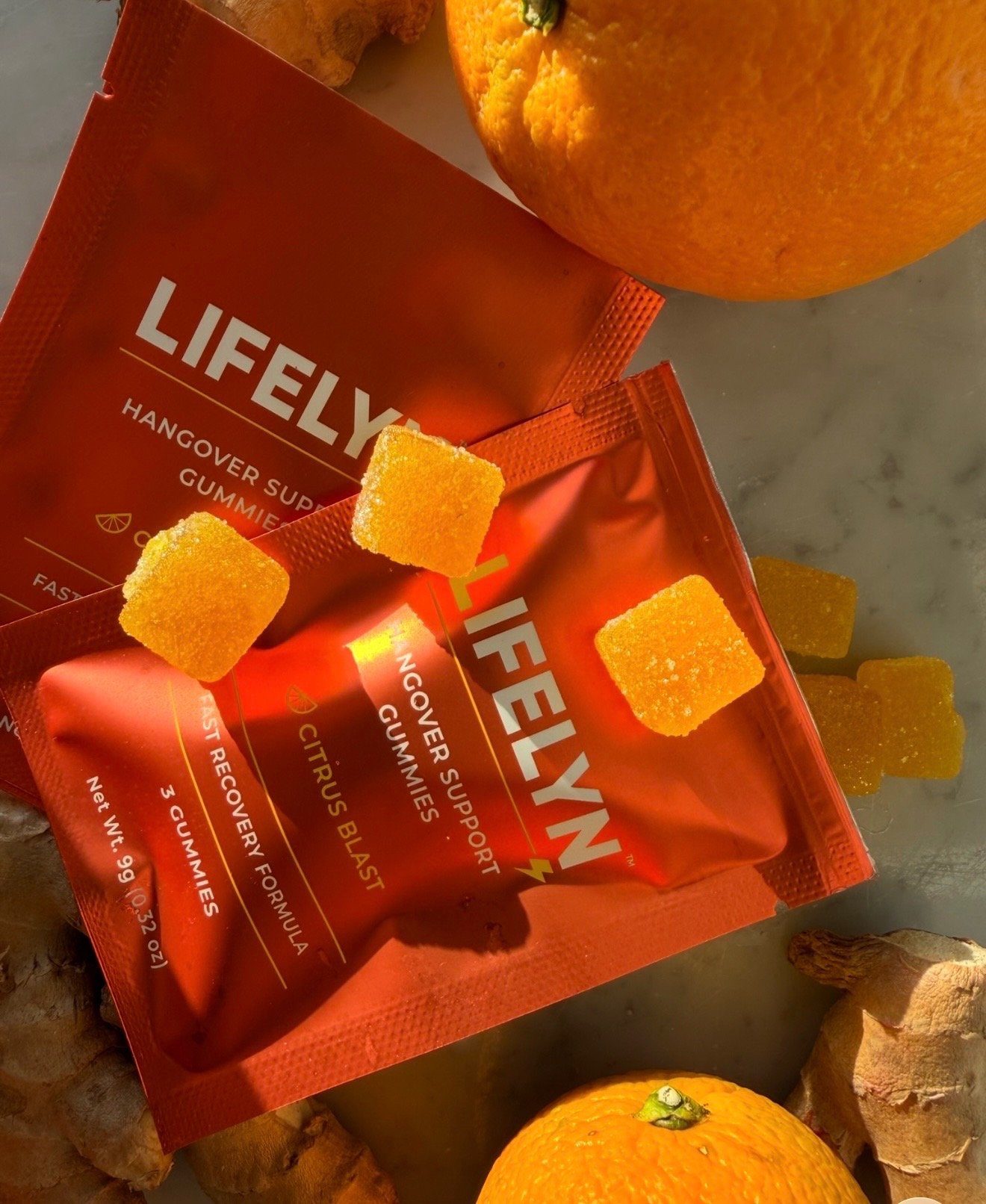
Each serving of LIFELYN consists of three gummies containing 300 milligrams of DHM, along with electrolytes, vitamin B6, vitamin B12, and 50 milligrams of ginger extract.
Every ingredient was selected with a specific purpose in mind. Sodium and potassium are electrolytes that help support normal fluid balance. Vitamins B6 and B12 contribute to normal energy metabolism and nervous system function. Ginger has a long established connection with digestion and stomach comfort.
DHM remains the centerpiece.
Rather than presenting the formula as a replacement for responsible alcohol consumption, LIFELYN positions it as part of a broader alcohol wellness conversation. The brand is designed for adults who enjoy social occasions but also care about the products they consume and the routines they build around those experiences.
The format reinforces that philosophy. LIFELYN comes in an individual three gummy pouch designed to fit into a pocket or purse. The Citrus Blast gummies have an orange inspired flavor, creating an alternative to powders that need to be mixed, drinks that need to be carried, or multiple capsules that need to be swallowed.
That convenience makes the product particularly suited to nights out, travel, weddings, bachelor and bachelorette weekends, and other celebrations.
From Hundreds Of Calls To A Finished Product
Once Masten knew what he wanted to create, the entrepreneurial challenge began.
He reached out to hundreds of manufacturers in search of a company that could help transform the concept into a physical product. Formula development was only one consideration. Dosage, taste, texture, packaging, ingredient standards, and manufacturing all had to come together before LIFELYN could reach consumers.
For a 24 year old founder building his first company without a large corporate infrastructure, the process demanded speed and persistence. "I started LIFELYN as a 24 year old entrepreneur taking a leap of faith and pursuing something I had always dreamed of doing, starting my own business and building a product I truly believed in," Masten said.
Quality also became an important part of the brand's positioning. According to LIFELYN, its gummies are produced in the United States in an FDA registered, GMP compliant manufacturing facility and undergo third party laboratory testing. They are vegan, pectin based, soy free, and seed oil free. The formula also incorporates real fruit concentrate sourced from a California winery.
Those choices reflect Masten's belief that consumers increasingly want to understand what they are buying, particularly when a product sits within the broader wellness category.
Instead of treating those expectations as obstacles, LIFELYN made them part of its identity.
Taking Alcohol Wellness Into Weddings And Events
Since launching, LIFELYN has expanded across multiple online and event focused channels. The company has developed a presence through its own direct consumer operations and major ecommerce and social commerce platforms. It has also moved into the wedding market, where its portable format has created another avenue for growth.
For Masten, the connection makes sense.
Weddings, bachelor and bachelorette parties and trips, destination celebrations, and wedding weekends are precisely the environments the product was designed to fit. The portable packets can be included in hotel welcome bags, offered as wedding favors, or added to guest kits alongside water, snacks, itineraries, and other essentials without requiring additional preparation.
LIFELYN has a presence on The Knot and WeddingWire and is working with multiple wedding and bachelor and bachelorette companies to incorporate the packets into their offerings.
The opportunity is larger than simply placing another item inside a welcome bag. Events give LIFELYN a chance to introduce DHM to consumers in the context where the brand's broader message becomes easiest to understand.
Celebration and wellness, Masten believes, do not have to be opposing ideas.
Why LIFELYN Is Betting On DHM
Hydration products already occupy a familiar place in the wellness market. DHM does not.
Masten sees that unfamiliarity as an opportunity to build a recognizable brand around DHM. For LIFELYN, making the ingredient understandable is as much a part of the business as making it convenient to take.
The strategy presents an obvious challenge. Building a brand around an unfamiliar ingredient means education has to happen alongside customer acquisition. Every package, product page, partnership, and event becomes an opportunity to explain what makes the formula different without overstating what science currently supports.
Yet being early can also create an advantage.
If DHM becomes more familiar to American consumers, LIFELYN wants to be among the brands that helped introduce it. That ambition explains why Masten sees the company as a lifestyle and alcohol wellness brand with a future beyond a single gummy product. Weddings, travel, hospitality, and everyday social occasions are part of that larger vision.
"My goal is bigger than selling a hangover gummy," Masten said. "I want to help create the alcohol wellness category in America, introduce people to DHM, and change the way we think about taking care of our bodies when we drink."
A Different Conversation About The Morning After
What started as one founder trying to solve his own problem has become a broader bet on where wellness culture could be heading.
Some consumers are drinking less. Others are becoming more selective about what they consume. Many already bring wellness considerations into decisions involving food, fitness, sleep, travel, and everyday routines. Masten believes social occasions are a natural next step in that evolution.
His advantage may be that he understands the customer because he began as one.
He knows the group trip, the wedding weekend, the night out with friends, and the desire to wake up ready to return to the routines that matter. Instead of asking people to choose between social experiences and wellness habits, LIFELYN is attempting to build a product for the space where the two meet.
For Masten, the next chapter is about turning that idea into a lasting business. With a product on the market and relationships developing across weddings and events, LIFELYN is moving beyond its founder's personal frustration toward his larger ambition: making alcohol wellness a familiar part of American social life.
Connect with LIFELYN, Instagram, The Knot Reviews, and WeddingWire Reviews.
Biz Weekly Contributor
Covers business, leadership, and entrepreneurship, highlighting emerging companies and the people behind them.
This article features partner, contributor, or branded content from a third party. Members of the Biz Weekly editorial staff were not involved in the creation of this content. All views and opinions are those of the contributor alone.