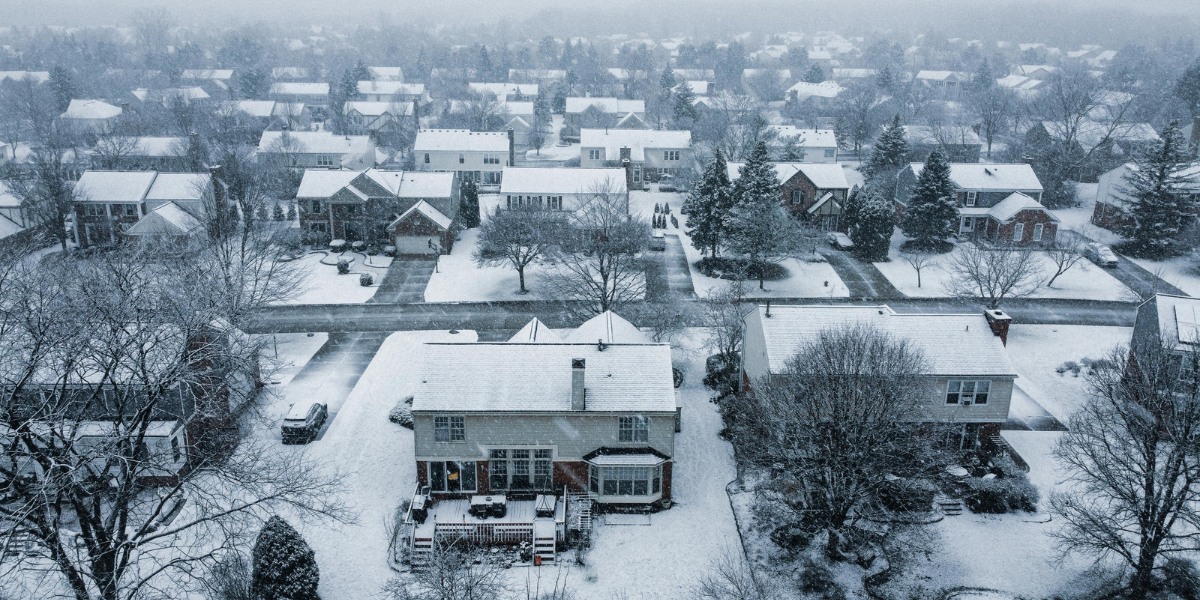
On Thursday, February 26, 2026, the United States continued to grapple with the wide-ranging impacts of a historic late-winter blizzard that struck the Northeastern states earlier this week. The storm, widely referred to as the February 2026 North American Blizzard, has left a profound mark on business operations, travel logistics, infrastructure stability, and regional economic activity.
A Storm of Unprecedented Scale
The blizzard formed on February 20 and dissipated by February 25, bringing intense snowfall and hurricane-force winds across the Northeast and parts of the Mid-Atlantic. Major metropolitan areas including New York City, Boston, and Philadelphia experienced snowfall totals ranging between two and three feet, accompanied by wind gusts nearing 100 miles per hour in some coastal regions.
Officials described the storm as one of the most severe winter events to hit the region in nearly a decade. States of emergency were declared across several states, triggering travel bans, school closures, and coordinated emergency response efforts at local and state levels.
Travel Disruptions and Operational Challenges
One of the most immediate and visible consequences has been widespread disruption across transportation networks. Between February 23 and 24 alone, more than 9,000 flights were canceled nationwide, with thousands more delayed. Major airports, including New York’s JFK, LaGuardia, Newark Liberty International, and Boston Logan, experienced near shutdown conditions at the storm’s peak.
As of February 26, airlines continued to manage schedule adjustments, rebooking backlogs, and aircraft repositioning challenges. Rail systems, commuter lines, and regional bus services also faced temporary suspensions or reduced schedules as crews worked to clear tracks and ensure passenger safety.
For businesses dependent on travel, consulting firms, financial services, hospitality, and logistics providers, the interruptions resulted in postponed meetings, delayed shipments, and revenue slowdowns. Many corporations shifted operations to remote platforms, mitigating some productivity losses but highlighting ongoing vulnerabilities in physical infrastructure.
Power Outages and Infrastructure Strain
Beyond travel disruptions, the blizzard significantly strained regional infrastructure. At the height of the storm, more than 600,000 homes and businesses across the Northeast lost electricity due to heavy snow accumulation and downed power lines. Utility providers mobilized repair crews around the clock, prioritizing hospitals, emergency facilities, and critical services.
Municipal public works departments have continued snow removal and debris clearing efforts into February 26, working to restore full transportation access and prevent secondary hazards such as ice accumulation and flooding from snowmelt.
The event also renewed conversations about grid resilience, aging infrastructure, and the financial implications of climate-driven extreme weather events. Industry analysts note that recovery costs, including overtime labor, equipment repairs, and lost business output, may reach into the hundreds of millions across affected states.
Economic Ripple Effects
The broader economic impact has been multifaceted:
- Retail and Hospitality: Brick-and-mortar retail stores, restaurants, and entertainment venues experienced significant declines in foot traffic during peak storm conditions. However, e-commerce and delivery services saw temporary spikes in demand.
- Supply Chain Delays: Freight transportation slowdowns affected regional supply chains, particularly in perishable goods and time-sensitive deliveries.
- Energy Demand: Elevated heating demand increased short-term energy consumption, placing pressure on natural gas distribution systems.
- Workforce Productivity: Many employers relied on remote work arrangements, underscoring the growing importance of digital infrastructure in maintaining business continuity during extreme weather events.
While economists generally view severe winter storms as causing short-term economic disruption rather than long-term contraction, cumulative weather-related events can meaningfully affect quarterly performance metrics in heavily impacted regions.
Key Takeaways for Businesses and Leaders
As recovery efforts continue, the February 2026 blizzard offers several strategic lessons for business leaders:
- Operational Resilience Is Essential: Organizations with established remote work protocols and contingency supply plans demonstrated greater adaptability.
- Infrastructure Investment Remains Critical: Public and private investment in grid modernization, transit systems, and emergency preparedness can reduce future disruptions.
- Digital Transformation Provides Stability: Cloud-based systems and decentralized workforce models enabled many firms to maintain continuity despite physical shutdowns.
- Weather Risk Management Should Be Proactive: Companies operating in climate-vulnerable regions may need to reassess insurance coverage, facility planning, and emergency logistics strategies.
As of February 26, 2026, restoration efforts are steadily progressing, though some communities continue to face intermittent power and travel challenges. The Blizzard of 2026 stands as a powerful reminder of how interconnected infrastructure, commerce, and climate resilience have become in the modern U.S. economy.