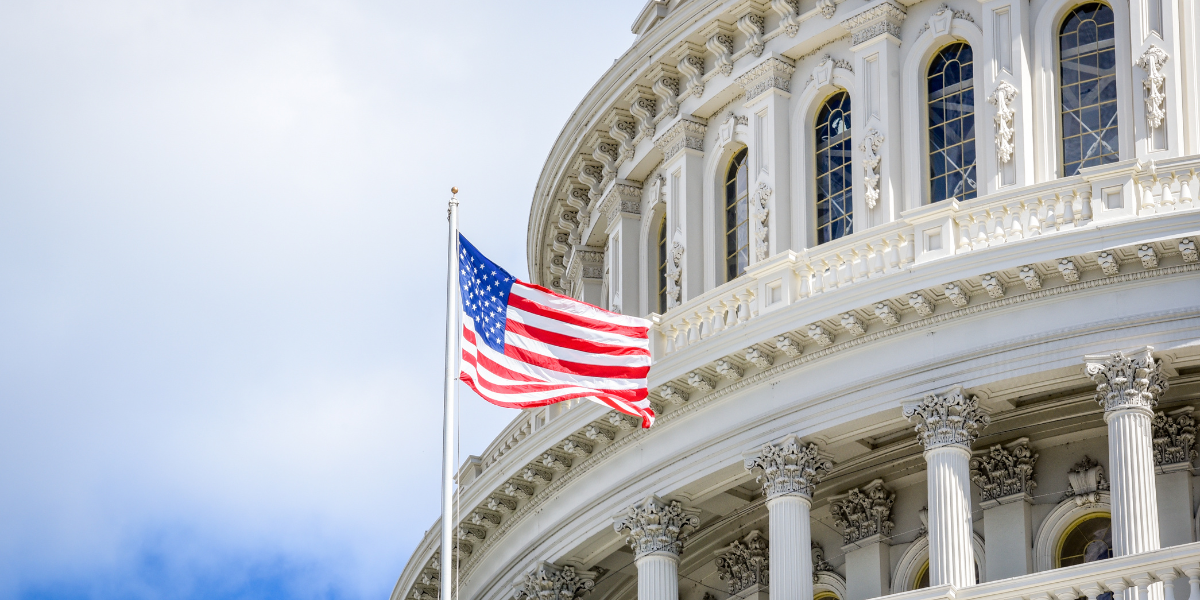
On February 24, 2026, President Donald Trump delivered the 2026 State of the Union address before a joint session of the 119th United States Congress at the U.S. Capitol in Washington, D.C. The annual address, required under the U.S. Constitution, serves as a comprehensive report on the nation’s condition and outlines the administration’s legislative and economic priorities for the year ahead. This year’s speech drew national attention as lawmakers, business leaders, and citizens closely monitored signals about economic performance, regulatory direction, and broader national strategy.
Beginning shortly after 9 p.m. Eastern Time, the address lasted approximately one hour and 48 minutes, making it one of the lengthier State of the Union speeches in recent history. As the first formal State of the Union of the president’s current term, the event carried additional weight, offering insight into the administration’s long-term agenda and its approach to economic management during a pivotal period for the country.
Economic Performance and Market Signals
A central theme of the address was the state of the U.S. economy. The president emphasized economic resilience, pointing to moderating inflation trends and steady, though slower, employment growth. Wage increases across several sectors were highlighted as evidence of continued labor market strength, even as certain industries face adjustments due to global competition and shifting consumer behavior.
Recent economic indicators show a mixed but stabilizing outlook. Consumer confidence saw a modest rebound in February following earlier declines, suggesting cautious optimism among households. For business leaders, these metrics provide important signals about spending behavior and investment potential in the months ahead.
The administration also underscored the importance of maintaining supply chain reliability and domestic production capacity. With global trade conditions evolving and manufacturing competitiveness under review, the speech reinforced the need for policies designed to strengthen U.S.-based operations and enhance workforce readiness.
Infrastructure, Energy, and Workforce Development
Infrastructure investment emerged as another key pillar of the address. The president reiterated commitments to modernizing transportation networks, ports, energy grids, and broadband systems. Such investments carry significant implications for construction firms, logistics providers, technology companies, and regional development initiatives.
Energy policy was framed within the context of both economic growth and national stability. Emphasis was placed on expanding domestic energy production while maintaining efficiency improvements across industries. For energy producers and industrial operators, regulatory clarity and long-term investment signals remain central considerations.
Workforce development initiatives were also featured prominently. The administration outlined plans to expand vocational training, apprenticeships, and partnerships between private employers and educational institutions. As automation and advanced technologies continue to reshape labor demands, workforce alignment remains critical for sustained productivity growth.
National Resilience and External Events
The address came during a week marked by significant national events, including a major winter storm that impacted large portions of the Northeast. The severe weather disrupted transportation systems, strained utilities, and temporarily affected supply chains in key metropolitan areas. While not the focus of the speech, the broader context underscored the importance of infrastructure resilience and emergency preparedness.
Financial markets on February 24 reflected ongoing investor evaluation of corporate earnings, interest rate expectations, and trade developments. Market volatility remained within typical ranges, but analysts continue to monitor how policy direction may influence capital investment and sector performance throughout 2026.
Civic Recognition and National Morale
In addition to economic themes, the president recognized several individuals and groups for achievements in public service and athletics. Members of the U.S. men’s Olympic hockey team, fresh from their gold medal victory at the 2026 Winter Olympics in Milan, were acknowledged during the address. These moments provided a unifying tone amid a politically divided environment and reinforced themes of national accomplishment and resilience.
Such recognitions, while symbolic, often resonate beyond the political sphere. National morale and consumer sentiment can influence business confidence, discretionary spending, and broader economic behavior. Leaders across industries frequently consider these intangible factors when assessing forward-looking strategies.
Implications for Business Leaders
For professionals and investors, the 2026 State of the Union offered several key takeaways:
- Economic Stability with Cautious Optimism: While growth remains steady, moderate consumer confidence and sector-specific challenges suggest businesses should continue measured expansion strategies.
- Infrastructure and Energy Opportunities: Federal emphasis on modernization and domestic production may open new avenues for public-private partnerships and long-term capital projects.
- Workforce Adaptation: Investments in training and skills development are likely to become increasingly central to corporate competitiveness.
- Regulatory and Legislative Direction: As Congress considers upcoming policy proposals, businesses should monitor developments that could affect taxation, compliance standards, and sector-specific regulations.
Looking Ahead
As 2026 progresses toward midterm elections later this year, the policy priorities outlined in the State of the Union are expected to shape legislative debates and economic planning. Business leaders, investors, and entrepreneurs will continue to assess how national strategy translates into actionable policies and market conditions.
The February 24 address served as both a reflection of the nation’s current standing and a forward-looking statement of intent. For the professional community, understanding its themes and implications will be essential in navigating an evolving economic landscape defined by technological change, infrastructure modernization, and global market shifts.