RPS MENA is reshaping social impact in the Middle East, helping NGOs achieve lasting sustainability and growth.
Many non-governmental organizations (NGOs) in the Middle East and North Africa (MENA) region face significant challenges, including political instability, funding shortages, and evolving priorities. These obstacles make it difficult for organizations to achieve lasting impact and maintain operations over the long term. However, there are organizations that are working to support these NGOs, offering strategies and resources to help them navigate these complex environments and build sustainable futures.
Empowering NGOs with Expertise and Innovation
RPS MENA, a consulting firm founded in 2018 with offices in Beirut and Istanbul, has worked with over 90 organizations across eight countries in the MENA region. The firm provides a range of services, including consulting, training, and research, aimed at helping NGOs strengthen their resilience, secure funding, and implement strategies for long-term success.
One key aspect of RPS MENA’s approach is its focus on adapting global best practices to the unique needs of the region. By combining evidence-based strategies with practical field experience, RPS MENA works with organizations to improve their operational effectiveness and better respond to evolving challenges.
Building Resilience for Long-Term Impact
In a region often marked by reactive approaches to challenges, RPS MENA emphasizes the importance of proactive, future-focused strategies. Their work centers on building resilience within NGOs to help them thrive, even amid external pressures. This approach aims not only to help organizations survive but to ensure they are prepared for sustainable growth in the years to come.
One of the innovative tools developed by RPS MENA is the RPS 360° Resilience Framework. This data-driven tool helps NGOs assess their current capacity, identify gaps, and forecast potential challenges, providing actionable insights to improve organizational effectiveness and plan for long-term success. By leveraging technologies like Natural Language Processing (NLP), RPS MENA offers a unique approach to building resilience and preparing organizations for future challenges.
 Addressing Regional Challenges with Tailored Solutions
NGOs across the MENA region face diverse challenges that require tailored approaches. From political volatility to socio-economic shifts, these factors often disrupt the ability of organizations to fulfill their missions effectively. RPS MENA’s ability to understand these region-specific issues and offer customized solutions helps organizations not only navigate these complexities but also capitalize on emerging opportunities. By working closely with local stakeholders and understanding the unique dynamics at play, RPS MENA ensures that the strategies they implement are not only practical but also relevant to the local context, ensuring that NGOs are equipped to thrive in an ever-changing environment.
Fostering Capacity Building and Leadership
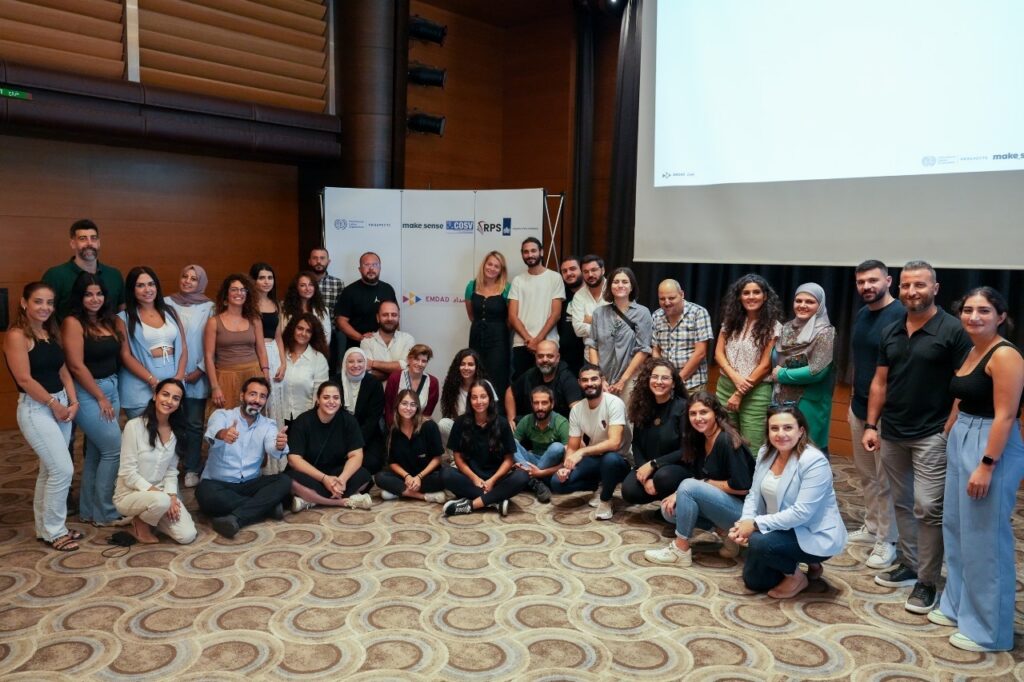
Beyond frameworks and tools, RPS MENA places a strong emphasis on capacity building and leadership development. Their “Learn-Apply-Lead” cycle, based on adult learning theory, is designed to help local leaders not only gain knowledge but apply it directly to real-world challenges. To date, over 3,000 professionals have benefited from RPS MENA’s training programs, which have been integrated into more than 220 projects across the region.
This hands-on approach empowers local leaders to drive change within their organizations, promoting sustainable development and fostering a culture of continuous learning.
Encouraging Collaboration for Greater Social Impact
At the heart of RPS MENA’s work is a commitment to collaboration. Through the Social Impact Community platform that it is launching in 2026, RPS MENA will foster partnerships between NGOs, donors, and social entrepreneurs. This collaborative ecosystem allows organizations to share resources, strengthen partnerships, and collectively tackle some of the most pressing social challenges in the region.
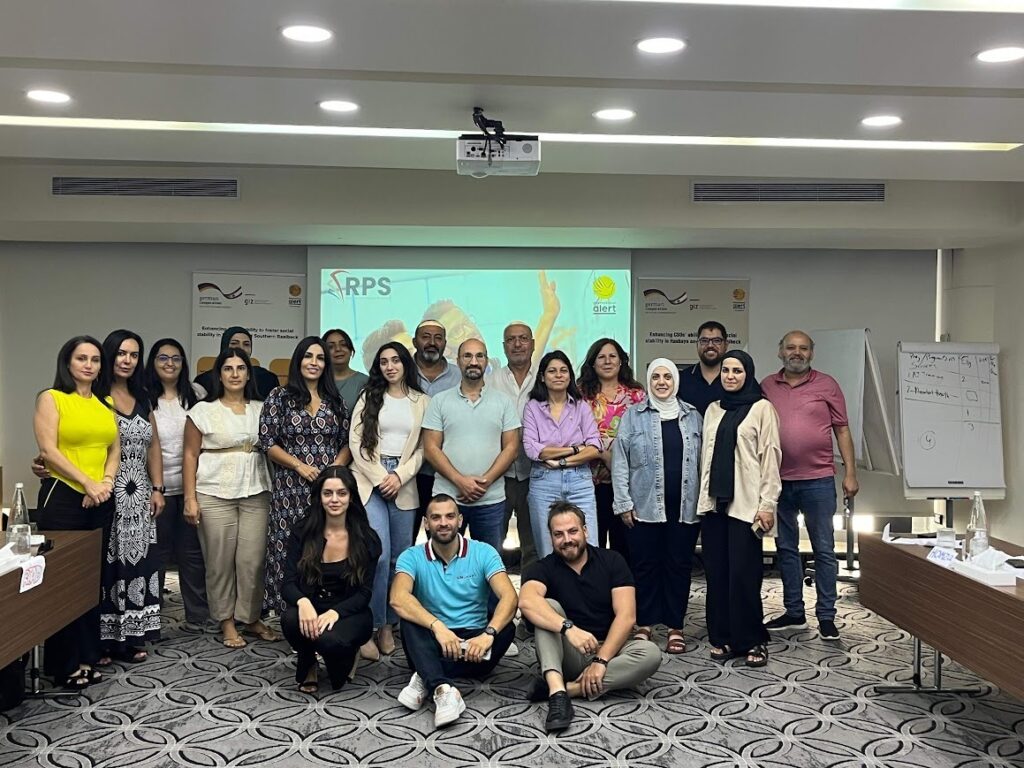 By emphasizing collaboration, RPS MENA is helping to create a more connected and supportive network of organizations across the MENA region, enabling them to work together toward shared social impact goals.
Conclusion
As the social landscape in the MENA region continues to evolve, organizations that prioritize long-term sustainability and strategic growth are better positioned to succeed. RPS MENA’s approach, which integrates innovation, capacity building, and collaboration, is helping NGOs navigate the complexities of the region while achieving lasting impact.
For more information on RPS MENA’s services and their work, you can explore their platforms: