Why Strong Leadership Systems Are The Key To Keeping Top Talent
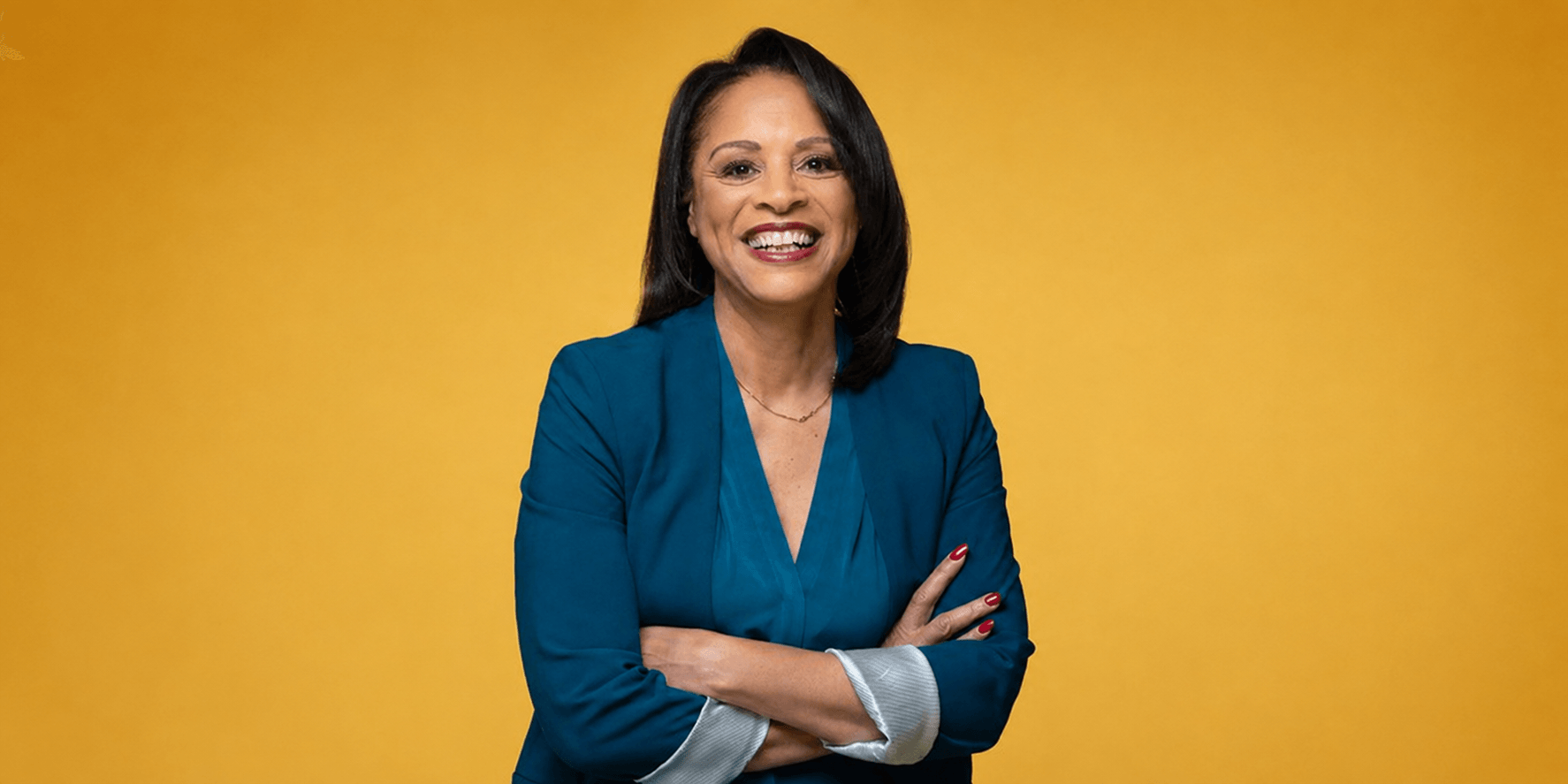
Leadership expert Celeste Warren explains how modern leadership systems improve retention and strengthen organizations.
Organizations often have familiar explanations for why employees resign. Leaders may attribute turnover to better compensation, more prestigious roles, shifting career priorities, or an increasingly competitive hiring landscape. However, leadership strategist, author, and Founder of Celeste Warren Consulting, LLC, Celeste Warren believes those reasons often overlook a much deeper organizational challenge.
“The better question isn’t, ‘Why did the employee disengage?'” Warren says. “It’s, ‘What happened in our organization that made them stop believing they had a future here?'”
That perspective serves as the foundation of Warren’s leadership approach and the central theme of The Systems Behind Who Stays And Who Leaves. Drawing from nearly thirty years of executive leadership experience, Warren argues that organizations rarely lose exceptional employees because of one isolated event. More often, talented people leave because leadership systems that once delivered results gradually become outdated while employee expectations continue to evolve.
A Leadership Story That Reflects A Common Reality
To illustrate this point, Warren shares the story of Maria, the chief executive officer of a global organization employing more than 10,000 people.
By traditional business standards, the company was thriving. Revenue continued to grow, customer satisfaction remained strong, and overall performance was healthy. Leadership had confidence in its talent development practices, believing they had consistently supported organizational success. Promotions largely depended on recommendations from managers, career discussions occurred informally, and executive mentoring naturally developed through established professional relationships.
For many years, those methods appeared to work.
“The problem wasn’t that the systems had failed,” Warren explains. “The problem was that no one had stopped to ask whether those systems were still working for everyone.”
Meanwhile, employee expectations had changed. Today’s workforce increasingly values transparency, consistent coaching, and confidence that advancement is based on clearly defined processes rather than informal networks or personal proximity to leadership. Unfortunately, the organization’s leadership practices had not evolved alongside those changing expectations.
The gap became evident when Devon, one of Maria’s strongest leaders, unexpectedly announced his resignation.
Over nearly a decade, Devon had delivered outstanding results, successfully led major initiatives, and built strong relationships with both clients and colleagues. Because he rarely voiced concerns, Maria assumed he remained fully engaged.
During their conversation, Devon explained that after watching another employee earn a vice president promotion within three years while his own advancement discussions had repeatedly been postponed over nine years, he no longer believed meaningful opportunities existed for him within the organization.
“I don’t think anyone intended to exclude me,” Devon told Maria. “But eventually I realized the system wasn’t designed for someone like me to see a clear path forward. I stopped believing my future was here.”
That conversation fundamentally changed Maria’s perspective.
She realized the leadership systems she had inherited had once served the organization well. Having advanced successfully within those same structures herself, she unintentionally continued supporting practices where access to opportunity depended more on relationships than on transparent processes.
[IMAGE: blob:https://bizweekly.com/8b597195-88d5-4bc8-97fc-39bb404d1dae]
The Hidden Impact Of Outdated Leadership Systems
According to Warren, stories like Maria’s are far more common than many organizations recognize.
Organizations frequently assume disengagement begins with the employee. Leaders may conclude that individuals leave because of compensation, titles, or workplace flexibility. Warren believes those reasons are often only the final stage of a much longer journey.
“Organizations rarely lose their best people because of one bad decision,” Warren says. “They lose them because yesterday’s leadership systems quietly stop working for today’s workforce.”
The consequences extend well beyond replacing a single employee.
When experienced professionals leave, organizations lose valuable institutional knowledge, trusted client relationships, leadership experience, and innovative thinking. Just as importantly, remaining employees observe what happens around them. They notice who receives opportunities, whose voices are heard, and whether career conversations result in meaningful action or simply become another annual discussion.
“The way we’ve always done it is not a strategy,” Warren says. “It’s a warning sign.”
Stronger Systems Create Stronger Organizations
Warren believes meaningful organizational improvement does not always require sweeping change. Instead, lasting progress often begins by strengthening the leadership systems that shape everyday employee experiences.
For Maria’s organization, that meant implementing structured career development conversations, establishing greater transparency around promotion criteria, openly communicating stretch assignment opportunities, and encouraging leaders to ask a simple but powerful question.
“Who might I be overlooking?”
Managers also stopped assuming that silence meant satisfaction. Instead, they intentionally created opportunities for open conversations about career goals, professional development, and future aspirations.
Although change did not happen overnight, the organization began to see meaningful progress.
Internal mobility increased, collaboration strengthened, and trust improved across teams. Employees shifted their conversations away from leaving and toward building long term careers within the company.
“The organization didn’t become stronger because it found better people,” Warren explains. “It became stronger because it built better systems for the people it already had.”
Leadership That Prepares Organizations For The Future
After spending twenty eight years in executive leadership, including serving as Vice President and Chief Diversity and Inclusion Officer for a global Fortune 100 company, Celeste Warren launched Celeste Warren Consulting, LLC. Through her consulting practice, she works with organizations to modernize leadership systems that influence employee engagement, retention, opportunity, and long term business performance.
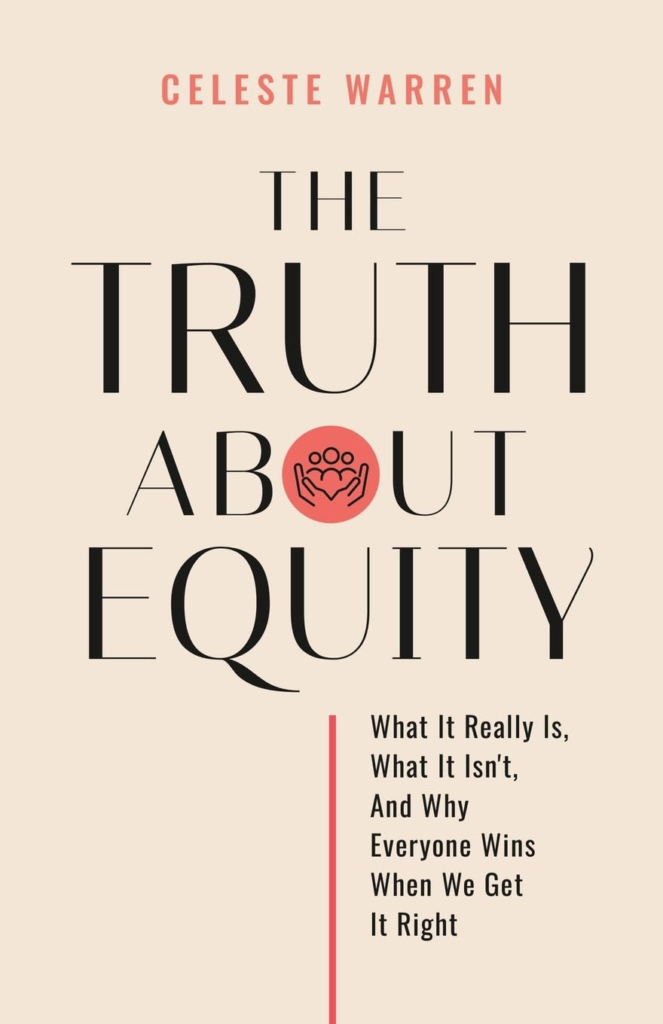
Warren is also a TEDx speaker whose presentation encourages organizations to focus on improving systems rather than expecting individuals alone to overcome structural barriers. She further explores these ideas in her latest book, The Truth About Equity: What It Really Is, What It Isn’t, and Why Everyone Wins When We Get It Right, which explains how intentional leadership systems can strengthen organizations while creating opportunities for everyone.
Over the course of her career, Warren has earned numerous professional recognitions, including being named among Black Enterprise’s Top Executives in Global Diversity and Inclusion, Savoy Magazine’s Most Influential Women in Corporate America, Diversity Global Magazine’s Influential Women in Global Diversity, Diversity Woman Magazine’s Elite100, and receiving the Chief Diversity Officer of the Year Award from the National Minority Supplier Development Council.
Her message continues to resonate with leaders navigating today’s workplace.
“The leaders who will thrive tomorrow will be those willing to challenge familiar habits, modernize outdated systems, and create workplaces where every talented person can see a future,” Warren says.
As Warren reminds leaders, “The greatest cost isn’t the effort it takes to change. The greatest cost is standing still.”
About Celeste Warren
Celeste Warren is an author, TedX Speaker and the Founder of Celeste Warren Consulting, LLC, where she partners with organizations to strengthen leadership practices, modernize workplace systems, and build environments where both people and businesses can succeed. Drawing upon nearly three decades of executive leadership experience, she helps organizations improve employee engagement, strengthen retention, and enhance long term organizational performance.
Contact Information
Celeste Warren
Founder, Celeste Warren Consulting, LLC
Email: celeste@celestewarrenconsulting.com
Phone: +01 973 224 6914
Website: www.celestewarrenconsulting.com
LinkedIn | Instagram | YouTube | Substack
Book: The Truth About Equity: What It Really Is, What It Isn’t, and Why Everyone Wins When We Get It Right (Available on Amazon)
Watch the TEDx Talk, “The Cost Of Standing Still,” here.
Biz Weekly Contributor
Covers finance, markets, and executive leadership, turning balance-sheet detail into plain business sense.
This article features partner, contributor, or branded content from a third party. Members of the Biz Weekly editorial staff were not involved in the creation of this content. All views and opinions are those of the contributor alone.