U.S. Entrepreneurs Lead the Charge in Smart Agriculture
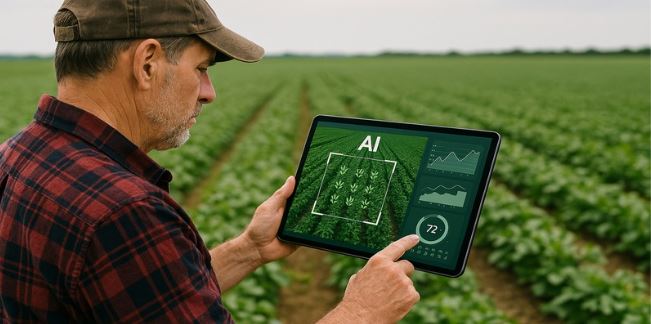
Smart agriculture is experiencing impressive growth in 2024, with U.S. entrepreneurs taking the lead in transforming the way farming is done. From artificial intelligence (AI)-driven crop management platforms to precision irrigation systems, startups are revolutionizing the agricultural sector. These innovations not only optimize farming practices but also promise to improve sustainability, increase productivity, and reduce environmental impact. Entrepreneurs in this space are focusing on bringing high-tech solutions to traditional farming, offering a glimpse into the future of agriculture.
A New Era of Agricultural Innovation
The agricultural sector, long reliant on weather patterns and manual labor, is undergoing a major transformation thanks to technology. Smart agriculture uses data, automation, and advanced tools to address challenges such as resource depletion, climate change, and inefficiency. Entrepreneurs in the U.S. are at the forefront of this technological revolution, creating tools that help farmers make better decisions based on real-time data.
Key technologies like AI, machine learning, and sensors are now being harnessed to monitor crops, predict pest outbreaks, and optimize irrigation, which in turn enhances farming productivity. These innovations are making farming smarter and more efficient, reducing waste while also improving crop yields.
The Role of Precision Irrigation
Among the most significant breakthroughs in smart agriculture is precision irrigation. Traditional irrigation methods often waste valuable water, but with precision systems, water is delivered only where and when it is needed. These systems rely on sensors and data to monitor soil moisture levels, weather conditions, and crop needs, ensuring that water usage is optimized.
Companies like CropX and Arable are making strides in this field, developing technologies that help farmers irrigate their crops efficiently, conserving water and reducing energy consumption. With water scarcity becoming an increasing global concern, precision irrigation offers a crucial solution to ensure that farming remains sustainable in the face of climate change.
AI-Driven Crop Management Platforms
Artificial intelligence (AI) is another key player in smart agriculture. By using machine learning algorithms, farmers can gain deeper insights into the health of their crops, detect early signs of disease, and even predict pest infestations. AI-driven platforms are also used to determine the optimal time for planting and harvesting, maximizing yield and minimizing waste.
Startups like Taranis and FarmWave are leading the way in AI-driven crop management, offering platforms that gather and analyze vast amounts of data. These tools allow farmers to make highly informed decisions based on real-time data from sensors, drones, and satellites, helping them stay one step ahead in crop management.
Improving Efficiency and Sustainability
Sustainability is a central focus for many agritech entrepreneurs. Agriculture is one of the largest contributors to environmental degradation, with issues like water waste, soil erosion, and chemical runoff from pesticides and fertilizers. Through smart agriculture technologies, farmers can significantly reduce their environmental impact.
For example, AI-driven tools can help farmers optimize their use of fertilizers and pesticides by providing precise recommendations based on soil health, weather patterns, and crop conditions. This reduces the likelihood of runoff and pollution, preserving ecosystems and water sources. Moreover, these technologies can also optimize energy use, improving the overall efficiency of farming operations.
Farmers are also using these tools to enhance soil health, reduce tillage, and adopt more sustainable practices that contribute to long-term land productivity. With the global population continuing to rise, the need for sustainable farming solutions has never been more pressing. Entrepreneurs in agritech are stepping up to meet this challenge by offering technologies that make farming both more efficient and environmentally friendly.
The Future of Smart Agriculture
Looking forward, the role of U.S. entrepreneurs in the smart agriculture space will only grow. As the demand for food continues to rise due to population growth, smart agriculture solutions will be essential for meeting these needs in a sustainable way. Technologies that optimize resource use, increase crop yields, and minimize environmental damage will play a critical role in feeding the world while reducing the impact of farming on the planet.
The future of smart agriculture is filled with potential, with innovations that are increasingly integrated into everyday farming practices. Entrepreneurs will continue to develop new tools that offer better decision-making capabilities, improve operational efficiency, and support sustainable farming.
Conclusion
Smart agriculture is more than just a trend—it is the future of farming. U.S. entrepreneurs are at the forefront of this transformation, leveraging technology to optimize farming practices and improve sustainability. With innovations such as precision irrigation, AI-driven crop management, and advanced data analytics, the agricultural sector is becoming smarter and more efficient. The innovations being introduced today promise a future where farmers can grow more food with fewer resources, helping to feed a growing global population while protecting the planet.
Biz Weekly Contributor
Covers business, leadership, and entrepreneurship, highlighting emerging companies and the people behind them.
This article features partner, contributor, or branded content from a third party. Members of the Biz Weekly editorial staff were not involved in the creation of this content. All views and opinions are those of the contributor alone.