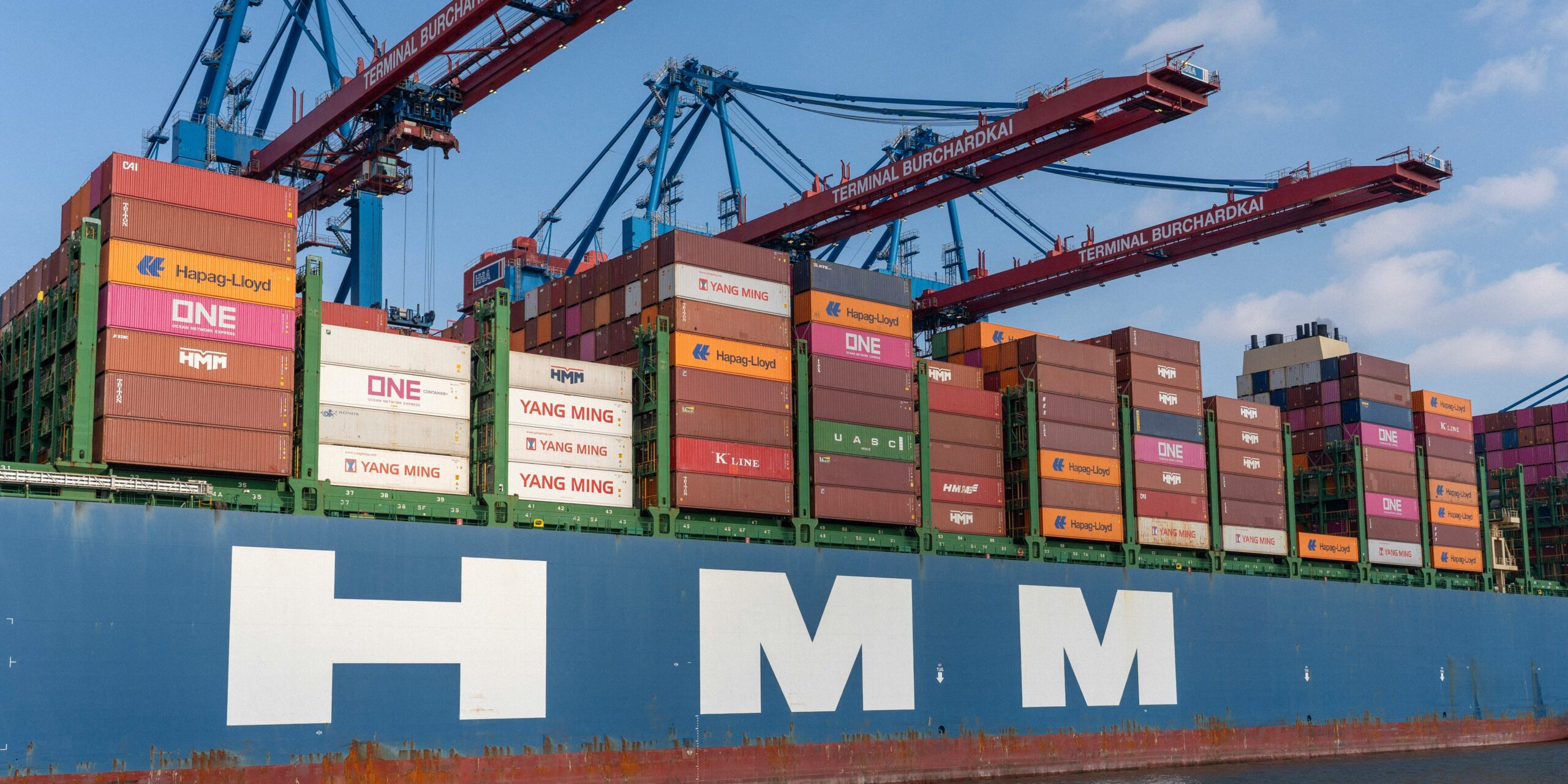
In November 2025, U.S. container import volumes experienced a notable decline, reflecting a combination of weaker global demand and ongoing trade challenges. According to data from Descartes Systems Group, a logistics analytics firm, total U.S. container imports fell by 7.8% year-over-year. This decline was particularly steep for imports from China, which dropped by 19.7%. While overall import handling remained strong, marking the fourth-highest November on record, the slowdown in imports underscores a shift in demand for foreign-made goods during the critical holiday shopping period. The decrease in trade activity has raised concerns among businesses and port officials, especially as they navigate a period of uncertainty.
The drop in container imports is partly attributed to logistical factors, including one fewer shipping day in November. This missing day, while seemingly minor, had a significant impact on import volumes, which rely heavily on tight schedules and precise timing. In addition, U.S. businesses are undergoing a shift in their ordering patterns. Many retailers, for instance, reported that they were well-stocked with inventory heading into the month of December, reducing the immediate need for additional imports. However, this inventory surplus could quickly become a challenge if consumer demand fails to meet expectations in the coming months. If demand remains sluggish, it could lead to a ripple effect on supply chains, forcing companies to adjust their operations and strategies to accommodate changes in consumer behavior.
While U.S. ports have generally seen strong handling of imports, the overall decline in container volumes suggests that global trade is facing headwinds. Retailers and manufacturers are not only dealing with the immediate effects of a reduced demand for goods, but they are also grappling with longer-term challenges stemming from global economic conditions. The decline in imports from China, in particular, raises questions about the health of the U.S.-China trade relationship. Trade policies, tariffs, and other economic factors continue to evolve, and both importers and port officials are closely watching these developments to assess how they may impact future supply chain strategies and cost pressures.
As 2026 approaches, these trends point to ongoing uncertainty in global trade. Importers and logistics professionals are increasingly cautious about the outlook for the next year. Shifts in consumer demand, changes in trade policies, and logistical constraints all create a complex environment for businesses that rely on timely and efficient imports. For now, the focus remains on how to navigate this period of uncertainty, ensuring that supply chains remain flexible and resilient enough to withstand the challenges that lie ahead. The continued slowdown in U.S. container imports is a signal that businesses and port officials will need to be agile in adjusting their strategies as they face evolving global economic conditions.