The Changing Face of Leadership Development: Focus on Emotional Intelligence

In 2024, the world of leadership development is undergoing a major transformation. What once emphasized hard skills and technical expertise is now giving way to a growing recognition of emotional intelligence (EQ) as a cornerstone of effective leadership. As organizations grapple with faster-paced change, more diverse workforces, and evolving business landscapes, the ability to manage emotions—both one’s own and those of others—has become a critical skill for leaders at every level.
Why Emotional Intelligence is Vital for Leaders in 2024
Emotional intelligence refers to the ability to understand, manage, and leverage emotions in oneself and others. The five components of EQ—self-awareness, self-regulation, motivation, empathy, and social skills—are essential for leaders aiming to create healthy, high-functioning teams. Leaders with high EQ can read the emotional cues of their team members, understand how their actions impact others, and maintain control in stressful situations. This allows them to cultivate trust, foster collaboration, and guide their teams through change.
As workplaces become more complex and interdependent, the need for emotionally intelligent leadership has never been more pressing. Leaders with strong EQ are not only able to make better decisions but also build healthier, more inclusive environments that lead to higher performance and engagement.
EQ’s Impact on Inclusivity and Diversity
A central theme in today’s leadership development is inclusivity—and EQ plays a vital role in this. Leaders with high emotional intelligence are better equipped to navigate the challenges that come with leading a diverse workforce. In an era where organizations strive for greater diversity in terms of race, gender, age, and cultural background, leaders who can understand and embrace these differences are essential for fostering inclusivity.
Leaders with high EQ actively listen, recognize diverse perspectives, and adapt their leadership style to support the varied needs of their teams. They create spaces where all employees feel seen, heard, and valued, which leads to stronger team cohesion and more innovative problem-solving. This emotional awareness builds a workplace culture where people are motivated to collaborate and contribute their best work.
How Emotional Intelligence Drives Team Performance
The link between emotional intelligence and team performance is undeniable. Research consistently shows that leaders who are emotionally intelligent have teams that perform better and exhibit greater job satisfaction. This connection comes from the leader’s ability to motivate, inspire, and manage emotions effectively, both in themselves and in their teams.
Leaders with high EQ know how to provide constructive feedback in a way that promotes growth without diminishing morale. They manage conflict with sensitivity and resolve tensions before they escalate. By maintaining composure in difficult situations, they inspire confidence in their teams, helping them to navigate challenges with resilience and a clear focus on goals. Ultimately, emotionally intelligent leaders foster a collaborative environment that encourages high performance and continuous development.
Leadership Development Programs and the Shift to EQ
As organizations prioritize emotional intelligence, leadership development programs are evolving to place greater emphasis on these skills. While traditional training programs may have focused on strategic thinking, project management, and decision-making, the modern leadership curriculum increasingly includes components designed to enhance EQ.
Workshops and seminars on emotional regulation, empathy-building, and effective communication are now staples of leadership development. Mentorship programs, where senior leaders with high EQ guide emerging leaders, are becoming more common. These programs ensure that leadership pipelines are filled with individuals who not only excel in technical skills but also possess the emotional intelligence necessary to lead in today’s diverse, fast-paced work environments.
How Leaders Can Cultivate Emotional Intelligence
Although some individuals may naturally possess high emotional intelligence, the good news is that EQ can be developed and improved over time. Leaders who want to enhance their emotional intelligence can take several steps:
- Engage in Regular Self-Reflection: Self-awareness is the foundation of EQ. Leaders should reflect on their emotional responses to various situations, considering how their emotions influence their behavior and decision-making.
- Seek Constructive Feedback: Understanding how others perceive you can provide invaluable insights into your emotional intelligence. Regular feedback from peers, mentors, and team members can help leaders identify areas for improvement.
- Practice Active Listening: Great leaders listen not just to respond, but to understand. By giving full attention to what others are saying and responding thoughtfully, leaders can foster better communication and stronger relationships.
- Manage Stress and Emotions: High-EQ leaders know how to stay calm under pressure. By practicing stress-reduction techniques like mindfulness, leaders can improve their emotional regulation and maintain composure when faced with challenging situations.
- Cultivate Empathy: Empathy involves understanding and sharing the feelings of others. Leaders can build empathy by engaging in open, non-judgmental conversations with team members, showing genuine concern for their well-being.
The Future of Leadership Development: A Focus on Emotional Intelligence
As we continue through 2024 and beyond, emotional intelligence will undoubtedly remain a cornerstone of leadership development. As workplaces become more complex and interconnected, leaders will need to manage not only their own emotions but also the emotions of diverse teams and external stakeholders. Leaders who can adapt, communicate effectively, and inspire others are the ones who will thrive.
Emotional intelligence is no longer a “nice-to-have” skill but an imperative for success. As organizations invest in leadership development programs that prioritize EQ, it’s clear that emotional intelligence will continue to shape the future of leadership, driving both individual and organizational growth.
Image Suggestion
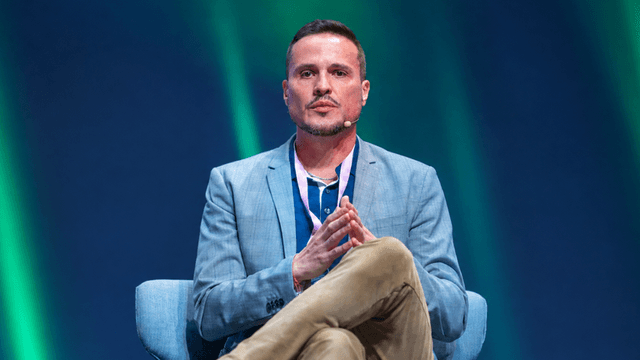
A powerful image for this article would include a group of diverse professionals engaged in a team discussion, with one leader actively listening and interacting with their team. The setting could be a modern office space with visible collaboration, emphasizing a positive and inclusive environment. Alternatively, a close-up of a leader reflecting in a contemplative moment would also visually represent self-awareness and emotional intelligence.
Biz Weekly Contributor
Covers finance, markets, and executive leadership, turning balance-sheet detail into plain business sense.
This article features partner, contributor, or branded content from a third party. Members of the Biz Weekly editorial staff were not involved in the creation of this content. All views and opinions are those of the contributor alone.