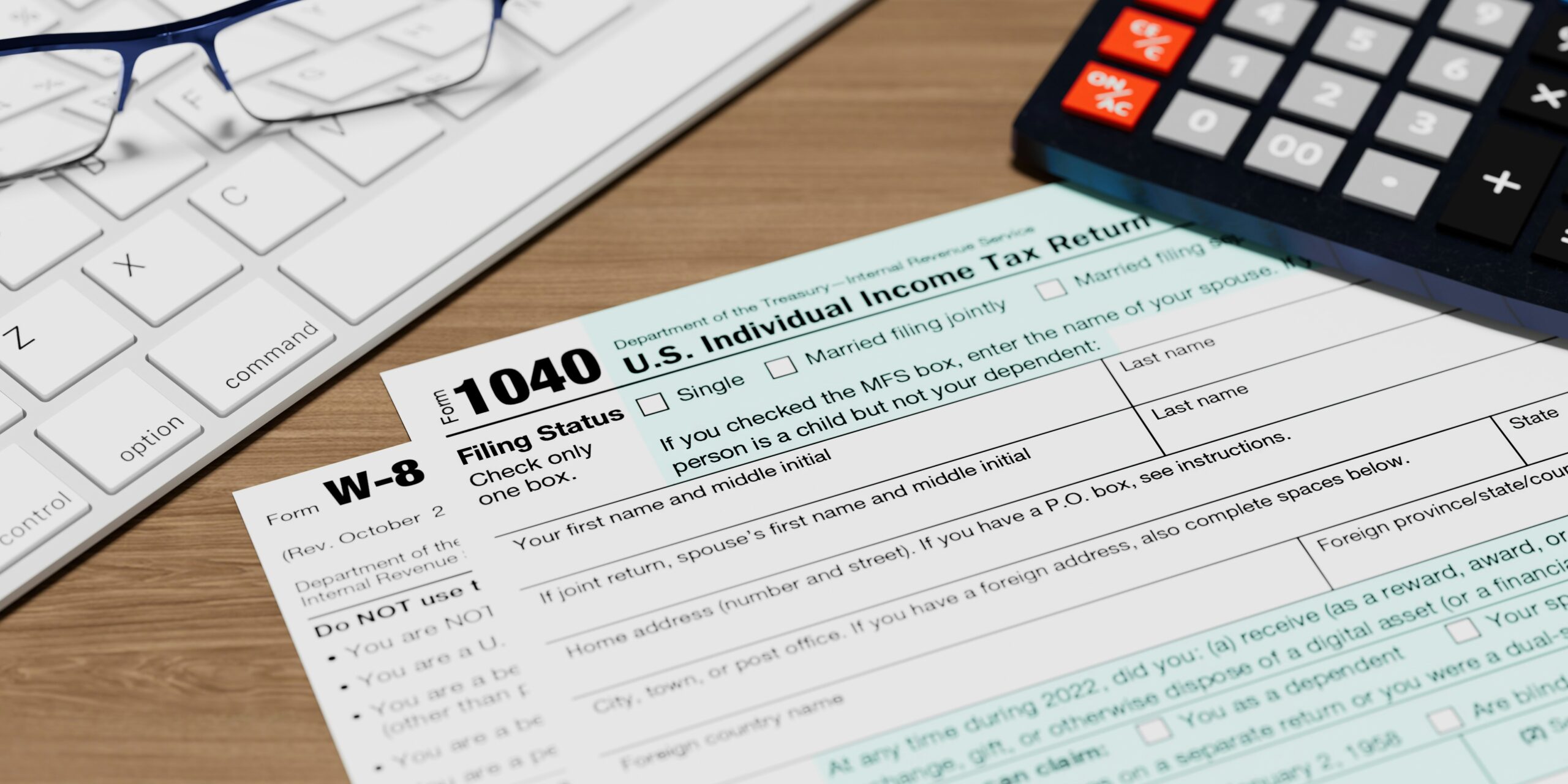
The Internal Revenue Service (IRS) officially began the 2026 federal tax filing season, signaling the start of the process for submitting 2025 tax returns. This annual event marks an important deadline for taxpayers across the country, and this year’s filing season comes with new provisions and updates resulting from the One Big Beautiful Bill Act (OBBB Act), which is set to impact a wide range of tax-related matters, from deductions to credits to potential refunds. As in previous years, the IRS confirmed that it would begin accepting and processing tax returns on January 26, aligning with the expectations and schedules set in place in prior filing seasons.
The IRS projects receiving approximately 164 million individual returns for the 2026 tax year. A large majority of these filings are expected to be submitted electronically, which has become the preferred method for most taxpayers due to its speed and efficiency. As usual, the deadline for filing tax returns is set for April 15, 2026. Taxpayers who are unable to file by that date can request an extension to avoid penalties, though they will still need to estimate and pay any owed taxes by the original deadline to avoid additional interest and fines.
This tax season will be notably shaped by the new rules introduced under the OBBB Act, which is expected to have far-reaching effects on how individuals and businesses approach their filings. The OBBB Act includes numerous changes, such as new tax credits and deductions, which could alter the overall tax burden for millions of taxpayers. Some of these provisions are designed to provide relief for certain sectors of the economy, while others focus on increasing tax compliance and transparency. As a result, both individuals and businesses will need to carefully review the new guidelines to determine how they might affect their tax returns, whether it’s through adjustments to refund expectations or changes in the deductibility of specific expenses.
For both corporations and small businesses, the opening of the tax season presents an important opportunity to evaluate their tax positions and incorporate their obligations into financial planning for the year. The filing season, especially in the early weeks, is an opportune time to assess how the latest policy changes may affect net tax obligations. Many businesses will be looking at updated regulations to inform their quarterly financial planning and cash-flow forecasts, ensuring they have accounted for any new deductions, credits, or compliance requirements.
Given the complexity of the new provisions under the OBBB Act, the IRS is making an effort to help businesses and individuals navigate the changes by providing an array of online tools and resources. These platforms aim to guide taxpayers through the various intricacies of the new tax laws, offer up-to-date information about potential impacts on tax liabilities, and help users file their returns accurately and efficiently. The availability of these online tools should prove particularly valuable as the filing season progresses, offering both new and returning filers a smoother, more transparent process.
The IRS also continues to encourage taxpayers to file electronically, as this remains the quickest, most secure, and most efficient way to submit returns. Those expecting refunds are particularly encouraged to use direct deposit, a method that ensures faster processing and delivery of any refunds owed. In addition to the online filing benefits, taxpayers are also urged to ensure their information is complete and correct to avoid delays or complications during the review and processing of returns.
As the filing season progresses, it will be critical for taxpayers to stay informed about the new rules and changes brought by the OBBB Act. These provisions are designed to create a more streamlined and fair tax environment, but their impact will depend on how well individuals and businesses can adjust to the updated regulations. The IRS’s efforts to provide comprehensive guidance and support through its online resources will help ensure that taxpayers are prepared to comply with the changes and avoid penalties or errors in their filings. With the filing season now officially underway, the focus shifts to completing returns on time, understanding the updated rules, and making sure that all necessary steps are taken to comply with the latest tax requirements.