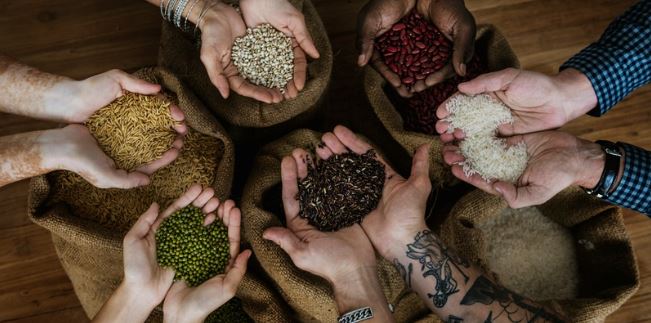
Food technology continued to make waves in July 2023, with a surge of innovation from startups focusing on plant-based, lab-grown, and sustainable food alternatives. In a remarkable milestone, U.S. food tech startups raised $3 billion in July, a record-breaking figure that underscores the growing interest in transforming the food landscape. As consumers increasingly demand healthier, more sustainable options, these startups are at the forefront of reshaping how we produce and consume food.
Lab-Grown Meat: A Step Toward Sustainable Protein
One of the standout innovations in food tech is lab-grown meat, produced through cellular agriculture. This technology replicates the taste, texture, and nutritional content of traditional meat without the environmental and ethical concerns associated with livestock farming. Lab-grown meat requires fewer resources to produce and generates significantly less waste compared to conventional meat, making it an attractive option for both environmentally conscious consumers and the food industry at large.
In July 2023, several lab-grown meat startups received significant investments, fueling optimism about the future of this technology. Companies such as Eat Just and Upside Foods are at the forefront of this movement, working tirelessly to scale production and improve the consumer experience. While lab-grown meat has not yet reached full commercialization, the ongoing influx of funding and product development suggests that it could soon become a mainstream option on supermarket shelves and restaurant menus.
The shift toward lab-grown meat reflects a broader trend toward sustainable food production. As concerns over climate change and resource depletion grow, alternative proteins like lab-grown meat are being viewed as viable solutions to the environmental impact of traditional meat production.
The Expanding Market for Plant-Based Dairy
Alongside lab-grown meat, plant-based dairy alternatives are experiencing rapid growth. With consumers increasingly seeking alternatives to dairy for reasons related to health, ethics, or environmental impact, food tech startups have been innovating in this space to offer products that replicate the taste and texture of traditional dairy.
From oat milk to almond yogurt, the plant-based dairy market is diversifying, and startups are pushing the boundaries of what’s possible. One area of focus has been plant-based cheese, which has historically been one of the more challenging dairy alternatives to perfect. However, companies like New Culture and Miyoko’s Creamery are making substantial strides in developing plant-based cheeses that closely resemble the flavor and texture of their dairy counterparts.
This growth is fueled by consumer demand for dairy-free options, driven by concerns over lactose intolerance, ethical considerations regarding animal welfare, and the environmental impact of dairy farming. As more people turn to plant-based diets, the market for dairy alternatives is poised for continued expansion in the coming years.
Sustainable Packaging: The Next Frontier
Sustainability extends beyond the food itself, with packaging playing a crucial role in the environmental impact of food products. In response, food tech startups have been focused on developing eco-friendly packaging solutions that help reduce plastic waste while maintaining the integrity and safety of food products.
These innovations include biodegradable, compostable, and recyclable packaging materials, as well as reusable containers that help minimize single-use plastics. In addition, edible packaging is gaining attention as a way to completely eliminate waste. Many of these solutions aim to align with the growing consumer demand for environmentally responsible products.
The push for sustainable packaging is not just a passing trend but a necessity, as global efforts to reduce plastic waste intensify. Startups that focus on innovative packaging solutions are responding to consumer and regulatory pressure to rethink how food is packaged and distributed. As these solutions gain traction, they will be integral to a broader movement toward a more sustainable food system.
Meeting Consumer Demand for Healthier, Eco-Friendly Food
At the heart of these innovations lies a shifting consumer mindset. Today’s consumers are more conscious than ever about the food they eat, not just in terms of taste but also with respect to health, environmental impact, and sustainability. As concerns about climate change, food waste, and animal welfare continue to rise, the demand for plant-based and sustainable food alternatives is expected to grow.
Food tech startups are tapping into this growing consumer demand by offering products that are not only healthier but also more transparent. With clean-label foods free from artificial additives and preservatives, these companies are providing consumers with more control over what they put into their bodies. This level of transparency is helping to build trust with increasingly discerning consumers.
Additionally, these innovations in food tech allow consumers to make choices that align with their ethical values, whether that means opting for plant-based foods to reduce harm to animals or choosing sustainably packaged products to minimize their environmental footprint.
The Future of Food Tech
The $3 billion raised by food tech startups in July 2023 signifies a turning point in the industry. As investments continue to pour in, the future of food tech looks bright. Lab-grown meat, plant-based dairy alternatives, and sustainable packaging solutions are poised to play pivotal roles in transforming how food is produced, consumed, and distributed.
As startups continue to innovate and refine their technologies, the next few years will be crucial in determining how quickly these products can scale and become mainstream. If the trajectory continues, food tech could become an integral part of our daily lives, offering sustainable and ethical alternatives to traditional food systems.
Conclusion
July 2023 marked a key moment in the evolution of food tech, as startups working on lab-grown meat, plant-based dairy, and sustainable packaging secured record-breaking funding. This surge of investment highlights the growing consumer demand for healthier, eco-friendly food options, setting the stage for significant transformations in the global food system. As these innovations continue to gain momentum, the future of food tech looks increasingly promising, with the potential to create a more sustainable and ethical food landscape.