Businesses across the United States accelerated investments in artificial intelligence infrastructure and enterprise technology expansion on May 16, 2026, as demand for cloud computing, advanced analytics, and automation systems continued to reshape the corporate landscape.
Major technology firms, enterprise software providers, and infrastructure companies announced new partnerships and capital expenditures this week aimed at strengthening AI capabilities for businesses ranging from finance and healthcare to logistics and manufacturing. Analysts say the momentum reflects a broader transformation underway in how organizations operate, compete, and manage digital growth.
The latest developments come amid sustained corporate spending on AI-powered systems designed to improve efficiency, automate repetitive tasks, and support data-driven decision-making. Industry leaders have increasingly described artificial intelligence as a long-term operational priority rather than a short-term technology trend.
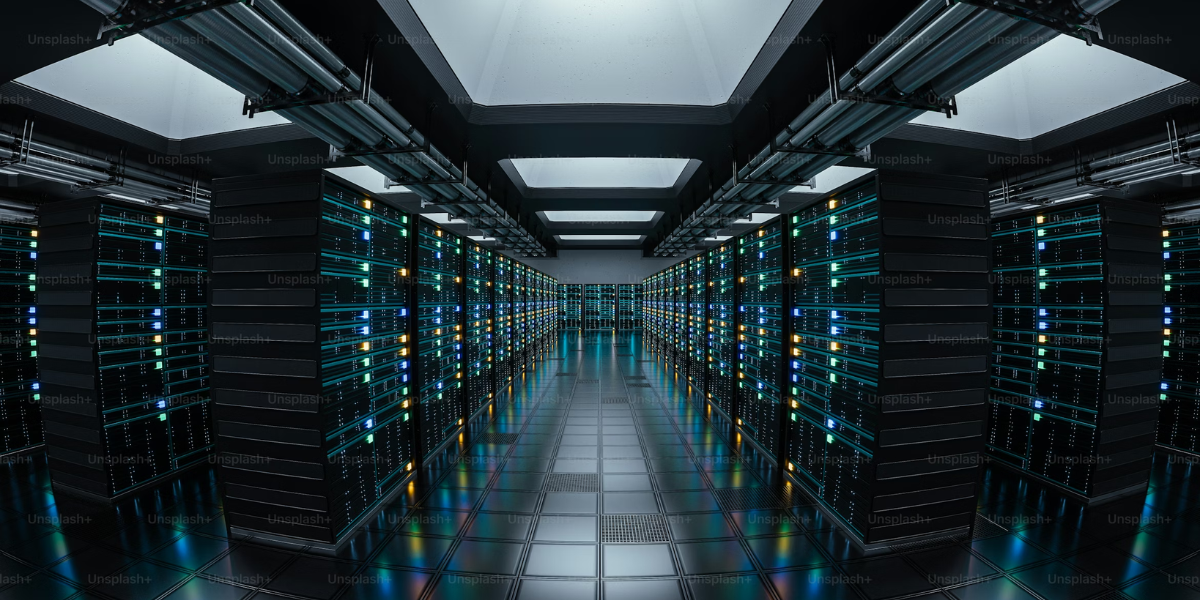
Several U.S.-based infrastructure providers confirmed expansion plans involving hyperscale data centers, enterprise cloud networks, and semiconductor integration projects intended to support growing AI workloads. Companies involved in the initiatives cited rising enterprise demand for faster processing capabilities and secure computing environments.
Technology executives noted that AI adoption is now extending well beyond the technology sector itself. Retailers, healthcare organizations, financial institutions, and transportation firms are investing heavily in AI tools that assist with forecasting, customer support, cybersecurity monitoring, and operational optimization.
Industry analysts said the rapid pace of AI integration is also increasing demand for physical infrastructure. High-performance computing systems require significant energy capacity, advanced cooling technology, and specialized networking hardware, leading to large-scale investments in both digital and industrial development.
Data center construction activity expanded further this month in several regions across the United States, particularly in Texas, Arizona, Virginia, and Ohio. These states continue attracting infrastructure projects due to energy access, connectivity advantages, and skilled labor availability.
Business leaders involved in the expansion efforts emphasized the importance of scalability and reliability as enterprises deploy more AI-driven services. Cloud providers are increasingly focusing on flexible infrastructure models that allow businesses to scale computing resources based on changing operational demands.
At the same time, cybersecurity remains a major focus area as organizations process larger volumes of data through AI systems. Enterprise security firms reported increased corporate demand for AI-assisted threat detection and automated risk management platforms designed to protect critical business operations.
Market researchers monitoring the sector say global enterprise AI spending is expected to continue growing throughout 2026 as organizations prioritize digital transformation initiatives. Many companies are integrating AI into existing workflows rather than treating it as a standalone technology investment.
The startup ecosystem has also benefited from the surge in AI infrastructure development. Venture-backed firms focused on automation software, cloud optimization, enterprise analytics, and industrial AI tools have attracted growing attention from corporate customers seeking specialized solutions.
Investors and executives alike are paying close attention to how AI-related spending may influence productivity and long-term operational efficiency. While implementation costs remain substantial for some organizations, many businesses view automation and intelligent systems as necessary components of future competitiveness.
In the financial sector, banks and payment technology firms are expanding AI deployment for fraud detection, customer service automation, and risk analysis. Healthcare providers are also increasing investments in data processing systems that support administrative efficiency and operational planning.
Meanwhile, manufacturing companies continue incorporating AI-driven systems into logistics, predictive maintenance, and quality control operations. Analysts say industrial automation remains one of the fastest-growing enterprise AI applications due to its potential to improve production efficiency and reduce downtime.
Corporate leadership teams are also adapting organizational strategies around the rapid evolution of AI technologies. Many companies are establishing internal AI governance frameworks, workforce training programs, and long-term technology planning initiatives designed to manage implementation responsibly.
Educational institutions and workforce development organizations are responding by increasing training opportunities in data science, cloud engineering, cybersecurity, and machine learning operations. Employers across industries continue competing for highly specialized technology talent capable of supporting large-scale digital transformation efforts.
Environmental sustainability has emerged as another important issue connected to infrastructure expansion. Data center operators are increasingly investing in energy-efficient cooling systems, renewable energy partnerships, and water conservation technologies as facilities expand nationwide.
Economists say the current wave of infrastructure investment could have broader economic implications beyond the technology industry. Construction, engineering, utilities, logistics, and professional services sectors are all experiencing increased demand tied to AI-related development projects.
Despite strong momentum, analysts caution that businesses still face challenges related to implementation costs, regulatory compliance, workforce readiness, and evolving cybersecurity risks. Experts note that successful AI adoption often depends on long-term planning and operational integration rather than rapid deployment alone.
For business professionals and industry leaders, the latest developments underscore how AI and enterprise technology are becoming central drivers of corporate strategy and market competitiveness. The ongoing expansion of infrastructure, cloud computing, and intelligent automation systems continues reshaping the modern business environment at a rapid pace.
As organizations increase investments in digital transformation, industry observers expect AI infrastructure, enterprise software, and advanced computing technologies to remain among the most influential business growth sectors throughout the remainder of 2026.