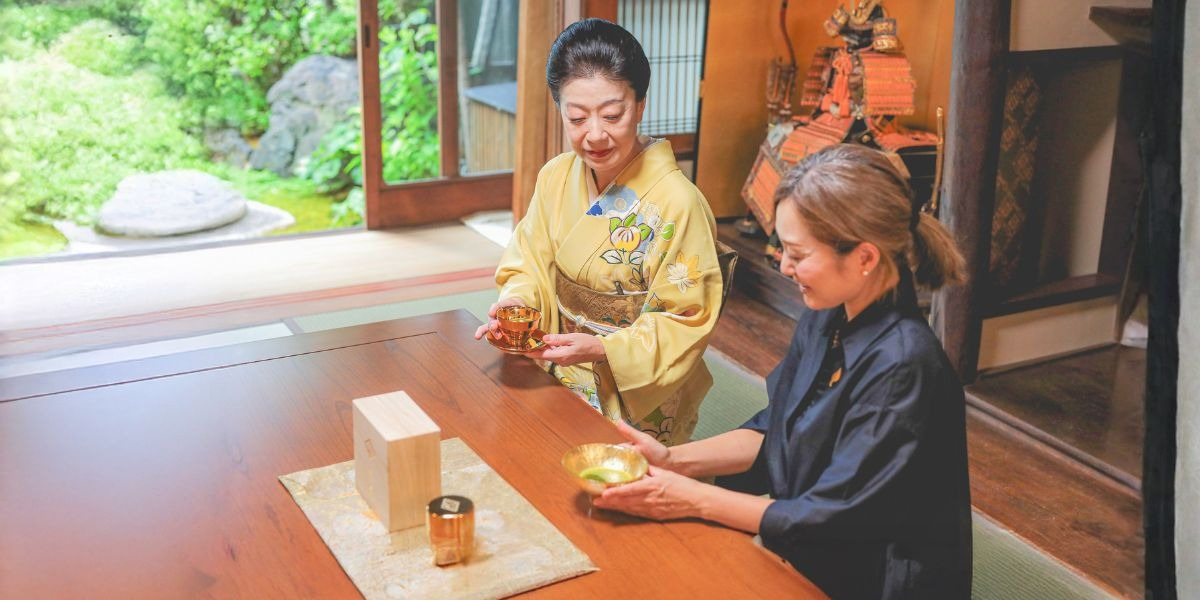
Ceremonial-grade matcha, high in L-theanine, supports emotional regulation by improving brain communication.
Tokyo / Zurich — For centuries, samurai warriors in Japan have consumed matcha before engaging in high-stakes moments requiring focus and composure. Today, scientists are beginning to explore whether this ancient ritual had a measurable biological foundation.
Recent research examining ceremonial-grade matcha suggests that the amino acid L-theanine, found in high concentrations in shade-grown tea, may play a role in regulating communication between two key brain regions involved in emotion and decision-making: the amygdala and the prefrontal cortex.
These findings provide a potential explanation for why matcha has historically been associated with calm focus, as opposed to the jittery stimulation often linked to caffeine.
A Bridge Between Emotion and Decision-Making
In the human brain, emotional signals are processed primarily in the amygdala, which detects threats and assigns emotional significance to events. The prefrontal cortex, on the other hand, integrates those signals and determines rational responses.
When communication between these regions functions efficiently, individuals are able to maintain composure and make clear decisions, even in stressful environments.
Studies examining L-theanine-rich matcha have observed patterns suggesting that the compound may support this communication pathway. Instead of dulling emotional responses, it appears to help integrate emotional and cognitive processing—producing a state of “calm alertness.” This neurological balance is often associated with meditation and mindfulness practices.
The Unique Chemistry of Matcha
Unlike conventional tea, matcha is produced by grinding entire tea leaves into a powder. When consumed, drinkers ingest the full spectrum of compounds present in the leaf. One such compound, L-theanine, is known to cross the blood-brain barrier and influence neural activity associated with relaxation and attention.
Studies have shown that L-theanine can promote alpha brainwave activity, a neurological pattern associated with relaxed focus and meditative awareness. Researchers believe this may help explain why matcha produces a mental state that many describe as simultaneously calm and energized.
The Role of Soil Microbiomes
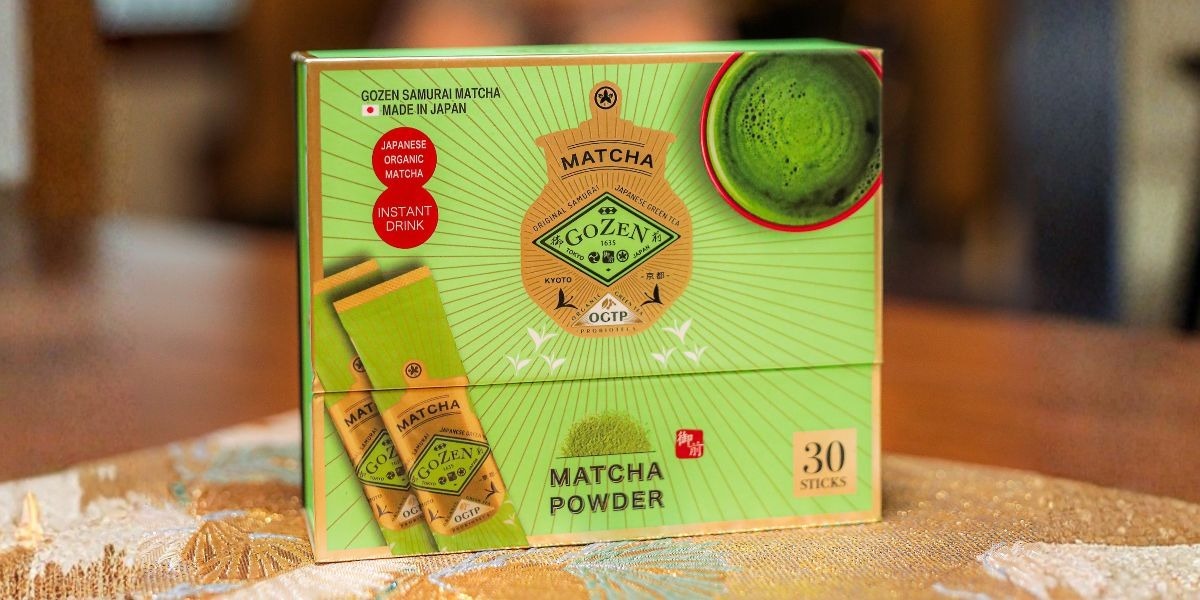
Another factor gaining scientific attention is the agricultural environment in which some ceremonial matcha is cultivated. Gozen Bio Matcha, grown in Kagoshima, Japan, is produced using a microbiome-rich farming system, where beneficial microorganisms naturally develop in the soil and interact with the tea plants.
This unique ecosystem may influence the biochemical composition of the tea leaves, contributing to the presence of bioactive compounds such as catechins, polysaccharides, and plant-derived metabolites. Researchers increasingly believe that plant microbiomes play a role in shaping the nutritional properties of foods, potentially affecting their interaction with human metabolism.
A Ritual With Deep Cultural Roots
The connection between matcha and mental clarity is deeply embedded in Japanese culture. In traditional tea ceremonies, the act of preparing and drinking matcha is designed to cultivate stillness and presence. Historically, samurai warriors used the tea ritual as a method for preparing the mind before battle or strategic deliberation.
Machiko Gozen, a descendant of a samurai lineage and founder of the Gozen matcha tradition, notes that the ritual has long been associated with decision-making. “In my family, matcha was always consumed before important choices,” she explains. “It was not simply a drink—it was a way to quiet emotional noise while keeping the mind sharp.”
Matcha and the Science of Calm Focus
As interest grows in nutritional approaches to stress management and cognitive performance, matcha is increasingly being studied within the emerging field of neuro-nutrition. Unlike pharmacological stimulants or sedatives, matcha’s effects appear to come from a combination of naturally occurring compounds—particularly L-theanine and caffeine—working together.
This synergy may allow the brain to maintain alertness without triggering the overstimulation often associated with caffeine alone. Researchers believe this balance could explain why matcha has been used historically in environments that demand sustained focus, including meditation practices and strategic planning.
From Ancient Ritual to Modern Performance Tool
Today, matcha is consumed worldwide by professionals seeking alternatives to traditional stimulants. For many, it has become part of a daily ritual designed to create a moment of clarity before beginning work or making important decisions.
The growing scientific interest in matcha suggests that this centuries-old tradition may have deeper biological foundations than previously understood. As research continues, the humble bowl of green tea once favored by samurai warriors may offer insights into how simple nutritional rituals can influence the complex systems that regulate emotion, cognition, and resilience.