On Saturday, February 7, 2026, thousands of young workers, labor advocates, union members, and allied activists gathered in Washington, D.C. for the Young Worker March on Washington, a major demonstration focused on the economic realities confronting workers under 40 in the United States. The event, organized by the American Federation of Government Employees (AFGE) Young and supported by the American Federation of Labor and Congress of Industrial Organizations (AFL‑CIO) and other partner organizations, aimed to draw national attention to affordability issues, workplace rights, and policies that impact the future of the U.S. workforce.
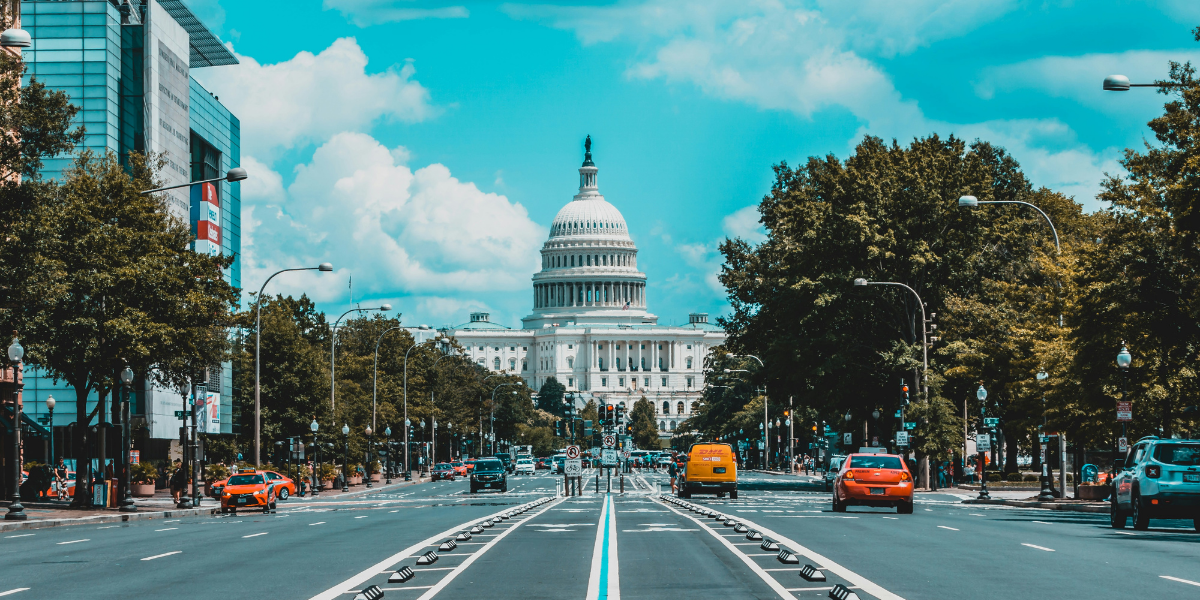
The march convened participants at 11:00 a.m. EST outside the Hyatt Regency Washington on Capitol Hill at 400 New Jersey Avenue NW before proceeding to a rally on the National Mall near the U.S. Capitol Building, where speakers addressed their demands and highlighted the challenges that many young Americans face in building stable, prosperous lives.
Core Issues Driving the Mobilization
Participants and organizers described the event as one of the first large‑scale demonstrations centered explicitly on young workers’ economic conditions. Speakers emphasized that despite higher levels of education and technological expertise among younger generations, many find it increasingly difficult to achieve traditional milestones such as homeownership, financial security, and affordable healthcare. Rising costs for housing, healthcare, childcare, and education were central themes, reflecting broader national concerns over the cost of living. Researchers have documented these affordability pressures as persistent issues among Americans under 40, with wages often lagging behind escalating expenses.
These economic realities, organizers argue, contribute to a sense that the “American dream” is slipping out of reach for many in the workforce. To confront this, the marchers rallied around a set of clear policy goals aimed at reshaping the economic landscape in ways that could benefit workers and their families.
Policy Demands and Labor Priorities
Central to the march’s agenda was the call for a guaranteed federal living wage with automatic cost‑of‑living adjustments, reflecting concerns that current wage standards have not kept pace with inflation and living costs. Attendees also demanded expanded healthcare access, including proposals for a public option or the expansion of Medicare, and caps on medicine prices—issues that are frequently cited by policy analysts and labor advocates as critical to economic security.
Other policy priorities included:
- Universal childcare and preschool, aimed at reducing childcare cost burdens for working families.
- Guaranteed collective bargaining rights and expanded union protections, aligning with ongoing labor movement efforts to strengthen worker representation and voice in the workplace.
- Expansion of student loan forgiveness and federally funded vocational training, addressing long‑standing concerns about the burden of educational debt.
- Affordable housing initiatives, including first‑time home buyer assistance and rent caps for subsidized housing.
The broad coalition supporting the march included civil rights organizations such as the NAACP Youth & College division, labor unions representing federal and private sector workers, and various community groups. A virtual town hall held days before the march underscored how these issues intersect with broader structural challenges facing young Americans, from financial insecurity to inequitable access to opportunity.
Significance for Workers and the Economy
The Young Worker March on Washington reflects a growing focus within the U.S. labor movement on intergenerational economic equity and the future of work. While labor actions have historically addressed issues like wages and workplace conditions across age groups, this event marked a concerted effort to highlight the distinct concerns of younger workers, who often find themselves under‑organized in unions despite high expressed support for collective action. For example, union density among workers under 40 remains comparatively low, even though many express favorable attitudes toward unionization.
This mobilization also arrives at a time when discussions about America’s economic competitiveness and standards of living continue to shape public discourse. Analysts have noted that wage stagnation in key sectors, combined with rising costs, may contribute to delayed family formation, reduced economic mobility, and broader social implications.
Key Takeaways
- The march underscored persistent economic pressures affecting young workers, including housing, healthcare, childcare, and educational debt.
- Participants rallied behind concrete policy goals, such as a living wage, healthcare reform, expanded worker rights, and affordable housing initiatives.
- The event demonstrated renewed energy in the labor movement to engage younger demographics and forge coalitions across unions and community groups.
- Organizers and experts alike view the march as part of a broader conversation about ensuring that economic growth and prosperity are accessible to all generations.
The Young Worker March on Washington provides a snapshot of how labor movements and economic advocacy are evolving in the United States, particularly as demographic and economic shifts reshape expectations and priorities for workers nationwide. With policymakers, employers, and civic leaders watching closely, the voices raised on February 7, 2026, may signal a significant moment in ongoing discussions about economic justice and the future of work.