U.S. Proposes AI Incident Notification Framework in Talks With China
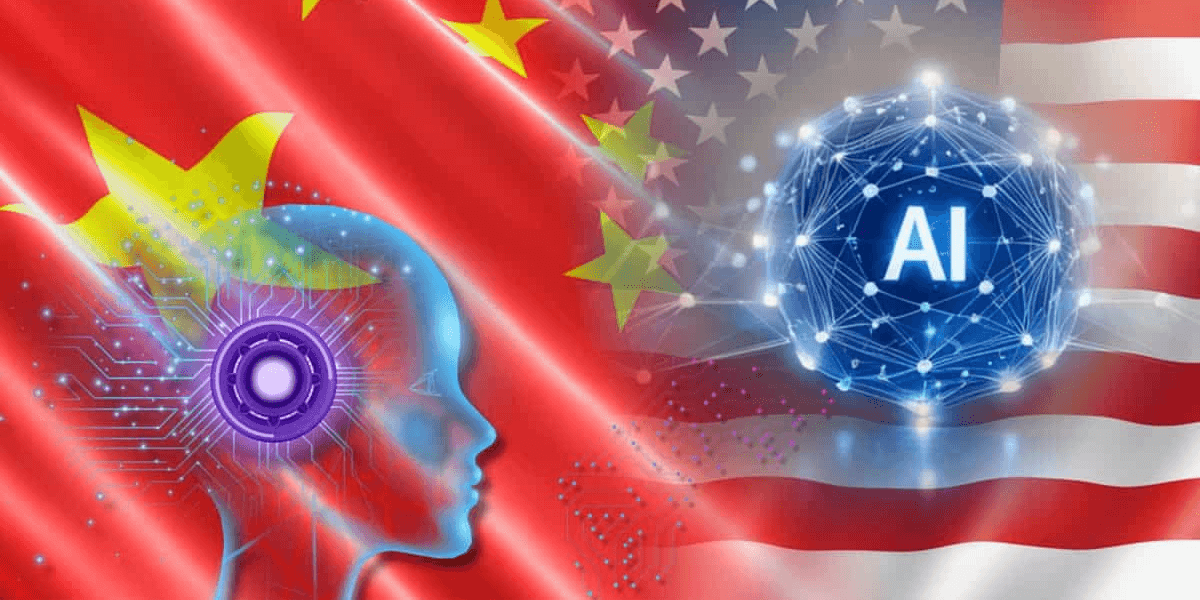
U.S. officials proposed an AI incident notification framework with China as businesses face increasingly complex technology risks.
AI Safety Moves Into International Business Discussions
The United States proposed a mechanism for notifying China about significant artificial intelligence incidents during high-level economic discussions in New York, placing AI safety and technology risk management alongside broader trade negotiations.
Treasury Secretary Scott Bessent and Chinese Vice Premier He Lifeng concluded talks that included the proposed framework ahead of an expected meeting between the two countries' leaders.
The proposed system would create a bilateral channel focused on major AI incidents, including events that could have national-security implications. It is not yet a finalized agreement, and Chinese officials have not publicly committed to establishing the mechanism.
For businesses, the development is significant because advanced AI is increasingly embedded in software, cybersecurity, finance, manufacturing and other commercial operations.
Why Businesses Are Watching AI Governance
Artificial intelligence has evolved from a specialized research field into a technology used throughout the business economy.
Companies are deploying AI for customer service, data analysis, software development, automation and decision support. At the same time, more advanced systems introduce new questions surrounding security, reliability and incident response.
A government-to-government notification mechanism would not directly regulate private companies. However, it could eventually influence how governments coordinate around serious AI incidents and how businesses understand emerging expectations for transparency and risk management.
The proposal therefore provides another indication that AI governance is becoming an important component of corporate technology strategy.
The Proposal Remains Preliminary
The proposed notification system is still under discussion.
No final rules have been announced regarding what would constitute a reportable incident, what information would be exchanged or which agencies would administer the system. China's position on the proposal also remains unclear.
That means companies should not interpret the discussion as a new compliance requirement.
Its importance instead lies in the direction of international policy. Governments are increasingly considering how to communicate when advanced technology creates risks that cross national borders.
AI and Trade Are Increasingly Connected
The discussions also covered trade issues affecting American businesses.
U.S. and Chinese officials considered potential tariff reductions involving certain non-strategic goods. They did not reach agreement on several other matters, including Chinese purchases of U.S. agricultural products and aircraft. U.S. officials said export controls on high-end AI chips were not discussed during the talks.
The overlap between AI and trade is important because advanced computing depends on international supply chains.
Semiconductors, data-center equipment, cloud services and specialized hardware are all part of the technology ecosystem supporting modern AI.
As a result, companies operating in the sector must track both technological developments and the international economic environment.
Implications for Corporate Risk Management
The proposed framework could eventually become relevant to companies that develop or deploy advanced AI systems.
If governments establish common definitions for major incidents or create formal reporting channels, businesses could face changing expectations around documentation, cybersecurity and communication.
The current proposal does not establish those requirements. Any future framework would need to specify how information would be collected, protected and shared.
For executives and technology teams, the immediate significance is therefore strategic rather than regulatory. AI risk is increasingly being considered at the same level as other major technology and operational risks.
AI Becomes a Corporate Strategy Issue
The New York talks demonstrate how artificial intelligence is becoming intertwined with international business policy.
Companies are no longer dealing with AI solely as a software or productivity issue. Advanced systems are increasingly connected to cybersecurity, infrastructure, supply chains, national security and international commerce.
The proposed U.S.-China notification system remains an early-stage concept, but its discussion signals the growing importance of cross-border AI governance.
For businesses, the development reinforces the need to monitor how governments approach advanced technology while distinguishing between proposals under discussion and rules that have actually taken effect.
Biz Weekly Contributor
Covers business, technology, entrepreneurship, and the changing digital landscape.
This article features partner, contributor, or branded content from a third party. Members of the Biz Weekly editorial staff were not involved in the creation of this content. All views and opinions are those of the contributor alone.