U.S. Entrepreneurs Lead the Way in Space Exploration Innovation
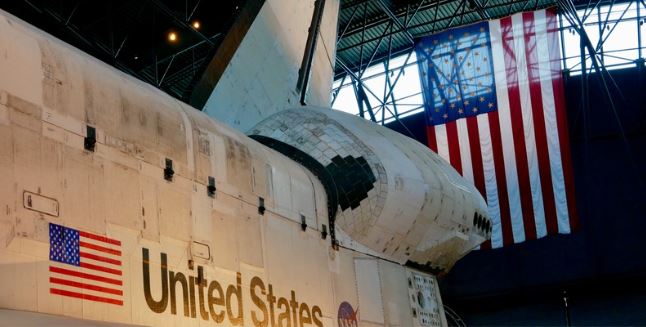
As 2023 came to a close, the U.S. continued to lead the way in space exploration innovation, with December marking a significant uptick in entrepreneurial activity in the sector. A record-breaking $4 billion in funding poured into space startups, setting the stage for the commercialization of technologies in satellite systems, space tourism, and interplanetary research. This surge of interest and investment signals a growing shift from government-led exploration to private sector-driven advancements in space, opening up new opportunities for U.S. entrepreneurs to define the future of space exploration.
The Growing Impact of Space Startups
December saw a flurry of activity from space-focused startups, with more companies stepping into the fray to tackle a variety of challenges. These companies are not just enhancing existing technologies but are creating new ones aimed at expanding humanity’s reach into space. Entrepreneurs in the space sector are positioning themselves as key players in developing the next generation of satellite technologies, interplanetary missions, and space tourism ventures. This surge in innovation is expected to continue in the coming years, as more startups aim to tackle the complexities of space travel and exploration.
Satellite Technologies: Revolutionizing Communication and Data
One of the most significant areas of development in space exploration is satellite technology. Space startups are making impressive strides in developing smaller, more efficient satellites that promise to revolutionize communication, Earth observation, and data collection. Companies are working on satellite constellations designed to offer global internet coverage, which would dramatically improve connectivity in remote and underserved areas around the world.
Startups are also focusing on miniaturizing satellites, reducing the cost of launching them, and making them more efficient for a wide range of applications, from environmental monitoring to defense. The U.S. entrepreneurial ecosystem is quickly emerging as a leading force in this sector, with many companies securing substantial investments to scale their operations in 2024.
Space Tourism: Bringing the Final Frontier to Earth
While satellite technology leads the charge, another sector seeing rapid growth is space tourism. U.S.-based space tourism startups have made significant advances in developing commercial spaceflights for paying customers, offering a new way for individuals to experience space travel. The idea of space tourism, once thought to be far off, is quickly becoming a reality.
The surge of investment and technological advancements in December is a sign that the industry is moving closer to offering suborbital flights and, eventually, orbital trips for private citizens. The development of reusable spacecraft, which can lower the costs of travel, and the growing interest in unique travel experiences are key factors driving the growth of this sector. The future of space tourism holds great promise, and private companies are rapidly innovating to make space travel more accessible to a wider audience.
NASA Collaborations and Private Space Missions
Another important trend in the space sector is the increased collaboration between private companies and government entities, particularly NASA. These partnerships are essential in advancing both space exploration technologies and research. By working together, NASA and private startups are accelerating the development of critical technologies that will support both scientific missions and commercial ventures.
For instance, in December, several private companies secured contracts with NASA to assist with upcoming lunar exploration missions as part of NASA’s Artemis program. These collaborations allow private companies to contribute to the design and implementation of new systems for human space exploration while benefiting from the expertise and resources of a major governmental agency. The future of space exploration is poised to become increasingly cooperative, with the private sector and government agencies working side by side to push humanity farther into space.
Advancements in Space-Based Communication Systems
The development of space-based communication systems is another area of focus for U.S. entrepreneurs. With the growing demand for faster, more reliable communication networks, startups are focusing on creating space-based solutions that can offer global coverage, faster data transmission, and lower latency. These innovations could prove to be transformative, especially for remote locations on Earth and future space missions.
As these technologies advance, they could help bridge the digital divide by providing affordable, high-speed internet access to areas that have long been underserved. Additionally, these systems could prove crucial for space missions, where traditional communication networks often fall short. As companies continue to improve satellite and space-based communication technology, the U.S. is positioning itself as a leader in global connectivity and interplanetary communication.
U.S. Entrepreneurs: Shaping the Future of Space Exploration
The entrepreneurial boom in space exploration shows no signs of slowing down. In December 2023, U.S. startups were at the forefront of advancements that are reshaping how humanity accesses and explores space. From satellite systems that promise to revolutionize connectivity to private missions aimed at lunar and interplanetary exploration, the commercial sector is beginning to drive much of the momentum in space exploration.
The focus on innovation and commercial viability in space is also paving the way for new technologies and business models. As more entrepreneurs enter the market, the competitive landscape will only spur further advancements, helping humanity extend its reach into the final frontier.
Conclusion: The Future of Space Exploration is Commercial
The end of 2023 saw U.S. entrepreneurs making significant strides in space exploration, with groundbreaking advancements in satellite technology, space tourism, and interplanetary exploration. As private companies continue to innovate and collaborate with government agencies like NASA, the future of space is becoming more commercialized and accessible. These efforts will help shape the next era of space exploration, bringing us closer to the stars and making space a place not just for government-led missions but for commercial ventures as well.
Biz Weekly Contributor
Covers business, leadership, and entrepreneurship, highlighting emerging companies and the people behind them.
This article features partner, contributor, or branded content from a third party. Members of the Biz Weekly editorial staff were not involved in the creation of this content. All views and opinions are those of the contributor alone.