U.S. Airports Brace for Record Memorial Day Travel Surge as Consumer Spending Remains Strong
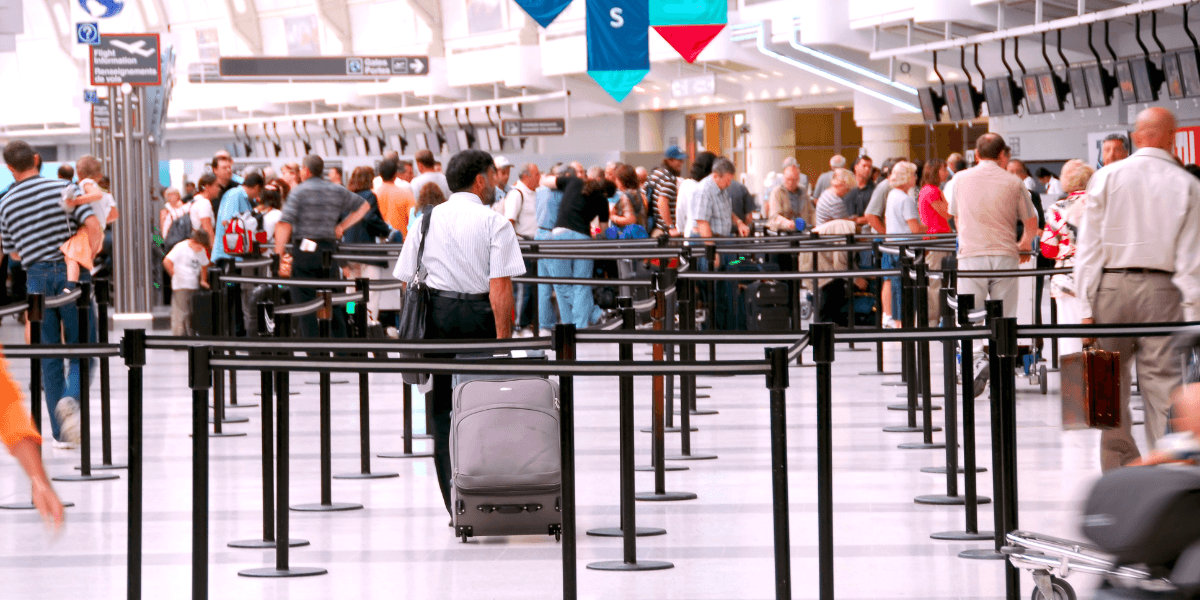
The United States experienced one of its busiest Memorial Day travel weekends on May 24, 2026, as airports, airlines, hotels, and tourism-related businesses reported a sharp increase in consumer activity ahead of the summer season. Industry analysts and transportation officials noted that strong leisure demand, improving airline capacity, and resilient consumer spending contributed to the nationwide travel surge.
According to the Transportation Security Administration (TSA), passenger screening volumes during the Memorial Day period reached some of the highest levels recorded for the holiday weekend in recent years. Major airport hubs including Hartsfield-Jackson Atlanta International Airport, Dallas/Fort Worth International Airport, and Chicago O’Hare International Airport reported elevated passenger traffic throughout the weekend.
Airlines responded by increasing flight schedules and staffing to accommodate demand. Several major U.S. carriers announced expanded domestic routes and additional flights to popular destinations such as Florida, California, Nevada, and coastal resort regions. Industry experts said the sustained demand reflects continued consumer prioritization of travel and experiences despite broader economic concerns earlier in the year.
Hospitality businesses also benefited from the surge. Hotel occupancy rates in major tourism markets climbed significantly compared with the same holiday period last year. Travel analytics firms reported strong bookings in cities known for entertainment, outdoor recreation, and beach tourism. Restaurants, entertainment venues, and retail districts near tourist destinations also saw increased customer activity.
Business analysts view the Memorial Day travel season as an important indicator for the broader U.S. economy because it reflects consumer confidence and discretionary spending patterns. Strong travel demand often supports employment and revenue growth across sectors including aviation, hospitality, transportation, retail, and food services.
Industry observers noted that the 2026 travel season has been supported by improved operational planning among airlines and airports following disruptions experienced in previous years. Many carriers invested in scheduling adjustments, digital customer service tools, and operational resilience measures designed to reduce delays and improve passenger experiences.
Technology also played a growing role in managing travel demand. Airports increasingly deployed biometric screening systems, digital boarding technologies, and mobile travel management applications to streamline operations during peak periods. Travel companies have continued expanding artificial intelligence-driven customer service platforms that assist travelers with booking management, flight updates, and itinerary adjustments.
Economic researchers said consumer demand for travel has remained stronger than expected in 2026, particularly among middle-income and higher-income households. Travel spending has increasingly shifted toward experiences rather than material goods, benefiting tourism and hospitality industries nationwide.
The automotive travel sector also recorded substantial activity during the holiday weekend. Traffic monitoring agencies reported congestion along major interstate corridors as millions of Americans chose road trips for regional vacations and family gatherings. Gas stations, convenience retailers, and quick-service restaurants near highway travel routes experienced increased sales volumes during the weekend.
Meanwhile, cruise operators departing from Florida and Gulf Coast ports reported high occupancy levels as travelers continued showing interest in domestic and Caribbean cruise itineraries. Cruise demand has remained steady as companies expand ship offerings and family-oriented travel packages.
Financial analysts said the travel surge could provide a positive signal for second-quarter economic activity in sectors tied to tourism and consumer services. Publicly traded travel companies, hotel operators, and airline firms have closely monitored summer booking trends as investors evaluate consumer spending strength in 2026.
Small businesses in tourism-dependent regions also benefited from the increase in visitors. Local retailers, tour operators, transportation services, and independent restaurants reported stronger customer traffic during the holiday weekend. Economic development officials in several states emphasized the importance of seasonal tourism revenue for regional economies.
Despite the positive outlook, transportation experts cautioned that operational challenges remain possible during peak summer travel months. Weather disruptions, air traffic congestion, and staffing pressures continue to pose risks for airlines and airports during high-demand periods. Federal aviation officials encouraged travelers to plan ahead, arrive early at airports, and monitor travel updates closely.
Environmental and infrastructure discussions also resurfaced as travel volumes increased. Industry groups and policymakers continue evaluating long-term investments in airport modernization, sustainable aviation technologies, and transportation infrastructure improvements to support future growth in passenger demand.
For businesses, the Memorial Day travel boom highlights broader trends shaping the U.S. consumer economy in 2026. Leisure spending remains a major economic driver, while technology adoption continues transforming customer experiences across transportation and hospitality industries. Analysts expect the summer travel season to remain an important measure of consumer confidence and economic resilience over the coming months.
The strong holiday performance also reinforced the growing connection between travel, technology, and business innovation. Companies operating in aviation, hospitality, retail, and digital services are expected to continue investing in customer-focused technologies and operational efficiency as competition for travelers intensifies.
As Memorial Day weekend concludes, industry leaders will closely monitor whether elevated travel demand continues throughout the summer. Early indicators suggest that Americans remain willing to prioritize vacations, entertainment, and shared experiences, providing momentum for multiple sectors across the U.S. economy.
Biz Weekly Contributor
Covers business, leadership, and entrepreneurship, highlighting emerging companies and the people behind them.
This article features partner, contributor, or branded content from a third party. Members of the Biz Weekly editorial staff were not involved in the creation of this content. All views and opinions are those of the contributor alone.