Federal Reserve Raises Rates to 4.50–4.75% on February 1, Signals Continued Tightening
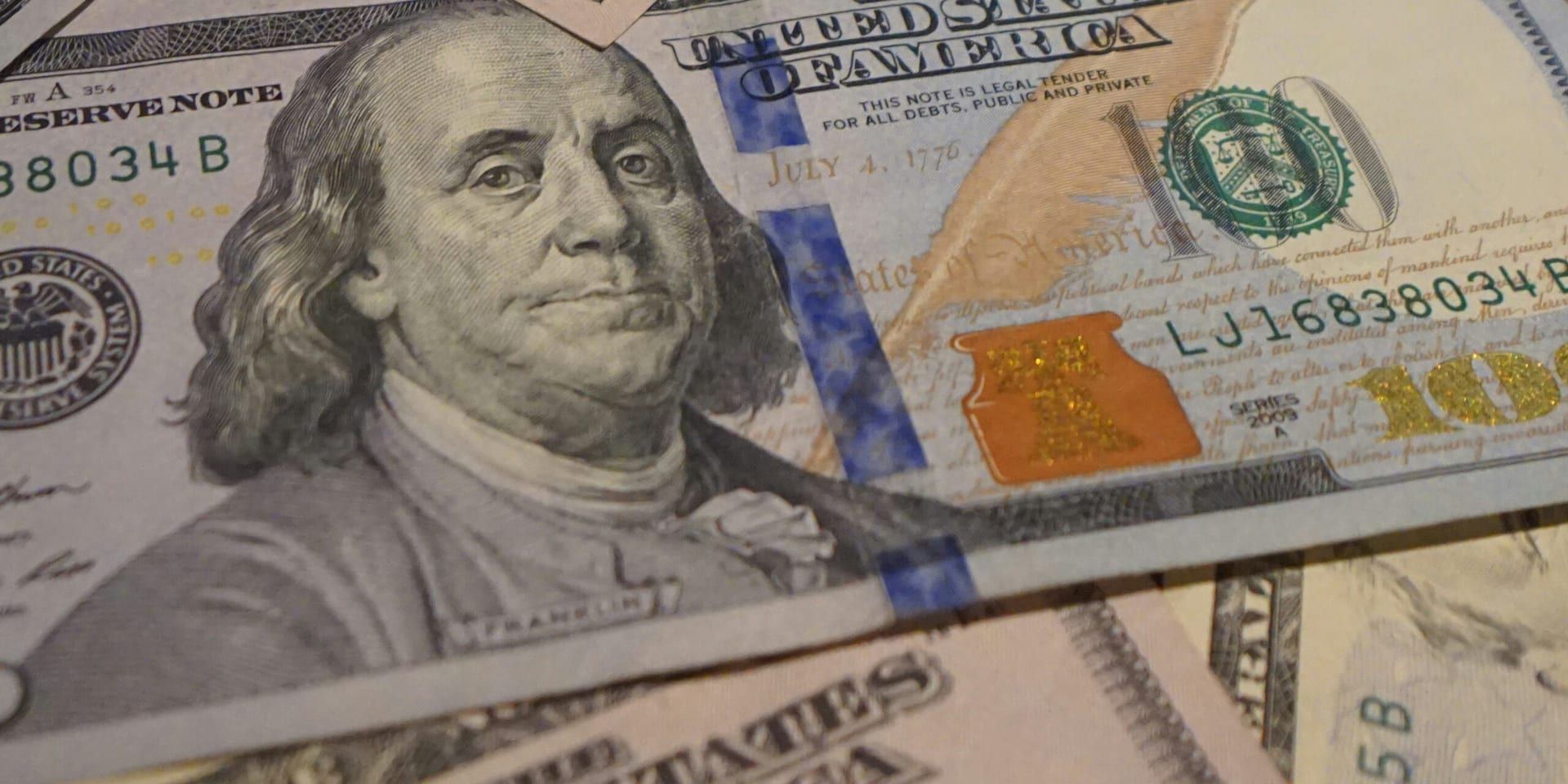
On February 1, 2025, the Federal Reserve’s Federal Open Market Committee (FOMC) raised its benchmark federal funds rate by 25 basis points, adjusting the target range to 4.50–4.75%. This marks a cautious continuation of restrictive monetary policy amid persisting inflationary pressures and an ongoing surge in global trade tensions.
In a statement released alongside the rate decision, the Fed said that economic growth remains solid, the labor market is strong, but inflation continues to run above its 2 percent objective. Consistent with this observation, Chair Jerome Powell and his colleagues warned markets that additional rate hikes might be warranted until inflation shows a sustained downward trajectory .
Inflation data released shortly afterward reinforced that message: January’s Consumer Price Index came in hotter than expected, shaking investor confidence and casting doubt on an early pivot to rate cuts. The stronger-than-anticipated reading led bond yields to climb and equity markets to dip, as analysts scaled back forecasts for imminent rate reductions.
The persistence of inflation is being traced to a mix of factors. Supply chain bottlenecks, rising wages, and an uptick in tariff-driven costs are all contributing to ongoing price pressures. Federal Reserve Bank of New York President John Williams noted that new trade tariffs are “only just starting to surface,” projecting that tariffs could add about 1 percentage point to inflation in late 2025. In tandem, February’s PCE inflation data showed core inflation lingering near 2.8 percent, well above the Fed’s long-run goal.
Fed officials have signaled that rate cuts, once expected as early as March or May, are now unlikely before summer. A Reuters poll of economists confirmed this shift, with most respondents predicting the first cut would arrive only in the next quarter—and only if inflation trends cooperate .
Debate within the Fed reveals a cautious consensus. Some officials, like Governor Adriana Kugler, argue the central bank should maintain its policy stance until tariff inflation fully subsides. Powell has underscored the risks of easing too quickly, given lingering overheating in certain sectors. Meanwhile, former Fed economists suggest Powell faces a nearly unprecedented challenge—balancing dual goals in an inflationary context worsened by tariffs.
Still, long-range inflation expectations appear well-anchored. Market indicators, such as the 10-year Treasury breakeven rate, have steadied closer to the Fed’s 2 percent target, reinforcing confidence that long-term inflation will remain manageable, even amid short-term price spikes.
Economic growth is projected to slow in the months ahead, with Williams cautioning that GDP growth may slow to around 1 percent and unemployment may climb from 4.1 percent toward 4.5 percent by year-end. Goldman Sachs and others have warned of mounting pressures that could induce stagflation—stagnant growth combined with persistent inflation—if consumer spending weakens further.
Analysts are now watching key economic data—from CPI and PCE inflation reports to labor market indicators—to discern whether the February rate hike will be the last of the tightening cycle. As of mid-February, markets reflected minimal probability of cuts before May or June, with some even pricing in a remote chance of another hike should tariffs continue to fuel inflation .
The Fed’s messaging has shifted notably from its December 2024 Summary of Economic Projections, which included plans for multiple rate cuts in 2025. That outlook has been pared back, with some officials now signaling only two cuts—or even none—if inflation remains resilient.
Markets have reacted accordingly. Treasury yields, especially the 10-year note, have persisted at elevated levels, reflecting sticky inflation expectations and limited confidence in rate reductions this year . Meanwhile, equities have reflected caution amid mounting economic uncertainty.
Though President Donald Trump has renewed public calls for immediate rate cuts, arguing they would support growth, analysts and Fed officials alike have reaffirmed the institution’s independence in policy-making . Legal and market analysis suggests political pressure has yet to sway the Fed’s commitment to data-driven decisions .
In summary, the Fed’s February 1 decision to lift rates to 4.50–4.75 percent underscores its determination to combat persistent inflation. With tighter monetary policy expected to remain in place at least through mid‑2025, financial markets and the public must brace for slower economic growth and cautious shifts in future rate policy. The central bank’s priority remains using its full toolkit to ensure inflation returns sustainably to its 2 percent target before easing its stance.
Amid this highly dynamic landscape, investors and consumers alike are watching upcoming inflation data, trade developments, and labor market signals. These will be the linchpins in forecasting when—and whether—the Fed will pivot from tightening to easing.
Biz Weekly Contributor
Covers finance, markets, and executive leadership, turning balance-sheet detail into plain business sense.
This article features partner, contributor, or branded content from a third party. Members of the Biz Weekly editorial staff were not involved in the creation of this content. All views and opinions are those of the contributor alone.