Federal Reserve Minutes Give Businesses a Fresh Look at Inflation and Borrowing Conditions
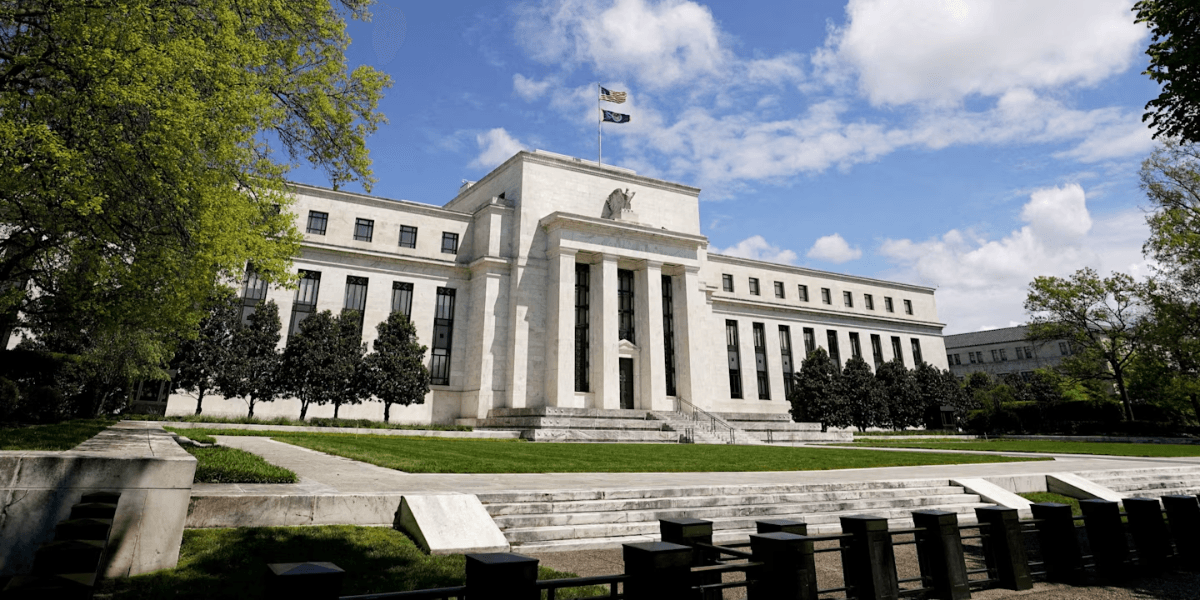
The Federal Reserve's September meeting minutes offer businesses insights into inflation, borrowing costs, and economic conditions shaping financial planning.
The Federal Reserve released the minutes of its September policy meeting, providing executives, lenders and financial planners with a fuller account of policymakers' discussions about inflation, employment and the direction of the U.S. economy.
Monetary Policy in the Business Environment
The Federal Open Market Committee's minutes provide a detailed record of the issues discussed during its September meeting. Released on October 7, the document gives businesses additional context for understanding the central bank's assessment of economic conditions.
The Federal Reserve's monetary policy responsibilities include promoting maximum employment and stable prices. Its decisions affect financial conditions throughout the economy, influencing borrowing costs, credit availability and the financial calculations behind corporate expansion.
For companies planning investments, the distinction between an announced policy decision and the reasoning behind it is important. Meeting minutes explain policymakers' assessments, but they do not guarantee a particular outcome at the next meeting.
How Interest Rates Affect Corporate Decisions
Borrowing costs influence a company's ability to finance equipment, facilities, inventory and acquisitions. They can also affect the expense of refinancing existing debt.
Businesses with substantial financing needs may examine interest-rate exposure when evaluating new projects. A company considering a new facility, for example, must weigh financing costs against anticipated demand, operating expenses and the time required to generate revenue.
Higher borrowing costs can make some projects less attractive. Lower costs can improve financing conditions, although businesses still need to consider market demand, competitive pressures and execution risks.
The effect differs across industries. Capital-intensive companies may have different financing needs from service businesses, while retailers and consumer-facing companies may be affected indirectly through changes in household borrowing and spending.
Inflation Remains a Business Planning Concern
Inflation influences more than consumer prices. It can affect wages, transportation, energy, materials and supplier contracts, changing the cost of operating a business.
Companies facing rising expenses must determine whether to absorb the additional costs, improve efficiency, negotiate with suppliers or adjust prices. Each option carries potential consequences for profitability and customer demand.
The Federal Reserve's assessment of inflation matters because monetary policy can influence overall demand and financial conditions. However, interest-rate policy cannot directly resolve every source of price pressure, particularly when costs are affected by supply disruptions or changes in specific commodity markets.
For corporate finance teams, the meeting minutes offer context for assessing these risks rather than a substitute for company-level analysis.
The Value of Scenario Planning
Financial planning is more robust when businesses evaluate multiple possible economic conditions instead of relying on one forecast.
Companies can examine how different borrowing costs would affect debt servicing, capital expenditure and cash flow. They can also assess whether slower consumer spending would change sales expectations or require adjustments to inventory and staffing.
The degree of exposure depends on each company's balance sheet and operating model. Businesses with fixed-rate financing may face a different immediate impact from those whose debt costs adjust with market rates.
Executives can also monitor official inflation, employment and economic activity data to assess whether conditions are changing in ways that affect their plans.
Reading the Minutes Carefully
Meeting minutes record deliberations among policymakers who may differ in their assessments of economic risks. They are not a commitment to raise or reduce rates at a future meeting.
Economic information released after a policy meeting can alter the outlook. Consequently, companies should distinguish between confirmed policy decisions, participants' views and market expectations about what might happen next.
The Federal Reserve's published calendar listed another policy meeting for October 27–28. That meeting was the next scheduled opportunity for the committee to evaluate the economic outlook and determine an appropriate policy stance.
Implications for Business Leaders
The October release offered business leaders an additional source of information for understanding the forces influencing financing conditions. It did not remove uncertainty, but it provided more detail about the considerations behind monetary-policy deliberations.
For finance teams, the practical response is to review financing exposure, test budgets against alternative interest-rate scenarios and monitor economic data as it becomes available.
For executives, the minutes reinforce the importance of connecting macroeconomic information to the company's actual circumstances. The effect of monetary policy depends on industry, customer behavior, debt structure and operating costs.
A careful reading of the Federal Reserve's communications can support better-informed planning, provided that businesses treat the document as evidence about policymakers' thinking rather than a definitive forecast of future decisions.
Biz Weekly Contributor
Covers finance, markets, and executive leadership, turning balance-sheet detail into plain business sense.
This article features partner, contributor, or branded content from a third party. Members of the Biz Weekly editorial staff were not involved in the creation of this content. All views and opinions are those of the contributor alone.