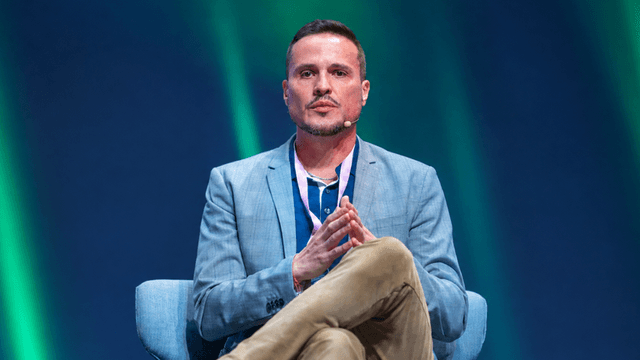
Emotional Intelligence Takes Center Stage in Leadership

February 16, 2022, marked a critical turning point in leadership development, as emotional intelligence (EI) emerged as a pivotal trait for successful leadership in a rapidly changing work environment. As organizations faced the ongoing challenges of remote work, employee burnout, and widespread uncertainty due to global events, the need for leaders who could effectively manage emotions—both their own and those of their teams—became undeniable. Leaders who demonstrated empathy, emotional regulation, and a deep understanding of their teams’ needs experienced higher engagement, productivity, and overall team cohesion.
The Rise of Emotional Intelligence in Leadership
The COVID-19 pandemic dramatically altered the way organizations functioned, pushing many companies to transition to remote or hybrid work models. While this shift helped businesses continue operating, it also introduced new challenges, such as maintaining employee motivation, navigating uncertainty, and ensuring mental health support. At the same time, leaders were tasked with staying connected to their teams while managing these unprecedented pressures.
In this context, emotional intelligence quickly became recognized as a crucial leadership skill. Emotional intelligence—defined as the ability to identify, understand, and manage emotions—allowed leaders to build stronger, more supportive relationships with their employees. It consists of five core components: self-awareness, self-regulation, motivation, empathy, and social skills. These qualities enabled leaders to not only manage their own emotions but also recognize and address the emotional needs of their teams, which was particularly important during such turbulent times.
A Direct Link to Employee Engagement
One of the most noticeable benefits of emotional intelligence in leadership was its positive impact on employee engagement and satisfaction. Leaders who demonstrated a high level of EI saw a marked improvement in team cohesion and trust. This was crucial, especially as employees faced a range of challenges—whether managing work-life balance in remote settings, dealing with isolation, or coping with the ongoing uncertainty of the pandemic.
Leaders who displayed empathy, understanding, and a willingness to listen to their teams were able to foster an environment where employees felt valued and supported. This sense of trust and support led to a more engaged workforce. In turn, employees were more likely to invest their energy and creativity into their work, contributing to overall organizational success.
Notably, research revealed that EI-driven leaders were more likely to achieve a 30% higher employee satisfaction rate. This correlation underscored the importance of emotional intelligence in promoting a thriving work environment. By recognizing the importance of their team members’ emotional well-being, these leaders were able to boost morale and create a work culture that supported not only professional but personal growth.
The Growing Focus on EI Training
As companies increasingly recognized the value of emotional intelligence, many began to prioritize EI training and development for their leadership teams. While some leaders may possess an innate ability to empathize and manage emotions, emotional intelligence is a skill that can be developed and refined. This led to an increased investment in training programs aimed at enhancing leaders’ emotional intelligence.
Workshops, coaching sessions, and leadership development programs focused on emotional intelligence became an essential part of organizational strategies for growth. These training sessions emphasized the importance of self-awareness, helping leaders to recognize their emotional triggers and how these could impact their decision-making, communication, and interactions with their teams. Leaders also honed their ability to regulate their emotions, ensuring they remained composed and thoughtful in high-pressure situations.
Moreover, the emphasis on EI extended beyond traditional leadership structures. Managers at all levels were encouraged to adopt emotionally intelligent practices to create a more collaborative and empathetic workplace culture. In virtual and hybrid settings, where nonverbal cues are harder to read, EI became even more critical. Leaders with high EI were able to use digital tools to effectively communicate and maintain emotional connections with their teams, even when working remotely.
Navigating the Future with Emotional Intelligence
The focus on emotional intelligence in leadership signaled a long-term shift in how organizations approached leadership development. As the world continues to face challenges—whether economic, social, or environmental—the ability of leaders to navigate uncertainty with emotional awareness and resilience will remain crucial. Emotional intelligence provides leaders with the tools to stay adaptable, make thoughtful decisions, and provide much-needed support to their teams during difficult times.
Looking ahead, the benefits of emotional intelligence will continue to be felt in organizations worldwide. Companies that prioritize EI training for their leaders will likely see greater success in employee retention, engagement, and overall productivity. More importantly, these organizations will build a culture that is not only more resilient but one that thrives through empathy, understanding, and emotional connection.
Conclusion
February 16, 2022, marked a pivotal moment in leadership development as emotional intelligence became an essential skill for leaders navigating the complexities of a rapidly changing world. Leaders who could demonstrate empathy, emotional regulation, and self-awareness became better equipped to manage their teams, foster engagement, and drive productivity. As emotional intelligence continues to take center stage in leadership, organizations that prioritize its development will be better positioned to adapt to future challenges and lead with compassion and effectiveness.
The growing emphasis on EI in leadership shows that successful leadership in today’s world isn’t just about technical expertise or business acumen—it’s about understanding and connecting with people on a deeper, emotional level.
Biz Weekly Contributor
Covers finance, markets, and executive leadership, turning balance-sheet detail into plain business sense.
This article features partner, contributor, or branded content from a third party. Members of the Biz Weekly editorial staff were not involved in the creation of this content. All views and opinions are those of the contributor alone.