Americans Accelerate Holiday Travel Plans Amid Shifting Habits and Stable Airfares
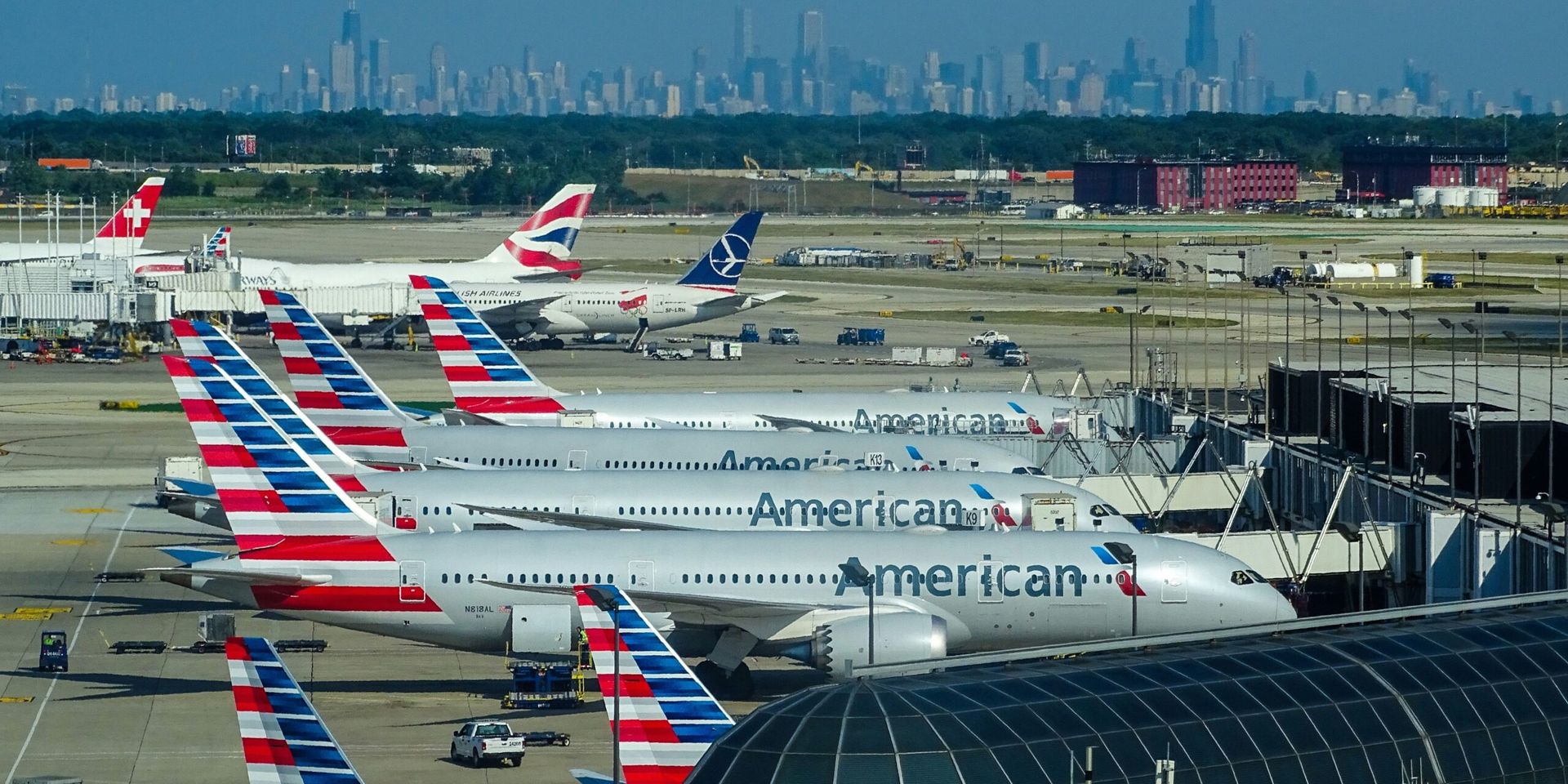
In a noticeable shift from previous years, American travelers are increasingly booking their holiday travel plans earlier, signaling evolving preferences shaped by post-pandemic work flexibility, rising demand for unique domestic experiences, and a cautious but steady economic outlook. As of late October 2025, data from several travel-service firms suggests that more U.S. consumers are finalizing their itineraries for Thanksgiving and the winter holidays weeks earlier than they traditionally would.
This trend toward early booking is driven in part by changes in the way Americans live and work. With remote and hybrid job arrangements now widely normalized, many travelers find themselves less bound to rigid office calendars. This newfound flexibility allows families and individuals to plan vacations during off-peak periods or to extend trips across traditional workweeks without sacrificing productivity. The result is a travel landscape that is less compressed into the usual holiday weeks and more evenly distributed across November and December.
According to travel industry analytics, the average consumer is now searching for holiday airfare approximately two weeks earlier than they did in 2024. Flight booking patterns show increased activity for domestic destinations, particularly for leisure-heavy regions such as the Rocky Mountains, the beaches of Florida, and the national parks of the American Southwest. These areas have emerged as clear favorites, reflecting a broader cultural shift away from international tourism and toward immersive, close-to-home travel that offers both recreation and rest.
Interestingly, the rise in early bookings comes at a time when airfares have remained relatively stable compared to last year. For many travelers, this is a welcome change. While inflation and fuel prices continue to fluctuate, domestic airline fares for peak holiday windows have seen only modest increases—approximately 7 to 10 percent for the Thanksgiving and Christmas periods. This relative price steadiness, combined with growing consumer awareness of fluctuating fare algorithms, appears to be motivating travelers to secure seats early rather than gamble on last-minute deals.
The increasing popularity of early planning may also reflect a psychological shift in travel priorities. Many Americans now emphasize experiences over possessions, and there is a growing understanding that premium accommodations and ideal travel dates are limited commodities. With more people valuing memory-making over material gifts, holiday travel is no longer a last-minute luxury but a carefully curated part of seasonal traditions. Booking early ensures better access to high-demand options such as ski-in, ski-out resorts, oceanfront rentals, or eco-lodges near protected natural areas.
For the travel industry, this evolving behavior requires a recalibration of how and when to engage customers. Airlines, hotel chains, and tourism operators are being advised to shift their marketing strategies forward—focusing on late summer and early fall campaigns to capture the attention of planners rather than relying solely on November promotions. Those who adapt to this change by offering flexible cancellation policies, loyalty rewards, and early-bird incentives may be better positioned to meet consumer demand.
However, several factors could still shape how the 2025 holiday travel season ultimately unfolds. While airfare has remained relatively stable thus far, potential volatility in fuel prices and lodging rates could affect final costs for travelers. In particular, last-minute surges in accommodation demand may drive up hotel and rental prices, especially in smaller or remote destinations with limited inventory. Moreover, overall economic confidence remains a wildcard. Should job markets tighten or consumer spending contract, some travelers may scale back their plans even after booking.
Another dimension influencing early travel planning is the type of destination being favored. With ongoing geopolitical concerns and lingering uncertainties around global health, many Americans have opted to forgo international travel in favor of domestic “coolcations”—trips that emphasize natural beauty, outdoor activity, and relaxation. This shift also reflects a preference for control and convenience, as domestic travel allows greater flexibility and fewer logistical hurdles than overseas trips.
Ultimately, the early surge in holiday bookings illustrates how American travel behavior continues to evolve in response to broader societal changes. Work-life balance, the rising value of experiences, and a more proactive approach to securing travel arrangements are redefining how people engage with seasonal travel. While the full impact of this shift will become clearer as the holidays approach, the current indicators point to a holiday season that is not only busier, but more deliberately planned than in recent memory.
As airlines, hospitality providers, and destination marketers respond to these emerging patterns, the winners will likely be those who embrace early engagement, transparent pricing, and adaptable offerings. For travelers, the message is equally clear: with rising demand and limited premium inventory, planning ahead is more than just savvy—it’s essential.
Read Also: https://bizweekly.com/u-s-travel-bookings-bounce-back-raising-optimism-for-summer-revenue/
Biz Weekly Contributor
Covers finance, markets, and executive leadership, turning balance-sheet detail into plain business sense.
This article features partner, contributor, or branded content from a third party. Members of the Biz Weekly editorial staff were not involved in the creation of this content. All views and opinions are those of the contributor alone.